



How Energy Costs and Regulations Are Affecting the Greenhouse Market
 June 17, 2025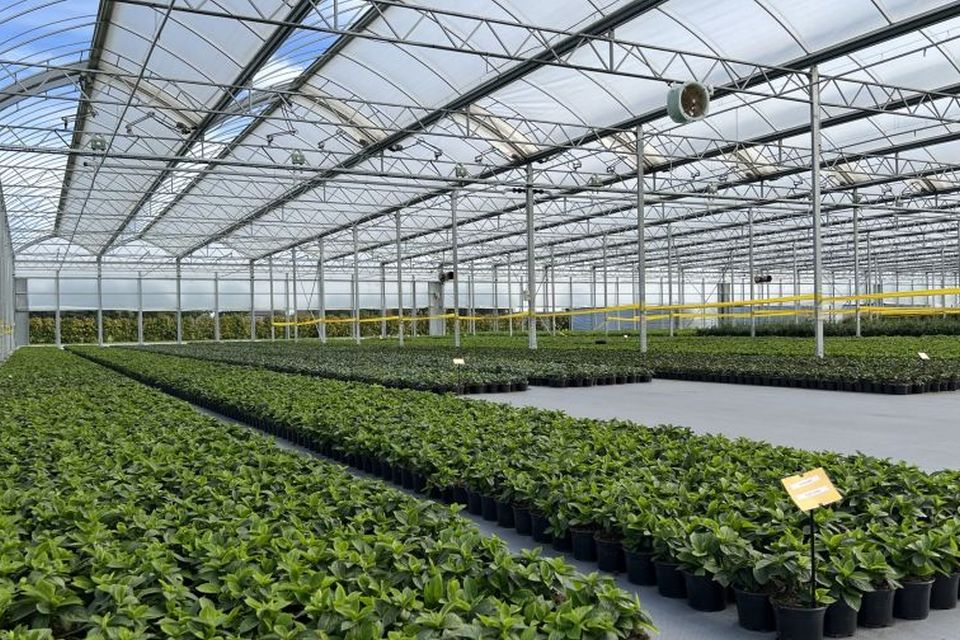
Photo: Atlas Greenhouse
Greenhouse manufacturers and component suppliers face many of the same challenges — and opportunities — as growers. From economic pressures to shifting market demands, the forces shaping production also influence those designing and building the structures that support it.
We reached out to members of the National Greenhouse Manufacturers Association (NGMA) to get their perspectives on key industry issues — from the impact of tariffs on long-term planning to how supplier partnerships can create added value for growers. Here’s Part 3, which offers perspectives on how energy costs and other regulatory issues are affecting both growers and suppliers..
Stay tuned for Parts 4, 5, 6, and 7, and catch up with Part 1 and Part 2 if you missed them.
Mark Davis, CEO of Atlas Greenhouse: “Energy costs will continue to increase, and the new energy codes will present challenges for new construction. Compliance is achievable but it will result in increased building costs for growers.”
Dave Stoltzfus, President of Advancing Alternatives: “Energy costs are what they are. Tariffs will be a huge issue for importing containers, soil, and other key components for growing plants. Regulatory issues are a huge challenge, and we see that burden growing every year. As a controls and UL panel shop, we see increasing regulatory challenges as zoning and code officials are increasing their reach into the farming industries.”
Tim Lauer, Vice President and Production Manager at Albert J. Lauer: “NGMA is constantly watching the codes and regulations (especially those in the West) that will continue to create change and regulation that we will need to adapt to. The effect to the market can be most simply distilled, in most cases, to increased cost to facilities.”
Argus Controls: “Regulatory issues such as conservation regulatory issues are a benefit for automation; however, trade regulatory issues are causing delays and pauses which impact the supply chain and cash flow.”
Duane Van Alstine, Customer Solutions Manager at GGS Structures: “Energy costs are the second-highest costs after labor in the greenhouse industry. GGS has opted to see this as an opportunity and offers energy and labor-saving solutions that are opening new doors in the industry. For example, a partner in lighting is offering an energy-efficient fixture that qualifies for extra government subsidies in specific locations, and we are also partnered with a company that uses AI to identify when it is not necessary to provide supplemental light to plants — a great energy savings opportunity.”
Paul Golden, Director of Sales–Commercial Growing at Prospiant: “Building and energy code requirements and unclear interpretations of the definition and usage for greenhouses are challenges to permitting/new builds for retailers. Ultimately, the California Building Code changes will greatly reduce the ability for wholesalers to expand due to cost increases driven by greenhouse glazing requirements.”
Matt Bonavita, Vice President of Sales at Sollum Technologies: “As energy costs climb and sustainability regulations become stricter, growers are increasingly seeking ways to improve efficiency. That’s where Sollum’s dynamic spectrum control and automation come into play. We help growers reduce energy consumption without compromising performance. Furthermore, many of our customers are leveraging rebate programs, for which we can provide support, making the switch to LED lighting easier and even more appealing.”
Patricia Dean, CEO of Wadsworth Control Systems: “High energy costs are pushing growers to invest in better controls, energy curtains, and automation solutions to reduce heating and cooling expenses. We’re seeing increasing demand for integrated systems that help growers monitor and manage energy usage precisely. Regulatory pressures around labor and environmental impact are also accelerating the adoption of automation and sustainable technologies.”
Subscribe to eNewsletter