



European Substrate Manufacturers Offer Ominous Raw Materials Outlook
 September 30, 2025
 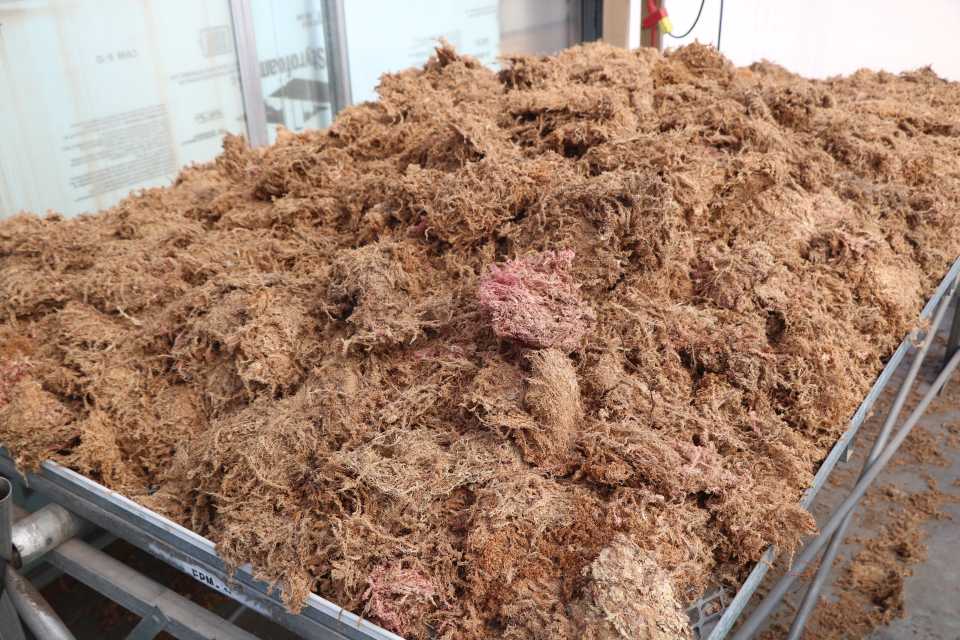 The availability of key raw materials such as peat and coir (coconut fiber) for the Western European substrate market is at a historic low, according to a report from the German Horticultural Industry Association (IVG). The main causes are poor weather in the peat and coir production areas. In addition, the rapidly growing global demand for these raw materials, particularly from Asia, is also reducing their availability for Western Europe. These developments pose significant challenges for the Dutch substrate market in the coming year.
Peat Production Remains Weak
Due to the poor weather with heavy rainfall in the Baltic States, Finland, and Sweden between May and July 2025, peat production is stuck at a harvest rate of between 40 and 50%. White peat production presents the greatest challenge, with a harvest rate of between 25 and 35%.
For Dutch substrate companies, the Baltic States, Finland, and Sweden are the most important peat production areas. Peat production must take place during the summer months when the weather is dry. With an annual consumption of approximately 4 million cubic meters of peat, out of a substrate production of 7.5 million cubic meters, peat is by far the most commonly used raw material in the Netherlands.
Coconut Coir
With an annual volume of approximately 1.1 million cubic meters, coco is the second-most popular raw material for potting soil. Here too, the unpredictability of the rainy season presents challenges in production and availability.
Other Raw Materials
In addition to the more limited availability of important raw materials such as coco and peat, the demand for renewable raw materials such as bark, wood fiber, and compost is also increasing. The available volumes of sufficient quality of other new renewable raw materials (cultivated plant fibers, etc.) are, however, still limited in the short term and these cannot replace the volumes of peat.
With the 2022 agreement “Environmental Impact of Potting Soil and Substrates,” the Dutch substrate industry, comprising 15 partners, is committed to reducing the environmental impact of substrates by increasing the use of local renewable resources and responsibly produced peat. The agreement sets out specific goals for this. The Dutch substrate industry will continue to focus on this, as these resources will become an increasingly important part of the future supply chain.
Substrates are essential for responsible food production and for green, livable cities. Based on earlier research by Wageningen University, a growth in the demand for substrates of 400% was predicted in 2050 compared to 2020.
Meanwhile, in China, the area of covered cultivation has grown from 700,000 to 3,000,000 hectares in just five years. The enormous demand from China is already having a significant impact on the international raw material market for substrates.
According to the association, “It is therefore necessary for the Dutch and European horticulture and substrate sectors to fundamentally reconsider a (new) strategic position regarding raw materials for substrates. The current global geopolitical climate makes this essential.”
What does the above mean for the substrate market in 2026? The markets for raw materials are currently under great pressure and are partly still unpredictable. Raw materials and other materials are difficult to obtain, sometimes unavailable or only at high prices. Peat production may catch up in the period up to the end of August, although the backlog will certainly not be fully recovered.
“Buyers of potting soil and substrate are advised to consult with their own supplier(s) in a timely manner,” the association noted in its forecast. “This is the only way to ensure that the quantity and quality of the delivered product is guaranteed as much as possible.”
Subscribe to eNewsletter
