




Which Growers Benefit Most from Mycorrhizae?
When I travel to visit growers, I’m often asked whether a particular operation will benefit from the use of mycorrhizal fungi. I typically begin by learning more about their business—asking questions to better understand their customers, crop mix, customer expectations, and production processes.
Since I can’t personally meet with every grower, I thought it would be helpful to provide a general overview of the types of operations that I most often see benefit most from mycorrhizal fungi. See if you identify with one or more of the grower profiles below.
Who Benefits from Mycorrhizal Fungi Use
Grower/Retailers
Grower/retailers are operations that grow some or all of the plants they directly resell to consumers. Depending on size and capabilities, these businesses often purchase seed for short-term, easy crops, while sourcing plugs and liners for most other plants.
Because garden centers are generally stationary, each retailer has a defined geographic footprint from which customers are drawn. The business does not move, making it critical to attract and retain as many customers within that footprint as possible. Success depends on increasing average transaction value, driving repeat visits, and ensuring high customer satisfaction.
Customer success directly impacts profitability, making grower/retailers a key market for mycorrhizal fungi use during production. Mycorrhizal fungi use can result in healthier, stronger plants that hold up better at retail and transplant more successfully for the end consumer.
Check out this article to learn more.
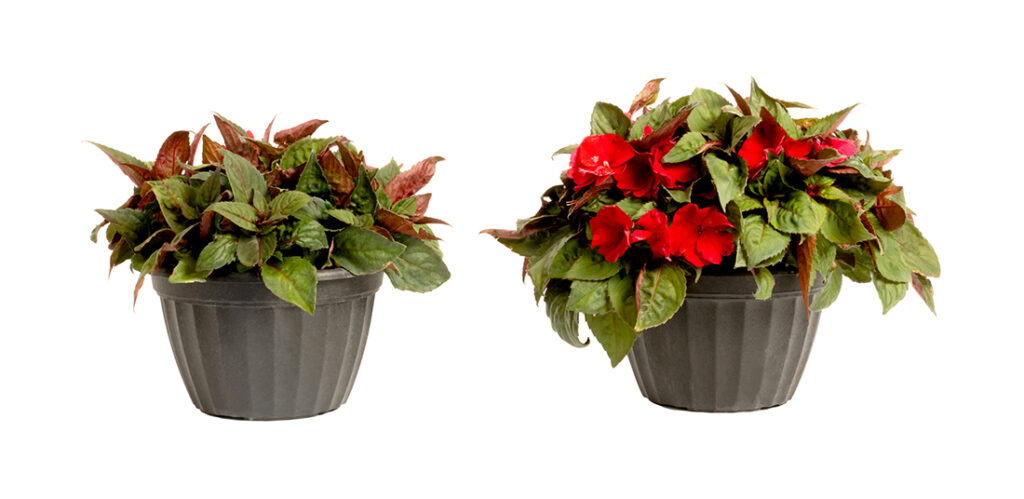
Annual Trial: Left, untreated. Right, treated with MycoApply mycorrhizal fungi.
Long-Term Annual Growers
Long-term annual growers produce crops with a production time of at least eight weeks. This timeframe may include seedling production, plug or liner stages, and finishing.
For growers purchasing plugs or rooted liners, this period begins when the product arrives at the facility and is treated in the propagation tray, continuing through finishing and shipment.
It typically takes about 3-4 weeks for symbiosis between the plant and mycorrhizal fungi to fully establish. Once established, the plant controls the relationship-activating or reducing fungal activity based on its nutrient and water needs. After this initial symbiosis period, benefits often become noticeable over the following 3-4 weeks, particularly when plugs or liners are transplanted into containers with a larger soil volume.
Because long-term annual growers have crops long enough to realize these benefits, they can see improved nutrient use efficiency and increased water use proficiency. The return on investment comes from reduced fertilizer and reduced water inputs, along with associated labor and overhead savings.
Perennial Growers
Perennial growers can realize the same benefits described above. Whether crops are started from seed, vegetative liners (typically 8-10 weeks for a 72-count plug), or bare root material (approximately 4-10 weeks), production timelines are sufficiently long to benefit from mycorrhizal fungi use.
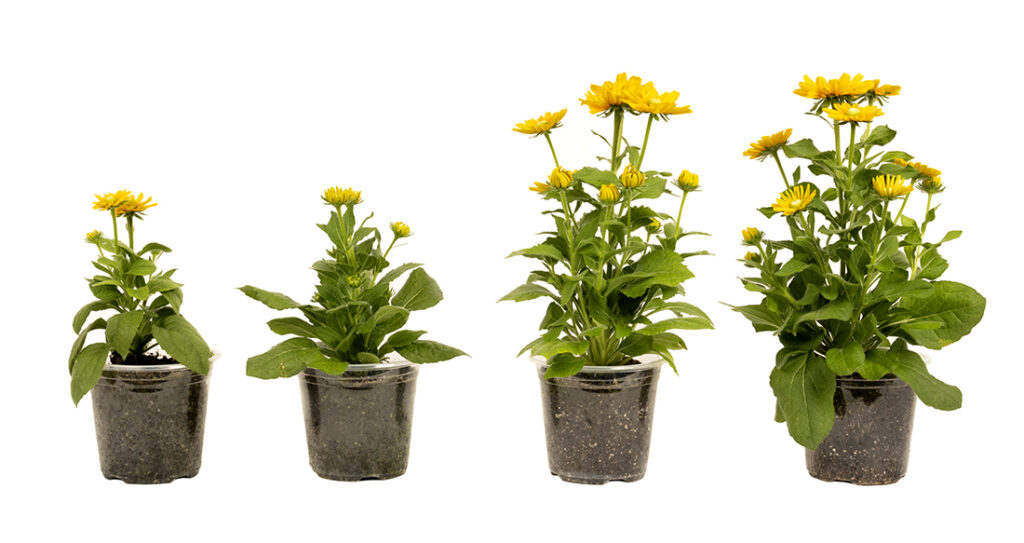
Perennial Trial: Left, Untreated. Right, treated with MycoApply mycorrhizal fungi.
Fall Mum Growers
Fall mum growers are also strong candidates for mycorrhizal fungi. With an average crop time of 10–12 weeks, mums align well with mycorrhizal establishment. Because these crops are often finished outdoors and exposed to multiple abiotic stressors, mycorrhizal fungi can help growers produce a more consistent and successful crop. Check out this article to learn more.
Poinsettia Growers
Poinsettias are another excellent fit. Average crop times of 12-16 weeks provide ample opportunity to benefit from improved nutrient and water use efficiency associated with mycorrhizal fungi. Check out this article to learn more.
Tree and Shrub Growers
Tree and shrub growers can benefit from mycorrhizal fungi regardless of production format.
- Long-term container growers may realize multiple years of savings through improved nutrient and water efficiency.
- Short-term (quick-turn) container growers may purchase smaller plants or bare-root material and pot them into media containing mycorrhizae, or apply a drench after potting, to support rapid growth and quicker sales.
- In-ground tree and shrub growers benefit from long-term mitigation of abiotic stresses, including nutrient and water stress.
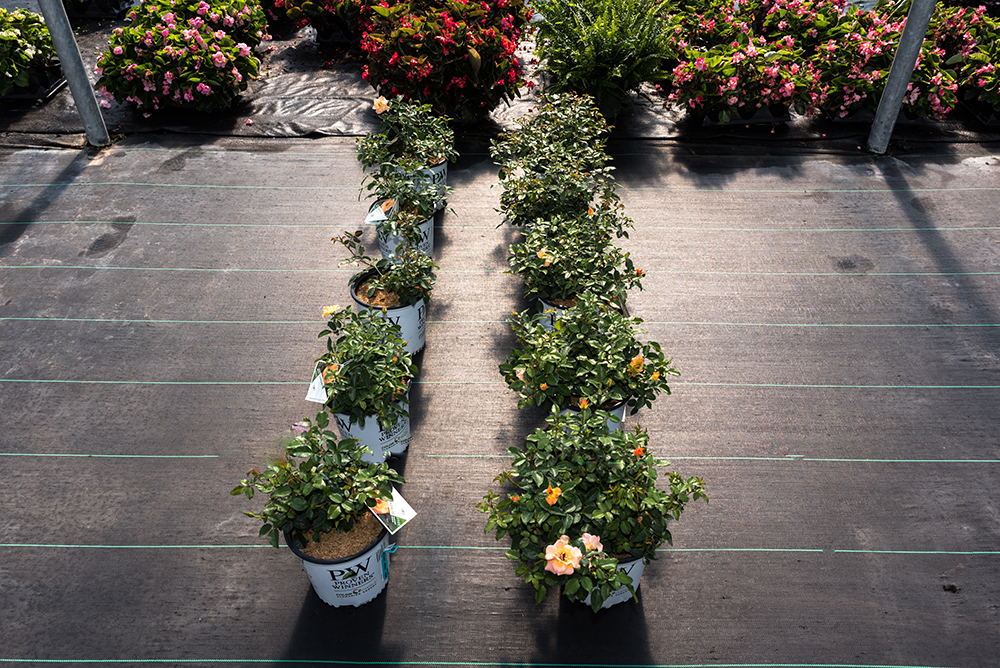
Rose Trial: Left, untreated. Right, treated with MycoApply mycorrhizal fungi
Pay-By-Scan Growers
Pay-by-scan growers benefit when plants look better coming off the truck and hold up longer at retail. Healthier plants can lead to faster sell-through, reduced shrinkage, fewer discounts, greater home gardener success, and fewer returns or credits.
Crop-Yielding Growers
Growers whose profitability is tied to yield can see increased returns when crops produce more—and sooner. Mycorrhizal associations enhance a plant’s ability to manage abiotic stress. Plants experiencing less stress have been shown to yield earlier and more abundantly.
These benefits are most applicable to crops with production timelines longer than eight weeks, including the combined propagation, vegetative, and fruiting stages.
Next Steps
This list is not intended to be exhaustive, but it does include many of the most popular grower types that benefit from mycorrhizal fungi usage. If you identify with one or more of the profiles outlined above, your operation is likely to benefit as well.
Now is a perfect time to purchase your MycoApply® mycorrhizae for Spring 2026. Click here to find a distributor.
If you have questions about anything covered in this article or about MycoApply® products, please contact your local Mycorrhizal Applications representative, call 866-476-7800, or email [email protected].