


How PCR and DNA Sequencing Are Improving Pathogen Diagnosis in Greenhouses
 March 12, 2026
 Accurately identifying plant pathogens remains one of the most important, and sometimes most challenging, aspects of greenhouse production. Many diseases produce similar symptoms, making visual diagnosis unreliable and increasing the risk of misidentification. Root rot, for example, may be caused by Fusarium, Phytophthora, or other pathogens, each requiring different management strategies.
For years, strip-type immunoassay tests have provided growers with a fast and accessible way to screen for specific pathogens. While useful for confirming known threats, these tests have important limitations, particularly as pathogens evolve and new disease pressures emerge.
Newer laboratory-based diagnostic tools, including polymerase chain reaction (PCR) testing and DNA sequencing, allow growers to identify pathogens with far greater sensitivity and accuracy. These methods can detect organisms earlier, distinguish between closely related pathogens, and provide more reliable information to guide management decisions. As these technologies become more accessible, they are giving growers new tools to improve disease diagnosis and reduce production risk.
PCR Testing Provides Earlier and More Reliable Pathogen Detection
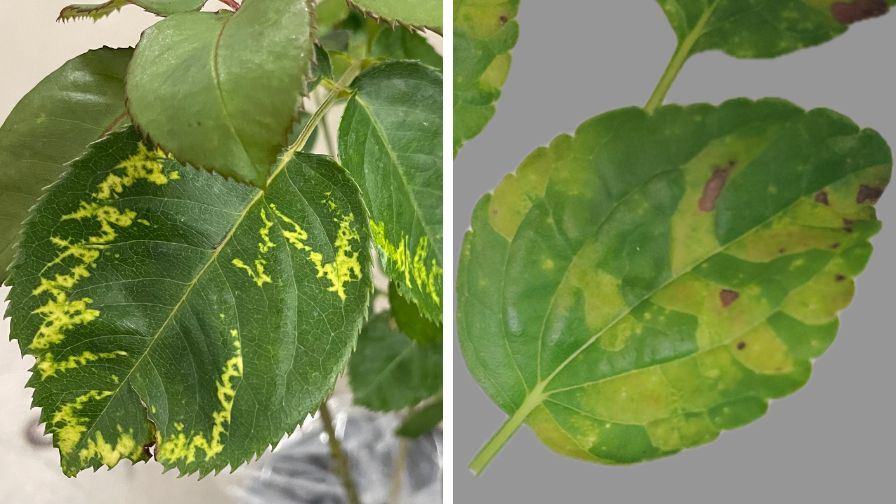
Oakleaf pattern symptoms associated with rose mosaic virus (L) and Salvia greggi with yellow to light green and purple-brown irregular leaf lesions due to downy mildew (R). | Lizzy Blossom LLC.
PCR testing has become one of the most reliable tools for identifying plant pathogens in greenhouse production. Unlike enzyme-linked immunosorbent assay (ELISA) strip tests, which detect specific proteins associated with pathogens, PCR identifies organisms based on their genetic material, allowing for much greater sensitivity and accuracy.
This higher sensitivity allows PCR to detect pathogens at very low levels, including during early stages of infection before symptoms appear. According to Aubry Field, founder of Lizzy Blossom LLC, PCR testing can be 100 to 1,000 times more sensitive than ELISA-based methods and can detect viroids and other pathogens that traditional strip tests may miss.
PCR testing is especially useful when confirming suspected pathogens, screening incoming plant material, or verifying sanitation effectiveness in propagation and production areas. Results are typically available within a few business days, making PCR a practical diagnostic tool for routine disease management.
DNA Sequencing Provides a Complete Picture of Pathogen Presence
While PCR testing is highly effective for detecting specific pathogens, DNA sequencing offers a broader view of the microbial community present in a plant sample. Rather than testing for individual organisms, sequencing can identify hundreds or even thousands of organisms simultaneously, providing a comprehensive picture of the biological environment affecting plant health.
“In our lab, we perform long-read amplicon sequencing to identify all of the bacteria, fungi, protists, oomycetes, algae, insects, and nematodes in a sample,” says Danielle Rose, CEO and co-founder of Ceragen. “We are usually detecting more than 1,000 organisms in every sample.” Sequencing capabilities have also expanded to include viral plant pathogens, further increasing the value of this approach for greenhouse diagnostics.
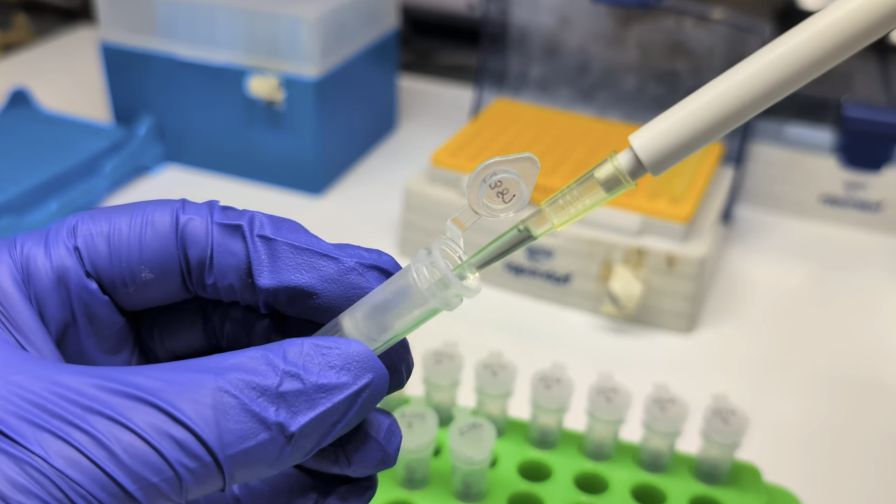
Extracting and purifying a plant DNA sample for pathogen testing. | Ceragen
One of the key advantages of DNA sequencing is its ability to provide context, not just detection. Many organisms, including pathogens such as Fusarium, may be present at low levels without causing disease. PCR testing may confirm their presence, but sequencing helps determine whether those organisms are likely contributing to plant decline.
“With DNA sequencing, we can say, yes, Fusarium is present, but it represents only a small percentage of the community,” Rose explains. “In contrast, if a pathogen like Phytophthora dominates the sample, that provides much clearer evidence of the primary cause of plant loss.”
This broader perspective makes DNA sequencing particularly useful when disease symptoms are unclear, when multiple pathogens may be involved, or when previous testing has not produced definitive answers.
Lab Testing Helps Growers Diagnose Problems Earlier and More Accurately
Lab testing can also help distinguish between biotic and abiotic causes of plant decline. Environmental stressors such as water stress, nutrient imbalances, temperature extremes, and chemical injury often produce symptoms that resemble disease. When testing does not identify a pathogen, growers can focus their troubleshooting efforts on environmental or cultural factors instead of pursuing ineffective disease treatments.
“Abiotic stressors such as water stress, nutrient deficiencies and toxicities, chemical injury, and temperature extremes can all look like viral symptoms,” Field says. “Many diseases have overlapping symptoms, and what appears to be a fungal infection may actually be caused by a virus or another organism entirely, making PCR testing a good tool to help figure out what is really happening in your greenhouse.”
Accurate pathogen identification is especially important when selecting targeted treatments, since visual diagnosis alone is not always reliable.
PCR testing and DNA sequencing can also help avoid misinterpretation of strip-test results, which may detect related organisms but not identify the exact pathogen present.
Field recalls working with a grower who believed tobacco mosaic virus (TMV) was widespread throughout their operation based on strip-test results. After conducting PCR testing, results confirmed that no tobamoviruses were present, preventing unnecessary mitigation efforts and allowing the grower to focus on the actual cause of plant symptoms.
When to Use PCR Testing vs. DNA Sequencing
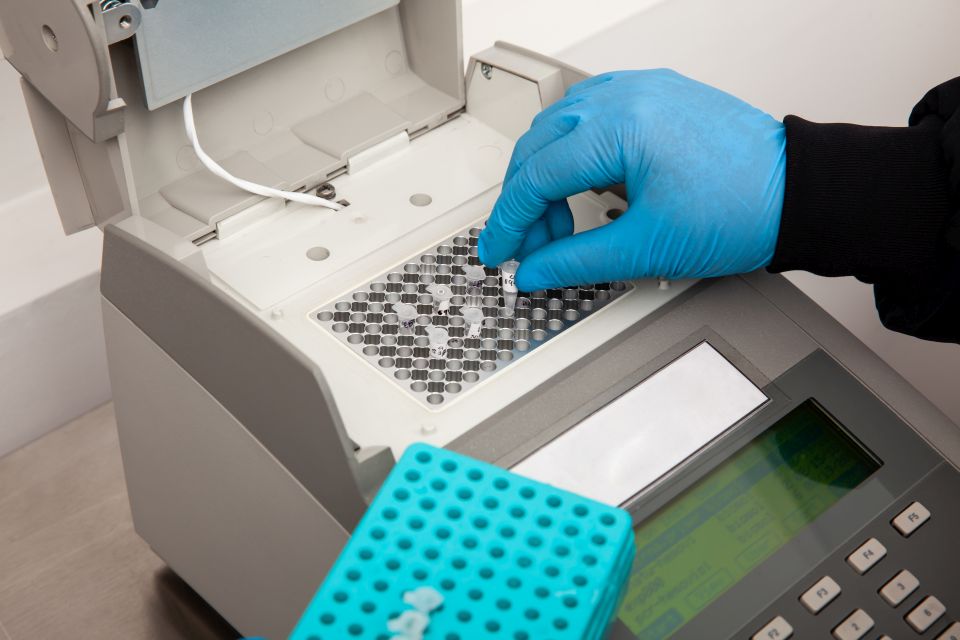
Closeup of a scientist hand while working at the laboratory with a thermal cycler. Polymerase chain reaction technique. | Lizzy Blossom LLC.
Use PCR Testing When:
- You suspect a specific pathogen.
- Screening incoming propagation material.
- Testing asymptomatic plants for known threats.
- Confirming a diagnosis before treatment.
- Verifying sanitation effectiveness.
Best for: Fast, targeted detection and routine screening
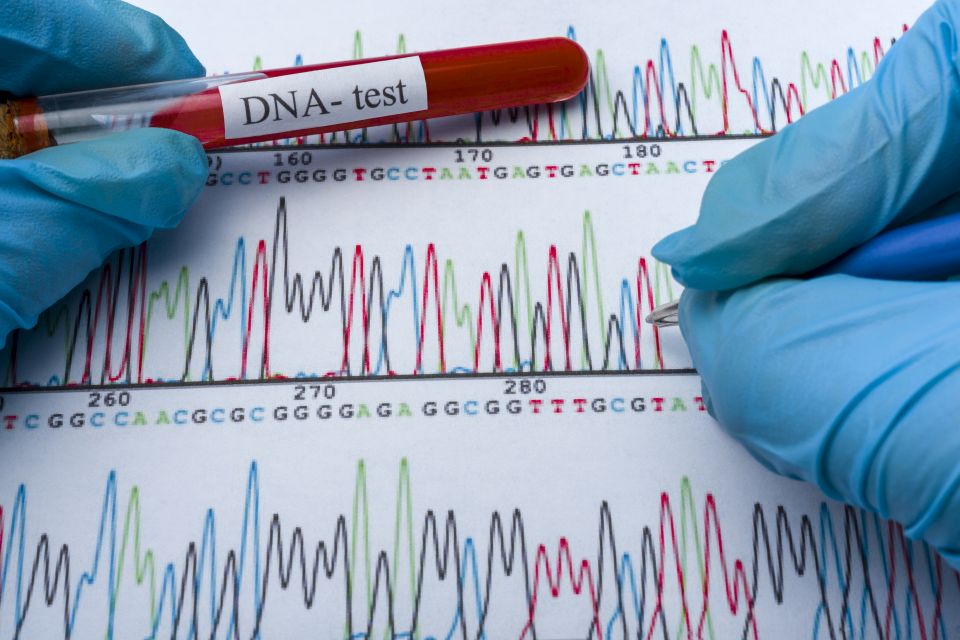
DNA molecule forming inside the vial in for blood analysis. | Lizzy Blossom LLC.
Use DNA Sequencing When:
- The cause of plant decline is unclear.
- Multiple pathogens may be involved.
- Previous testing has been inconclusive.
- You need to identify dominant pathogens.
- Diagnosing complex or unusual symptoms.
Best for: Comprehensive diagnosis and complex troubleshooting
PCR testing provides fast, reliable confirmation of known pathogens, while DNA sequencing offers a broader diagnostic view when problems are difficult to identify.
Subscribe to eNewsletter