



Future-Proofing Lessons from Greenhouses That Recovered After Natural Disasters
 August 29, 2025
 As many as 90% of businesses fail within two years after being struck by a disaster, according to the U.S. Small Business Administration. Greenhouse owners face significant weather-related risks that vary by geography. From wildfires to earthquakes, tornadoes, and flash floods, weather-related risks are becoming more common and damaging due to ongoing climate change — and your best bet is to implement proven steps to help protect your business.
In 2022, Timbuk Farms — one of the oldest and largest Christmas tree farms in central Ohio and now also a full-service garden center — suffered a devastating spring fire that destroyed the company’s greenhouses, spring crops, and offices. Owner Jim Gibson said the damage spanned the length of a football field.
However, Gibson’s quick response, focus on resuming operations, and partnership with his insurer helped get Timbuk Farms up and running again in only eight months with a new, best-in-class retail garden space equipped with new technologies and sustainable features, including LED lighting and a rainwater harvesting system.
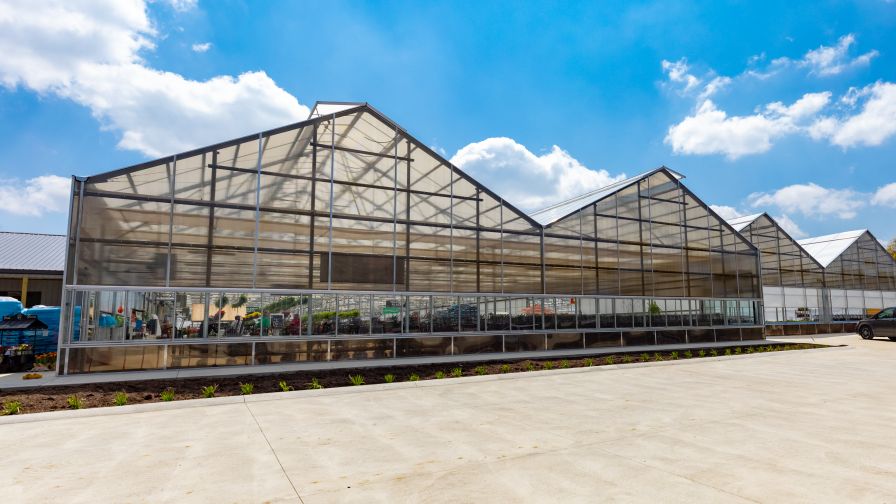
Timbuk Farms’ greenhouses. | Hortica and Timbuk Farms
Recovery is never easy because of the real emotional, operational, and financial strains. But with the lessons learned from Timbuk Farms and other greenhouses that have recovered after a disaster, you can help your employees and business recognize the value of planning, practicing, and revising business continuity and emergency plans, and the importance of understanding your insurance coverages and the claims process.



Common Challenges Businesses Face During Disaster Recovery
In a handful of hours in the middle of the night, Timbuk Farms faced sudden structural damage to buildings, lost crops, ruined equipment, and questions about how to resume operations as quickly as possible. The company faced some of the most common disaster recovery challenges, including:
Operational Disruptions
Disasters can halt operations overnight, as a fire did to Timbuk Farms. Whether it’s a damaged greenhouse, flooded fields, or equipment failure, even a short disruption can throw off or halt seasonal production, cause missed deliveries, and sink retail operations.
Financial Strains
The financial impact of disasters on businesses can be immediate and severe, especially if your insurance coverage isn’t up to date. Inflation, labor shortages, and supply chain delays make repairs more expensive and time-consuming than anticipated. Additionally, extended timeframes for securing building permits are becoming increasingly common as local governments reconsider their building requirements in light of ongoing climate change.
Emotional Tolls
The pressure to protect employees, restore operations, and preserve customer relationships can take a heavy toll on owners and staff. Losing a crop is bad, and losing future crops and customers compounds difficulties. Pressures increase when employees are forced to find alternative work because their wages aren’t covered during recovery.
Key Lessons Learned from Greenhouse Businesses That Recovered
Businesses that bounce back from catastrophe — like Timbuk Farms — often share common themes in how they prepare, respond, and rebuild. Here are important prevention and recovery lessons for businesses from greenhouse operators who’ve successfully recovered:
Manage Risks Starting at the Top
Every effective disaster recovery plan begins with leadership. Leaders must communicate the value of a strong safety culture, model best practices, and ensure preparedness is a companywide priority — not an afterthought.
Regularly Review and Update Your Plans
Risk management, emergency response, and business continuity plans that sit in a drawer won’t help in a crisis. Revisit, update, and revise your plan regularly — at least annually and especially after busy seasons — to identify changes such as new equipment or buildings, or increases to stocked items. Identify gaps, consider new risks, and ensure that key personnel are trained and ready. Talk with your insurance provider, who may have risk management resources to support this work.
Think Beyond Your Property Lines
Greenhouse operators often plan for weather-related damage on-site, but the risk extends far beyond the facility. What if a delivery truck crashes or a key associate has a health emergency while off-site? Your business continuity plan should also consider these scenarios.
Evaluate Insurance Adequacy Before It’s Too Late
Update property valuations regularly and consider business interruption coverage for up to 24 months. With rising construction and material costs, and increasing delays for building permits, many businesses are unknowingly exposed.
Build a Resilient Team and Partner Network
Recovery is not a solo effort. Identify key internal leaders and establish relationships with external experts — including insurers, legal counsel, and suppliers — before disaster strikes.
Navigating Greenhouse Damage Claims

(L to R) Jim Gibson (Owner of Timbuk Farms), Todd Mazur (local insurance agent), and Tom Richey (Hortica Claims Manager) discussing their claim. | Hortica and Timbuk Farms
Filing an insurance claim after a disaster can feel overwhelming, but it doesn’t have to be. With the right preparation and proactive communication, greenhouse owners can help reduce delays and avoid costly mistakes.
Within hours of the fire at Timbuk Farms, owners had connected with their insurer. This was done not only to gather important evidence of the damage from the fire, but to talk through coverages and figure out a plan for how to move forward, getting their remaining greenhouses up and running to continue as many normal operations as possible, including shipping plants.
The following insurance claims tips for navigating greenhouse damage claims will help you navigate the process smoothly and get your business back on track.
Act Quickly and Report Promptly
Promptly file a “First Notice of Loss.” Doing so allows your insurer to begin the claims process, including assigning an adjuster, so you can more quickly receive compensation to help resume operations.
Gather Key Information
When reporting a claim, be prepared with information including:
- Insurance policy number
- A basic description of the situation
- Information about any witnesses, such as emergency services respondents from police or fire departments, or even staff who may have been onsite during the event
- A list of affected property and equipment
- Proof of any mitigation efforts, such as tarping a damaged roof
- Safely gathered photos or videos of damage
Know Your Policy Details
Understand what’s covered and what’s not. Know your deductibles, limits, and whether business income, equipment breakdown, or extra expense coverage is included. In the case of Timbuk Farms, the focus was on rebuilding “as soon as the coals cooled.” That meant reviewing their policy and obtaining a monetary advance within just a week, so the company didn’t have to take out a line of credit.
Stay in Regular Contact with Your Insurer
Proactive communication with your insurer helps avoid delays, uncovers discrepancies early, and ensures clarity about next steps.
Keep an Internal Report
Maintain your own incident and recovery log. This helps ensure that you can compare your notes with the insurance adjuster’s report, request additional estimates if needed, and track claim resolution efficiently.
Evaluate the Settlement Carefully
Understand what your provider is offering and why. Negotiate if necessary. If gaps appear between expected and actual coverage, work with your agent to reassess and adjust for the future.
Rising from the Ashes
Recovery isn’t easy, but it’s not a path you have to walk alone. Timbuk Farms’ leaders knew what to do when the fire struck — call their insurance provider to review all their coverages and start working together right away to resume operations, which they achieved in less than eight months.
In the horticultural industry, where timing, inventory, and environment are everything, mitigating risks through planning and coverages means you’re in a better position to rise from the ashes.
Today, Timbuk Farms is preparing for Fall Fest 2025 with a corn maze, U-pick fields, pumpkins, family-friendly activities, greenhouses with the latest technology, and a 20,000-flower surprise.
Subscribe to eNewsletter