



Innovation and Resilience Among the Themes That Emerged at MANTS 2026
 January 18, 2026
 The Mid-Atlantic Nursery Trade Show, otherwise known as MANTS, is always a great way to kick off the new year in horticulture, and this year was no exception. For the first time in years, the weather did not present any travel issues, and as a result, more than 10,800 horticulture professionals, including exhibitors, made their way to Baltimore for three days of sourcing, networking, and relationship-building.
The sold-out trade show floor featured almost 900 exhibiting companies investing more space to meet with customers, debut new product lines, and move early-season business conversations from interest to action. Exhibitors showcased new plant material, nursery stock, equipment, growing inputs, containers, and operational solutions designed to help businesses run efficiently in the season ahead.
The conversations that take place at MANTS also reflect a “vibe check” for the green industry members are feeling heading into the new year. With that being said, here are a few trends that stood out to me based on several conversations I had.
The future is now. At least it was when it came to Seed Your Future, which brought more than 80 high school students and educators from across the Mid-Atlantic to MANTS to explore real-world career pathways in horticulture and experience the industry’s innovation firsthand. The goal was simple: to show young people that there are career opportunities within the horticulture industry for every skill set.
Led by Seed Your Future Executive Director Jazmin Albarran and with help from volunteer guides, the student groups toured exhibitor booths and chatted with growers, landscape companies, technology developers, equipment manufacturers, distributors, and educators. Students were able to ask questions, see emerging innovations, and learn how different roles across the industry work together to support each other.
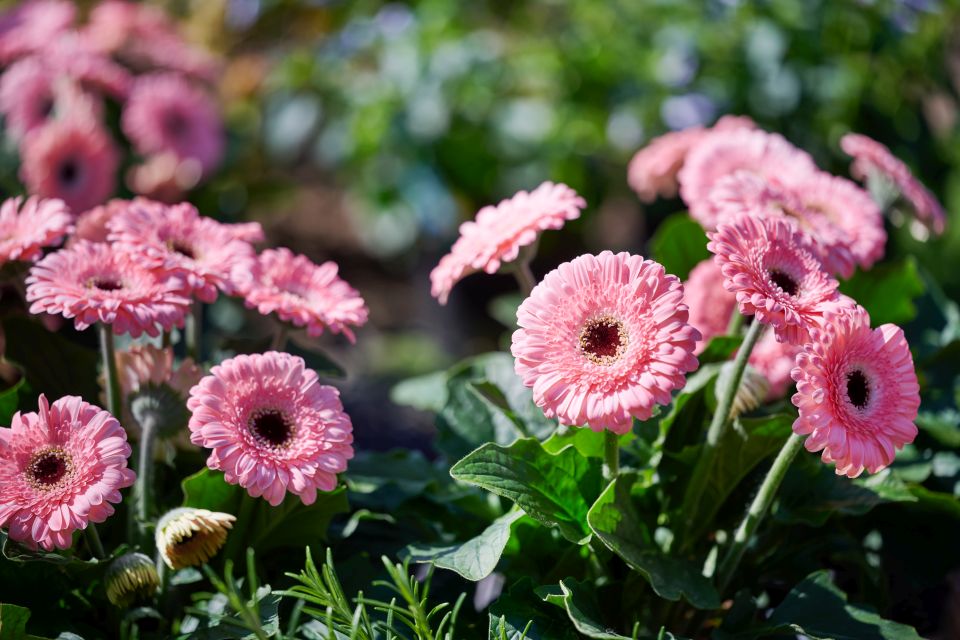
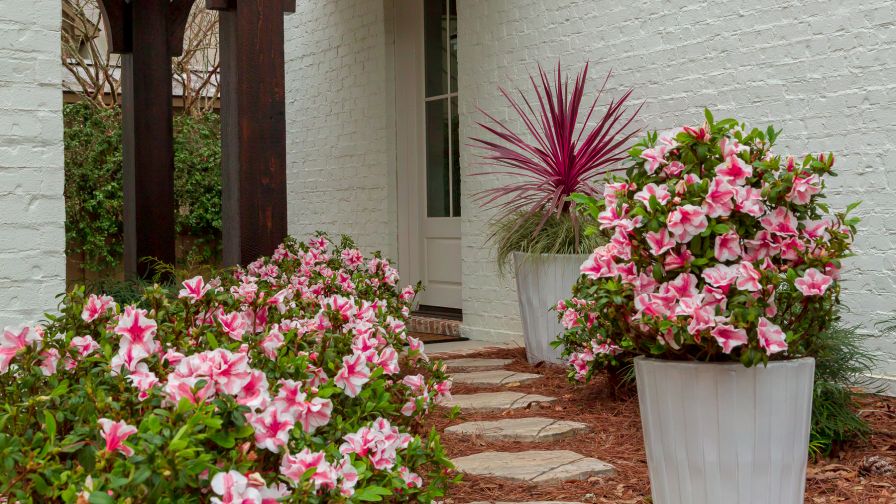
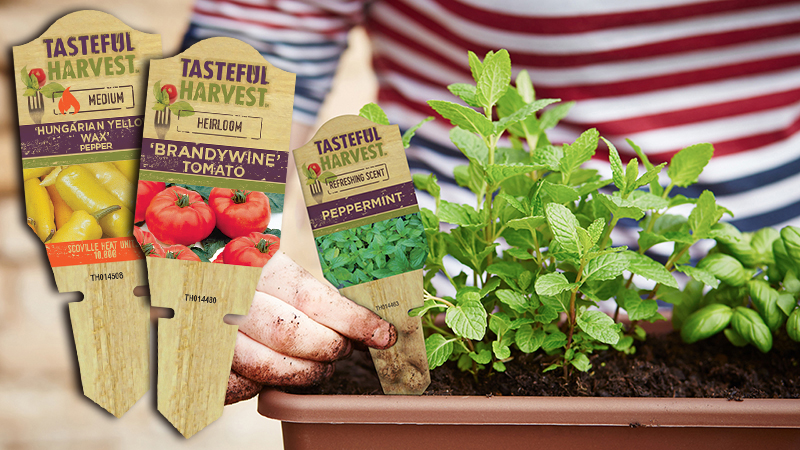
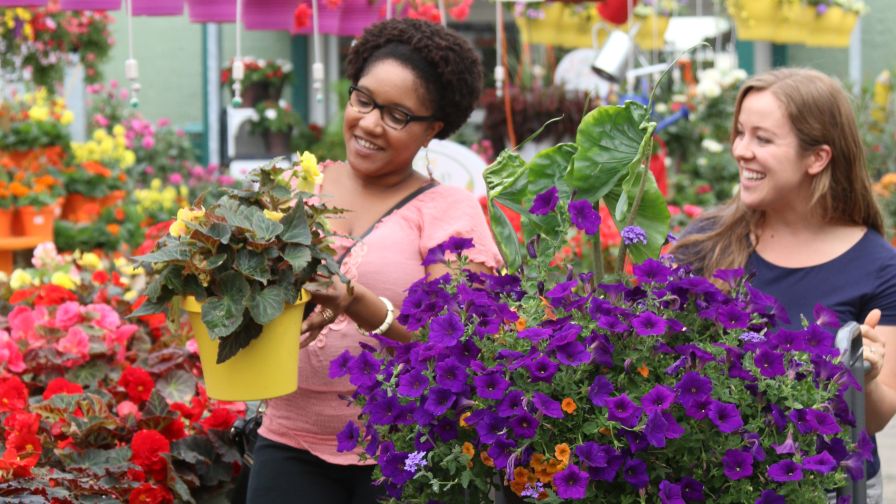
New products. Several companies submitted information on new varieties, production tools, and technological innovations, from a Martha Stewart-inspired rose from Star Roses & Plants to a biodegradable plant tag from HIP Labels. You can learn more about these and other new product introductions in photo slideshows to come on GreenhouseGrower.com.
Cautious optimism. This seemed to be the consensus among the growers and suppliers I talked to when it comes to 2026. After a couple years of wondering if the consumers gained during the COVID-19 pandemic were going to stick with gardening, those concerns have largely gone away. On the other end, some growers told me they were reluctant to invest too much in expansion given rising cost structures and lingering tariff concerns. Still, as one grower told me, “We can’t let things outside of our control factor into our decision making.”
Thinking outside the box. When I ventured in to the discussion on new products, I’ll be honest that sitting in a room with garden writers and self-described “plant geeks”, I was expecting some skepticism over the new bioluminescent Firefly Petunia. Instead, they were more impressed over the idea of something that was brand-new. They were also impressed when Raker-Roberta’s Young Plants’ Tyler Duncan, in discussing Firefly, noted that it should not grown like a regular petunia, and that the innovation doesn’t stop at simply introducing the plant. Duncan also teased future research into the potential of bioluminescence in other plants, and noted that because the petunia looks like any other plant when displayed at retail, signage and tags will be critical to its success.
The potential of new software and AI systems was a constant topic of discussion, with technology developers saying they continue to integrate AI into their solutions. The challenge lies in getting everyone to think different. To put it another way, we don’t have a technology problem. We have an invisible work problem. That’s the sentiment that Marissa Marshall, Vice President of Business Development, put it in a blog post on the Growmentum website following MANTS.
“Most greenhouse labor is still managed through tribal knowledge that us informal, undocumented, unforecasted, and unmeasurable. And yet labor represents 35% to 60% of operating cost. You cannot improve what you cannot see.”
Subscribe to eNewsletter
