



How the University of Minnesota Is Leading Cold-Hardy Plant Development
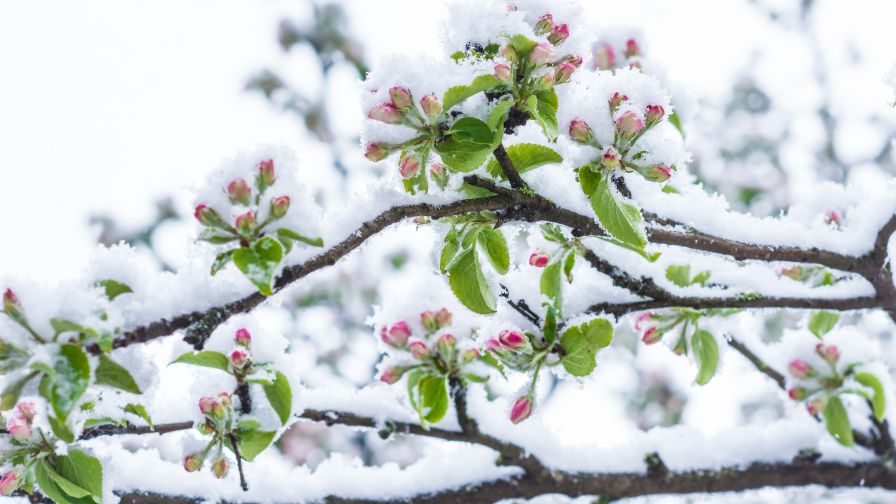
Apple tree with unfolded blossoms covered with snow. | Jurga Jot via Adobe stock
The unique challenges of Minnesota’s cold winters have long frustrated seasonally optimistic gardeners, farmers, and other growers of fruits, vegetables, flowers, and more.
Still, since the University of Minnesota Department of Horticultural Science’s founding in 1888, the program has not sat idly by, having so far bred more than 400 varieties of cold-hardy adaptations. About 100 of these have been fruit varieties, with roughly 30 of those apples. Other fruit introductions include grapes, apricots, cherries, raspberries, blueberries, strawberries, and even kiwi berries. And just this year, the trees that produce the University of Minnesota’s newest pear, known as Juicy Jewel, became available for purchase.
But what of the other 300 cold-hardy introductions?
So far as history has documented, no famous person has ever been quoted as saying they would not live in Minnesota because you cannot grow azaleas here, or say, chrysanthemums. However, were it not for the University of Minnesota’s cold-hardy breeding program, living in Minnesota would be a lot less colorful, that’s for certain.



Meeting Demand
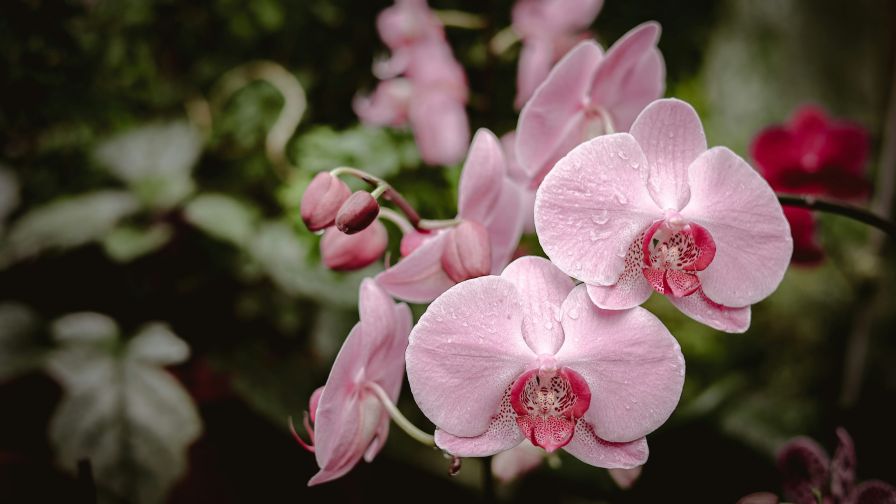
Among those beautiful flowering shrubs are azaleas, and the University of Minnesota has been particularly successful in bringing the full bouquet of colors to the clamoring Minnesota masses, introducing 14 highly successful azalea varieties.
“There wasn’t anything like cold-hardy azaleas in the north back in the 1950s,” says Assistant Professor Seth Wannemuehler, who was recently named head of the Woody Ornamental Plant Breeding & Genetics program. “We have some native ones here and there, but they don’t quite put on the show that Minnesotans wanted. We didn’t have big, beautiful, colorful plants.”
The big players in the horticulture industry, Wannemuehler says, are based in warmer climates — Georgia down south, or Oregon in the west, for example.
“And they breed plants that do well in those environments,” says Wannemuehler. “Unfortunately, here in Minnesota, where we can routinely get down to -30°F, those plants don’t necessarily survive.”
And so researchers experiment, crossing a plant with one desirable quality and then another until they get the characteristics they’re looking for — the characteristics that Minnesotans, midwesterners, and even Canadians demand.
This process — which often takes 15 years from start to finish for one introduction — takes place at dozens of climate-controlled greenhouses and 145 growth chambers on the Twin Cities campus in St. Paul, outdoors at the North Central Research and Outreach Center in Grand Rapids (the northernmost land-grant horticultural research center in the continental U.S. and a critical USDA Zone 3 cold-hardiness testing site), and at the University of Minnesota Landscape Arboretum, ensuring that whatever is bred survives within Minnesota’s borders.
“The ‘Light series’ is a good example of breeding for cold hardiness and something that we never had up here in the northland,” says Wannemuehler. “We brought in a lot of colors. I mean, if you’ve ever been to the arboretum in the spring, we’ve got pinks, electric light double-pinks, we’ve got oranges, we’ve got yellows, whites, and reds now.”
These azaleas — common in Zone 4 landscapes today, but unknown as recently as the ’80s — are world-renowned for cold-tolerance and color — an achievement that took two decades.
“We made a new market, essentially, and got nursery growers involved and the public,” says Wannemuehler. “We’re meeting the demand of both the consumer and the seller.”
Marvelous, Cold-Hardy Mums
“Go anywhere in the world — to any retailer selling garden chrysanthemums in the world — and the particular plant phenotype you’ll see was developed here,” says Neil Anderson, Professor of Flower Breeding and Genetics. “They all have that hemispherical shape.”
Anderson is referring to the style of chrysanthemums known as “cushion-habit,” a genetic discovery University of Minnesota mum breeders patented in 1977 as ‘Minngopher.’ In total, the cold-hardy research program is responsible for more than 90 chrysanthemum introductions over the past 100 years. Other introductions nod to the University of Minnesota or the State of Minnesota in their names, including the ‘Maroon Pride’, ‘Duluth’, ‘Snowsota’, and ‘Lemonsota’ varieties.
People might be surprised to learn that not only is the University of Minnesota’s program the oldest public breeding sector of chrysanthemum in the world, but it is also the only public sector chrysanthemum breeding program in the U.S.
“When the Department of Horticulture was founded, flowers and floriculture were paramount,” says Anderson. “They were meant to enhance the lives of Minnesotans.”
“A lot of land-grant universities had flower breeding programs, many of which were chrysanthemums. But over time, they disappeared,” he says. “Minnesota maintained our program mainly because of the critical work that we’ve done with winter hardiness and cold tolerance, as well as the development of the garden chrysanthemum crop itself.”
For Minnesotans, who don’t like to brag, mum is often the word. But where would cold-climate states be without this work?
“If you grow them outdoors, in your yard or something, they’d be green all year. They’ll never develop flowers or bloom for you at all. Without the Minnesota work, there’d be a lot of things lacking in color in the fall landscape.”
For additional information on the university’s work and research on cold-hardy flowers, including its importance to the state’s landscape and nursery industry, please read the original article found on the University of Minnesota — Twin Cities website.
Subscribe to eNewsletter
