



How to Minimize Cold Air Leaks During Winter Greenhouse Production
 January 12, 2026
 In a recent e-Gro Alert, W. Garrett Owen of The Ohio State University covered the topic of cold air infiltration, and the resulting heat loss and crop stress, into greenhouses during winter production. Here’s a look at some of the practical steps and strategies he offers to improve heating efficiency and keep your crops protected.
Problems Caused by Cold Air Infiltration
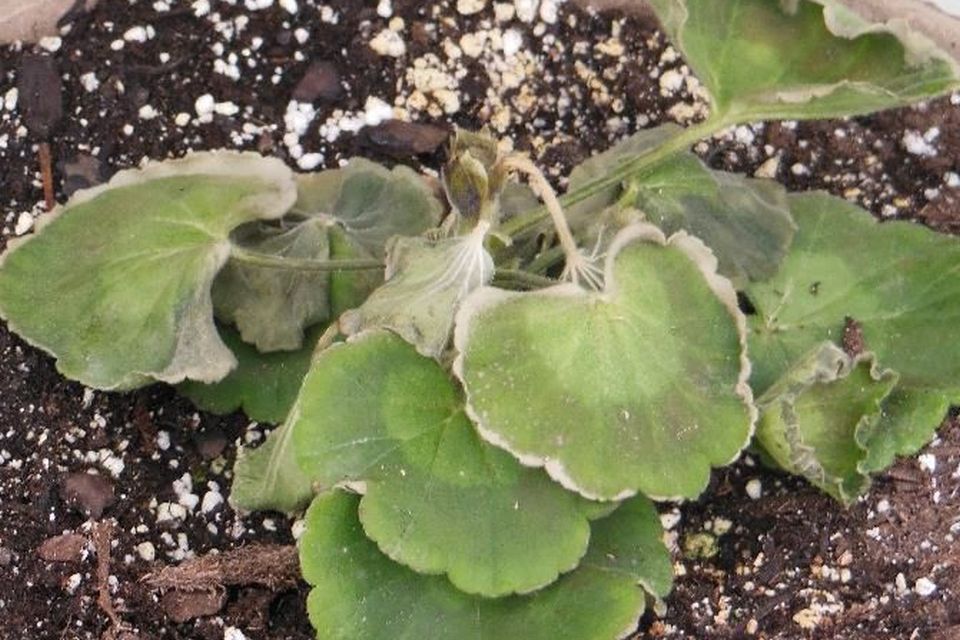
Plant loss due to cold air infiltration at an exhaust fan. | Dr. W. Garrett Owen, The Ohio State University
Greenhouse cold air infiltration is often spotted at “doors, vents, fan housing, and small gaps or cracks.” Cold air infiltration can lead to:
- Greater heater fuel use.
- Increased risk of chilling and freezing plant injuries, primarily to buds, flowers, and foliage.
- Localized cold spots near doors, sidewalls, and vents that repeatedly expose plants to cold air.
- Uneven development of floriculture crops, including delayed flowering, non-uniform height, and visible injuries.
Therefore, understanding where cold air is entering the greenhouse is the first step in reducing the aforementioned risks and improving heating efficiency.
Where to Look for Cold Air Entry Points
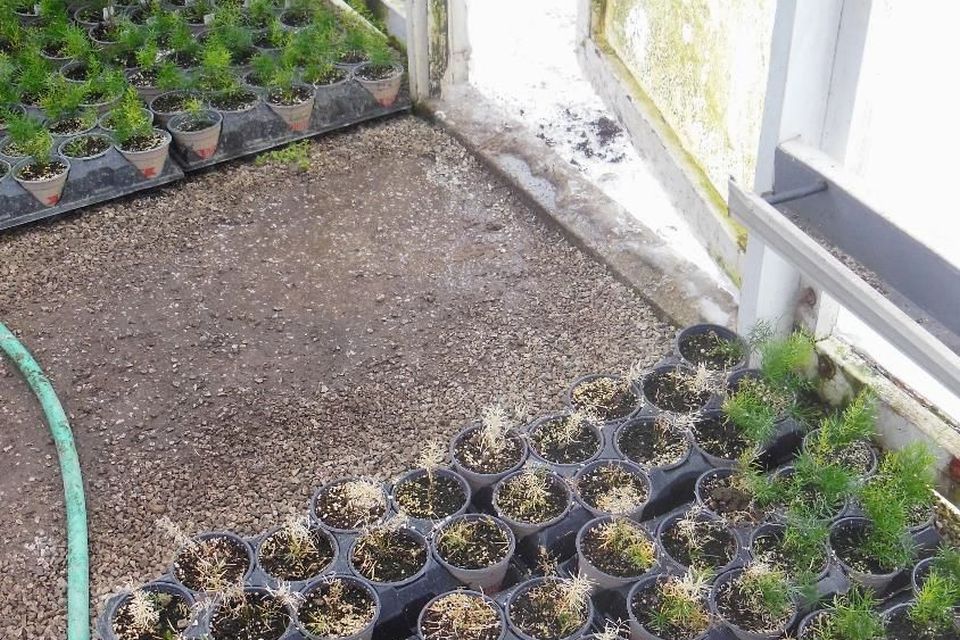
Example of a high-traffic greenhouse door where outside cold air enters the growing space. Asparagus ferns are exhibiting chilling and freezing injury leading to overall plant death. | Dr. W. Garrett Owen, The Ohio State University




Owen notes that cold air infiltration “rarely comes from a single, obvious source,” instead coming from a “combination of small openings and less obvious problem areas.” Some common entry points include:
- Doors and personnel entrances
- Fans, louvers, and vents
- Glazing, end walls, and sidewalls
- Under benches and the greenhouse floor
Because plants in the direct path of a cold air entry point will “often show the earliest and most severe symptoms,” recognizing these patterns can help growers locate leaks.
Cold Air Injury Patterns
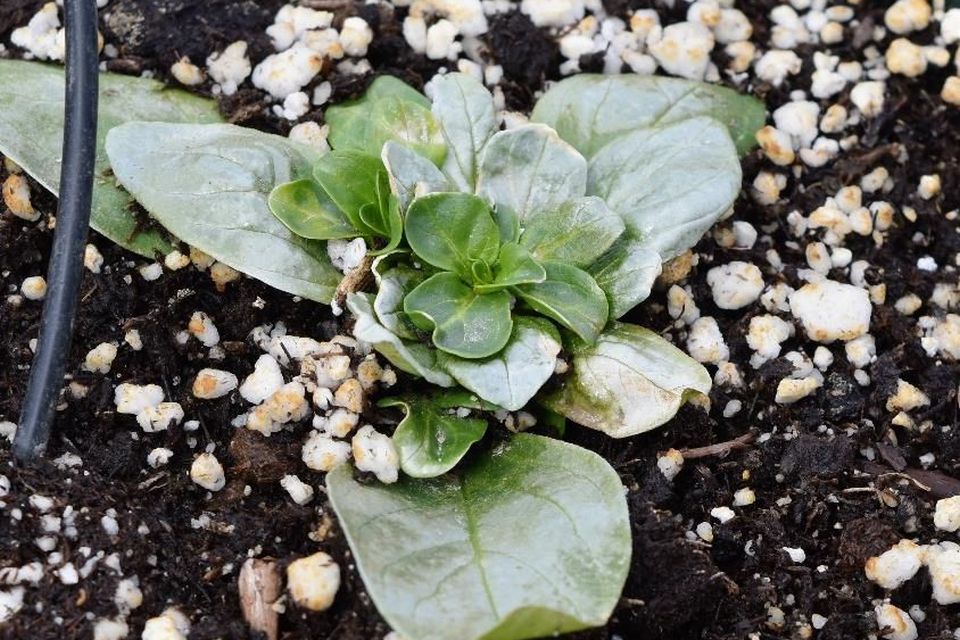
Petunia exhibiting discoloration (white) and necrotic (dead) foliage due to freezing injury. Hanging baskets placed at ground level near a high-traffic door. | Dr. W. Garrett Owen, The Ohio State University
To help identify the location of cold air entry points, patterns that growers should keep an eye out for include:
- Bleached patches, leaf edge, and/or margin necrosis, near end walls or side walls.
- Crops that display delayed flowering and slower development compared to plants in the center of the greenhouse.
- Lines of discolored (white) and necrotic (dead) foliage that align with doorways, vents, etc.
- Severe injuries on the windward side (compared to the leeward side) of the greenhouse.
Many cold air infiltration symptoms on plants may mirror “nutrition problems, chemical injury, or disease.” However, the injured plants’ location relative to entry points should help growers to consider air infiltration as a possible cause.
Tools to Find and Identify Leaks

Example of a propagation greenhouse deploying thermal energy screens at night to retrain heat and to be more energy efficient. Also pictured is day extension lighting. | Dr. W. Garrett Owen, The Ohio State University
Owen recommends “several low-cost approaches” that growers can use to help “identify and visualize air infiltration,” including:
- Handheld thermometers/IR thermometers: Comparing the temperature of doors, vents, sidewalls, and other possible entry points to the center of the greenhouse can help identify cold zones.
- Smoke sticks or foggers: When placed near suspected leak areas, non-toxic smoke sticks and portable foggers help provide visuals to air movement.
- Thermal imaging cameras: Thermal cameras can reveal “cold surfaces, drafts, and temperature gradients.”
Owen also suggests documenting these findings to help “prioritize which leaks should be addressed first,” and to keep a record for future checks and maintenance.

For additional information on preventing cold air leaks and optimizing greenhouse heating efficiency, including seasonal maintenance to reduce risks of cold air exposure and how to prepare your greenhouse for future cold weather events, please read the full e-Gro (Electronic Grower Resources Online) alert “Seal the Leaks and Save the Heat: Managing Cold Air Infiltration in Winter Production.” Additional and current e-Gro alert pieces from Volume 14 (2025) can be found online.
Subscribe to eNewsletter