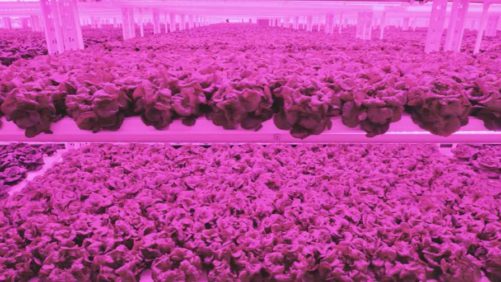
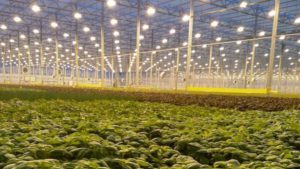
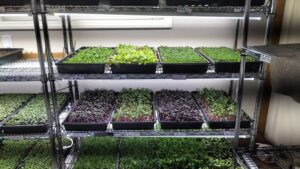
An upcoming webinar will address the effects of light spectrum on greenhouse lettuce and microgreens, with a focus on warm-weather climates.
Here are some general recommendations that can help reduce the incidence and severity of diseases in greenhouse tomatoes.
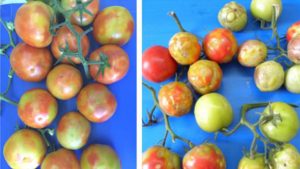
New research offers insight into an emerging tomato virus, as well as advice about a popular resistance.
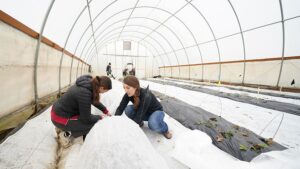
A collaborative four-year project will build an online tool to calculate whether an investment in integrated pest management or crop diversification via high tunnels can be profitable.
Fluence by OSRAM and Delphy worked together on studies that revealed higher yields and better plant quality under broad-spectrum lights.
One company is launching a survey for growers in the North American greenhouse tomato industry to define and quantify risk related to the tomato brown rugose fruit virus.
These crops can be susceptible to several diseases that reduce plant quality and marketability.
Soli Organic will work with leading global plant breeding experts at Rutgers University to select and advance the next generation of indoor-grown produce over the next five years.

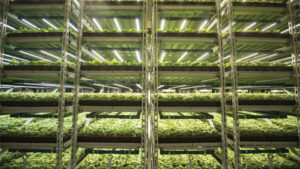
One of the challenges with microgreens is providing plants with the light intensity they need for quality growth without compromising quality.
University of Florida scientists have found a way to better control chilli thrips in strawberries using biopesticides and beneficial mites.
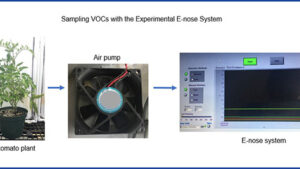
A team of USDA and university scientists has developed an electronic nose to sniff out whitefly infestations of tomato plants.
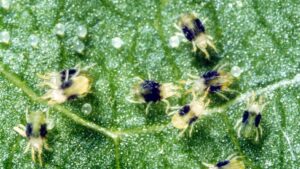
Spider mites can cause extensive damage and reduce yields in greenhouse strawberries if not caught early in the season.
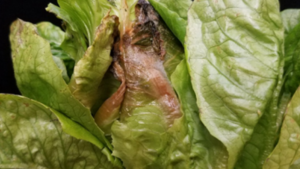
Follow these guidelines to identify and prevent lettuce drop caused by Sclerotinia sclerotiorum in soilless systems.