How Greenhouse IPM Programs Are Getting Smarter
February 10, 2026
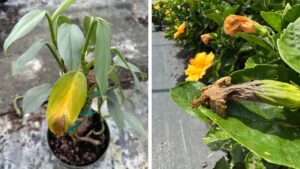
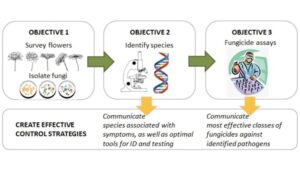
Dr. Julia L. Kerrigan of Clemson talks about her team’s project focused on ways to combat petal blight in the cut flower industry.
The newly registered Postiva fungicide aims to help ornamental growers provide a strong defense against diseases.
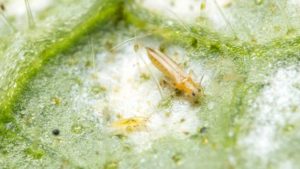
Nancy Rechcigl of Syngenta explains the best scouting and production techniques to keep your greenhouse pest-free.
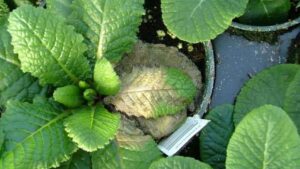
Botrytis can persist in the greenhouse on plant debris under benches as well as actively growing plant tissues, which makes sanitation and scouting key in the management of this disease.
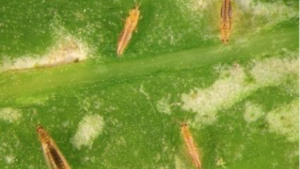
American Floral Endowment’s new thrips and botrytis online research library includes webinars, fact sheets, and articles on the latest research and implementation strategies.
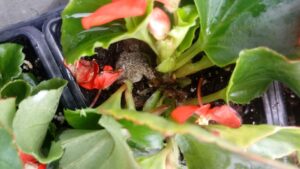
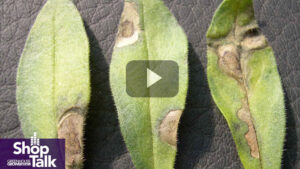
A botrytis infection that started as a small leaf spot that’s barely noticeable can quickly expand into a large area.
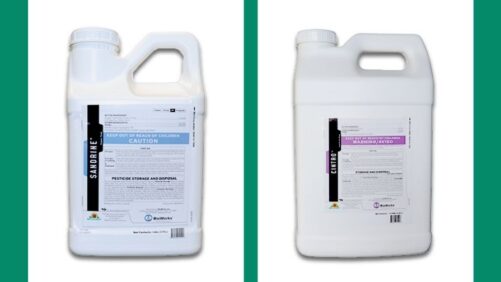
Learn more details about BotryStop WP, the latest crop protection product release from BioWorks.
These two plant staples for spring sales share basic cultural requirements, but are unfortunately also plagued by similar diseases.
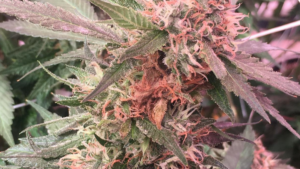
Botrytis in cannabis is reliant on high humidity or liquid water to colonize plant tissue, and spreads most quickly at moderate temperatures.
Air movement is critical in greenhouse environments to limit diseases such as gray mold.
Botrytis is one of the most common greenhouse diseases, and controlling it starts with sanitation and continues with effective controls.
The American Floral Endowment has released webinar recordings from its six-week series highlighting new research findings from AFE’s Thrips and Botrytis Research Fund.

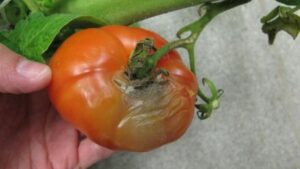
Botrytis, or gray mold, is known to be devastating to tomato crops grown in controlled environments.