Irrigation plays a critical role in the success of plant cultivation, and choosing the right system (or the wrong one) can significantly affect plant health, water efficiency, and overall productivity.
The Water Circularity Working Group plans to identify strategies that all growers, regardless of size, can follow to reduce water waste and improve water quality.
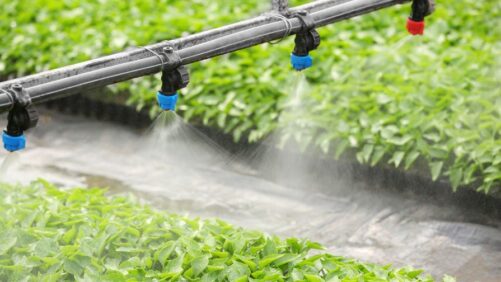
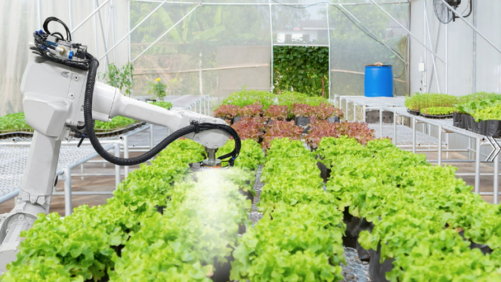
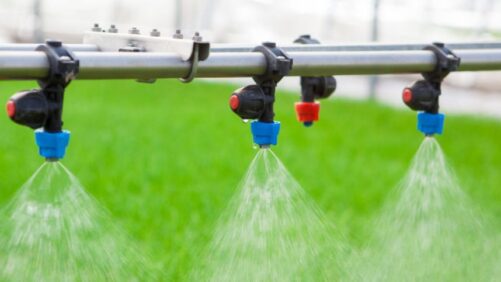
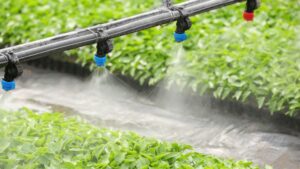
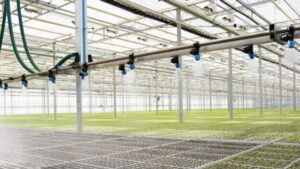
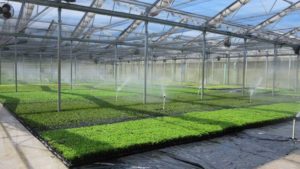
Installing irrigation systems designed to efficiently apply water to the plant, evenly and specifically, can reduce labor greatly while keeping plant growth healthy and even.
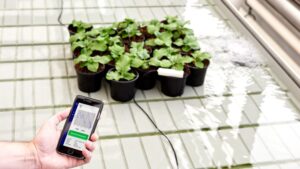
The Vineland Research and Innovation Centre is partnering with LetsGrow.com on a watering algorithm solution integration that can help growers improve crop management and yields.
Drought can strike in increasingly extreme forms, causing concern in global horticulture. With availability of high-quality fresh water no longer certainty in many areas, here’s how you can plan ahead.
It is important to identify what strength of acid you’re adding to your irrigation water, along with specific gravity to accurately determine the rate you require.
The evolution of irrigation technology, combined with increasing water access and other regulations in different areas of the country, has led to many growers seeking unique solutions.