



Trusted Training Programs for the Modern Greenhouse Grower
 July 18, 2025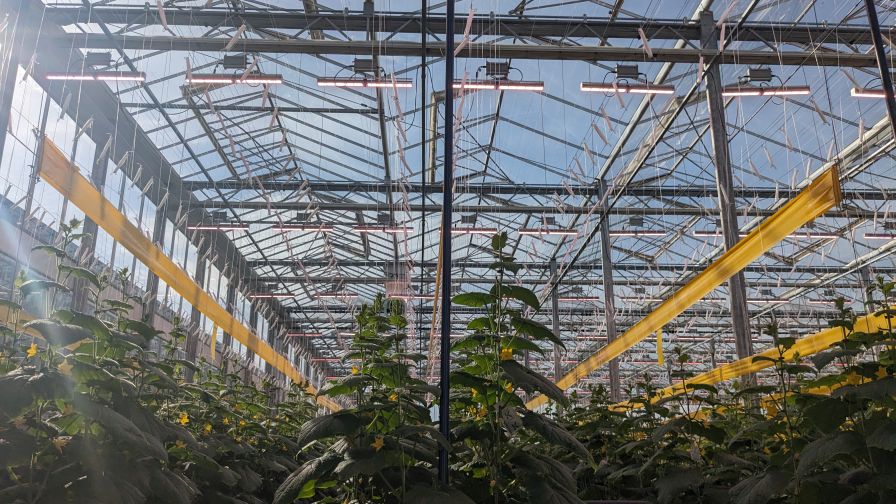
University-led training brings cutting-edge science to greenhouses, helping growers thrive with real-world skills. | GLASE
Maintaining a competitive edge means keeping staff at the top of their game. In today’s digital learning landscape, it can be difficult to find high-quality education at the right value. Greenhouse business owners can develop a stronger workforce by leveraging training from associations, private industry experts, and academia. While each offers unique insights, universities remain a consistently trusted source for greenhouse growers.
Institutions of higher education stand out as training sources because their researchers and professors are skilled educators with no ties to brands or manufacturers. They share research findings from real-world technology trials conducted alongside commercial growers — not as a marketing tactic, but as part of their public service mission, and are often required to teach the public via Extension appointments. Land-grant colleges and universities translate complex research into practical insights that help greenhouse businesses apply the most relevant findings to their operations.
Academics who work closely with the greenhouse industry are a valuable source of timely, research-backed information grounded in years of experience and collaboration. “I have spent the last 17 years visiting hundreds of greenhouse operations and conducting research to improve resource use efficiency and crop performance,” says Neil Mattson, Professor and Greenhouse Extension Specialist at Cornell University and Principal Investigator of GLASE — the Greenhouse Lighting and Systems Engineering Consortium. “I bring that same level of expertise – foundational knowledge, current industry practices, and emerging technologies – into my classes.”
The GLASE Consortium advances greenhouse industry education and workforce development with short courses funded by USDA, free webinars, and industry events.
Know Where to Look
It is easier than ever to learn from the nation’s top universities using the methods that suit your business: live, in-person, online, and on-demand. All greenhouse professionals can now find academic training programs in one place to advance their careers faster. Thanks to a new collaboration led by GLASE, greenhouse professionals can now find academic programs in one centralized resource: the Greenhouse Course Catalog.
To make it simple to plan training that fits your team’s needs and schedule, the catalog features offerings from six leading institutions:
- Cornell University
- Michigan State University
- The Ohio State University
- Rutgers University
- The University of Arizona
- The University of Florida
Knowing which courses are offered, when they are available, what level of time commitment they require, and how much they cost helps greenhouse businesses plan training investments to enhance their staff’s skills. The catalog includes more than 20 courses — available in English and Spanish — covering topics such as greenhouse lighting, environmental controls, nutrient management, integrated pest management, and advanced irrigation techniques.
To fulfill its mission of expanding access to quality education for the greenhouse workforce, GLASE will continue to maintain the Greenhouse Course Catalog and add new academic continuing education opportunities in partnership with leading universities. Students and professionals alike can explore dozens of courses to build essential skills and advance in top greenhouse roles.
Learn How “CEA Works”
CEA Works logo. | GLASE
The latest addition to the Greenhouse Course Catalog is CEA Works — a self-paced, online program designed to improve the controlled environment agriculture (CEA) workforce. It offers targeted training and certification for key industry roles, including head growers, assistant growers, and CEA farm business managers.
Launched in June 2025, CEA Works equips participants with the technical knowledge and practical tools needed to succeed and grow in the rapidly expanding greenhouse and indoor farming sectors.
The CEA Works curriculum was developed through a collaboration between experts at GLASE, Cornell University, SUNY Broome, The Ohio State University, Ohio State ATI, and Agritecture, with support from USDA’s National Institute of Food and Agriculture (NIFA). GLASE Industry Advisory Board members receive free staff access — contact [email protected] to learn more or join today.
USDA’s National Institute of Food and Agriculture (NIFA). | USDA
The first four courses launching this summer are:
1. Overview of Crop Production in CEA
Taught by Dr. Neil Mattson from Cornell University, this course covers the fundamentals of indoor crop production, including comparisons between different CEA systems, crop-specific practices, and innovations in automation for crops like leafy greens, tomatoes, and strawberries.
2. Root Zone Management
Instructed by Dr. Uttara Samarakoon from The Ohio State University, this course introduces key concepts in managing plant nutrition, substrates, and irrigation strategies to promote healthy root development and optimize productivity.
3. Plant Physiology of CEA Crops
Led by Dr. Chieri Kubota from The Ohio State University, this course explores the core physiological processes in CEA crops and how environmental conditions, such as light, temperature, and humidity, affect yield, quality, and stress responses.
4. CEA Business Planning 101
Presented by Yara Nagi and Jeffrey Landau from Agritecture, this course provides a practical introduction to business planning in CEA, including budgeting, cost evaluation, and strategies for achieving profitability and sustainability.
All four CEA Works courses are on-demand, so learners can build their skills flexibly while earning certificates tailored to the demands of CEA operations. Students have access to CEA Works courses for three months after purchase.
Creating a Training Culture
With free public tools like the Greenhouse Course Catalog, ongoing training can become a central part of a company’s culture of continuous improvement. Building a community of lifelong learners starts with a clear workforce development strategy. Consider these questions to help guide your approach:
- Why is training important for your business?
- What outcomes do you hope to achieve by creating a training culture?
- How does your company define a successful training program?
- How often should training investments be made?
- Where do knowledge or skill gaps exist within your team?
- What topics are most important for closing those gaps?
- Which courses or programs do you trust to deliver those skills?
- Who should be trained, and on which topics?
- How — and how often — will you share training results with your team?
- How will you celebrate and recognize your team’s achievements?
Subscribe to eNewsletter