


What’s New, Next, and Trending in Cut Flowers?
Cut flowers continue to gain momentum across several markets, and breeders are responding with genetics that are more durable, dependable, and aligned with the colors and textures designers want most. Snow Maestas, Marketing Manager – North America at Benary; Bob Croft, Technical Support Manager and Trials Coordinator at Sakata; Liat Shemer, Global Marketing Manager at Danziger; and Alicain Carlson, Head of Marketing – Americas at Syngenta Flowers, provide insight into the introductions and breeding directions poised to define the next wave of cuts.


View all


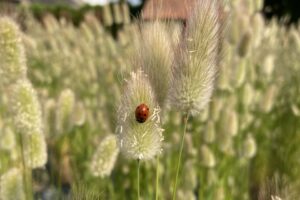



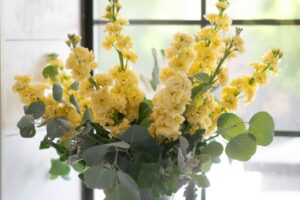


Across the board, performance traits remain foundational. Vase life, stem strength, postharvest resilience, and transportability continue to guide selection, but aesthetics have become just as influential. Breeders report strong demand for soft pastels, warm apricots, and antique, heirloom-inspired hues, especially for weddings and décor markets. At the same time, textural materials and dried or preserved flowers, such as Craspedia, Lagurus, Limonium, and Eucalyptus, are enjoying renewed attention thanks to their versatility and longevity.
Color, Texture, and the Rise of “Heirloom Modern”
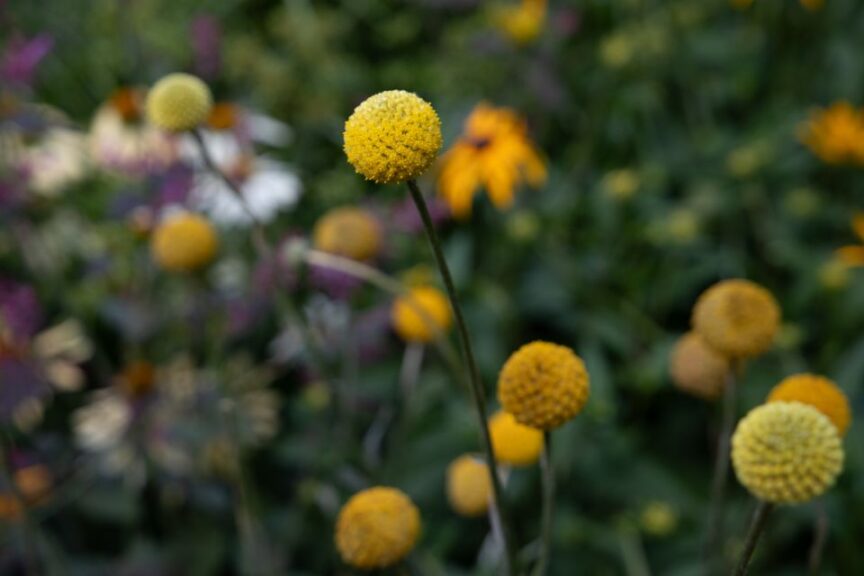
Benary is leaning into those trends with high-impact additions. One of the most anticipated is Craspedia globosa ‘SolarPop’, debuting for 2025/2026. With bright, uniform golden globes, excellent vase life, and strong performance both fresh and dried, ‘SolarPop’ delivers the structure and texture designers are asking for.
Benary’s Limonium sinuatum Hipster™ Series Mix continues to gain traction for bouquet and event work, and a new Hipster Apricot (exclusive to North America) is slated for 2026/2027. This warm, vintage-inspired hue taps directly into the antique and heirloom color trends resonating strongly in weddings and décor.
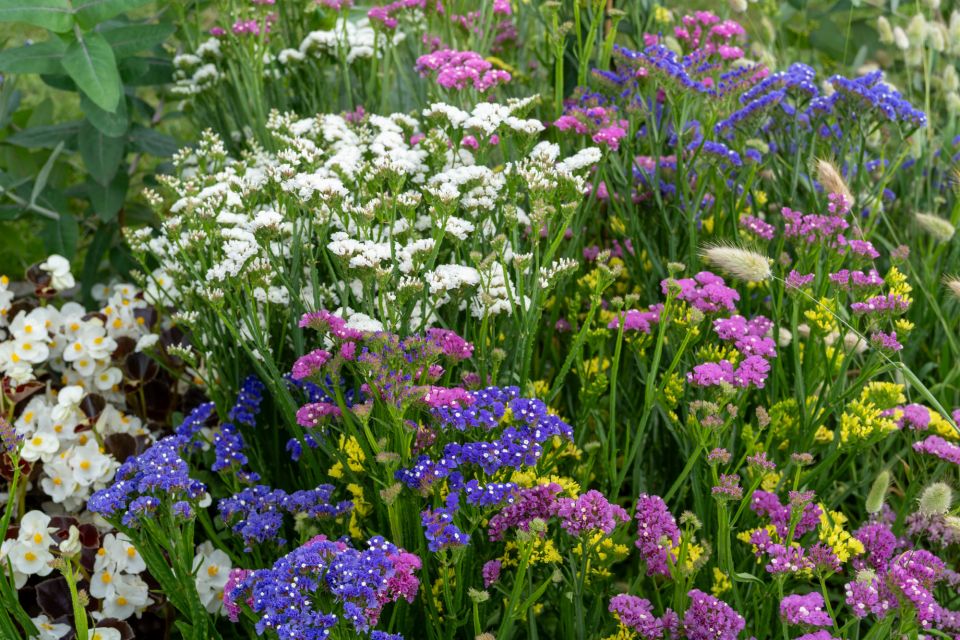
Limonium sinuatum Hipster™ Series
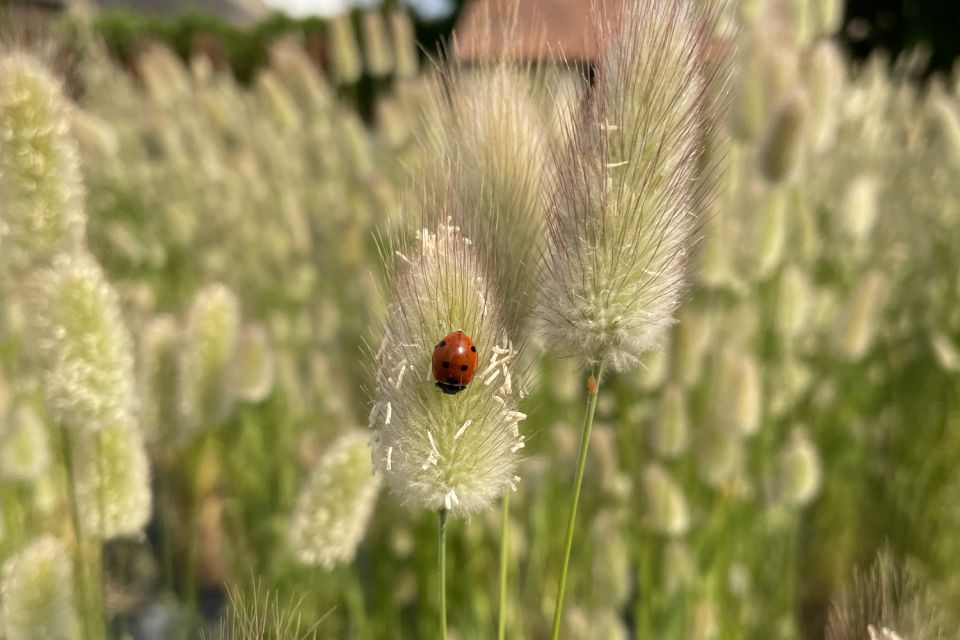
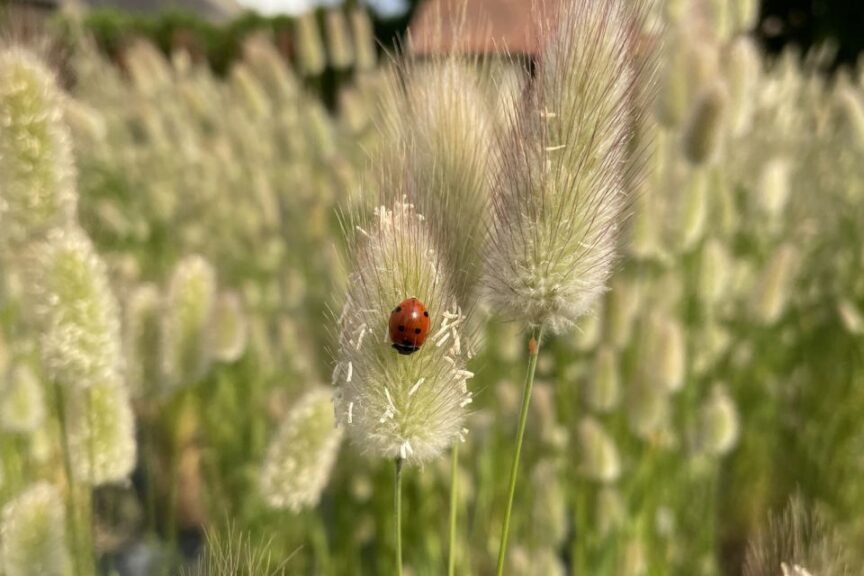
Texture-rich novelties aren’t the only focus. Maestas notes that innovation still revolves around reliability: sturdy stems, transport-ready structure, and colors that fit emerging palettes without compromising production efficiency. Products like Lagurus ovatus ‘Bunny’ illustrate how dried-flower demand is reshaping breeding priorities, rewarding varieties that offer both unique texture and excellent drying quality.
Benary is also seeing continued enthusiasm for Eucalyptus, with varieties such as:
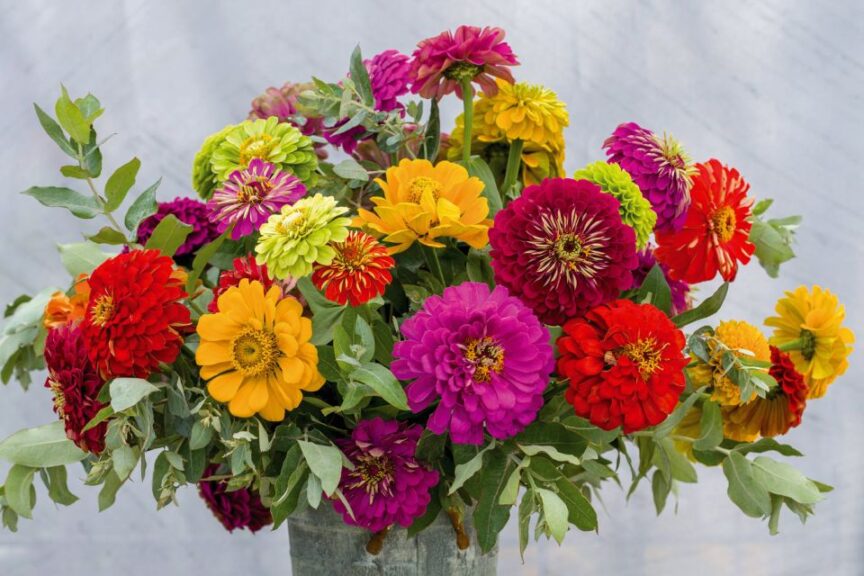
These perform well for North American growers. And, while they aren’t new, Benary’s Giant and Oklahoma zinnias remain among the most popular cuts on the market. Their bold hues fit seamlessly into the deep, moody palettes gaining traction. As Maestas points out, “Sometimes what’s old is new again.”
Danziger’s Design-Driven Cuts
Danziger is also leaning hard into texture, movement, and what Shemer describes as emotion-driven floral storytelling. Rumex Unicorn™ has quickly become one of the most talked-about new cuts in trials and showcases. With long, elegant stems, abundant inflorescences, and a sense of motion in the vase, Unicorn™ fits into the “green trend” and the push toward more natural, meadow-inspired design. High rust tolerance and a uniform, grower-friendly habit keep it practical on the production side.
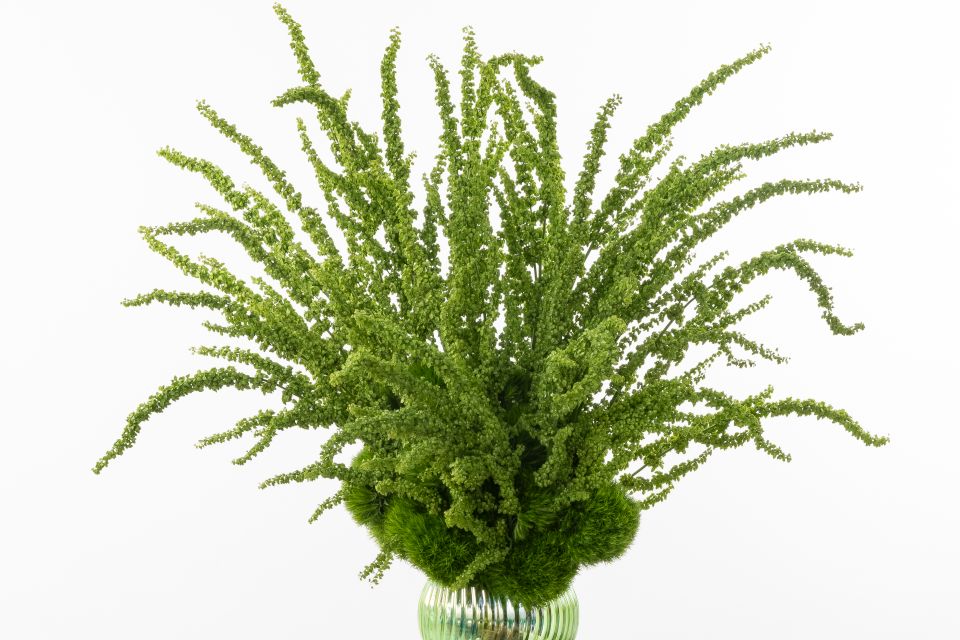
Dock Rumex hybrid Unicorn
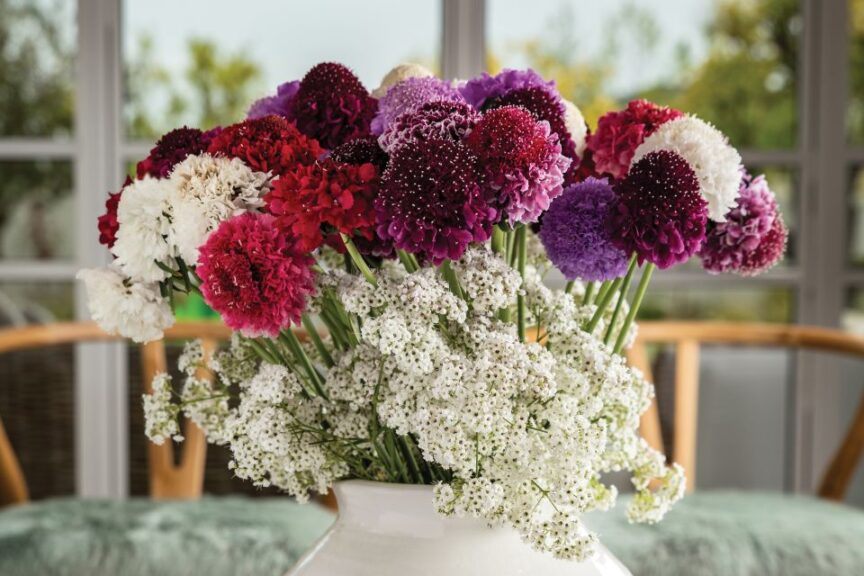
Iconic textural lines are also getting a refresh. Danziger’s Scabiosa Scoop® assortment, known for its distinctive, tactile flower forms, continues to expand with stronger stems, better uniformity, and improved production consistency. Between Scoop®, Focal Scoop®, and Bon Bon Scoop™, the collection now offers multiple sizes and shapes that can flex from consumer bunches to high-end mixed work while holding up in shipping and in the vase.
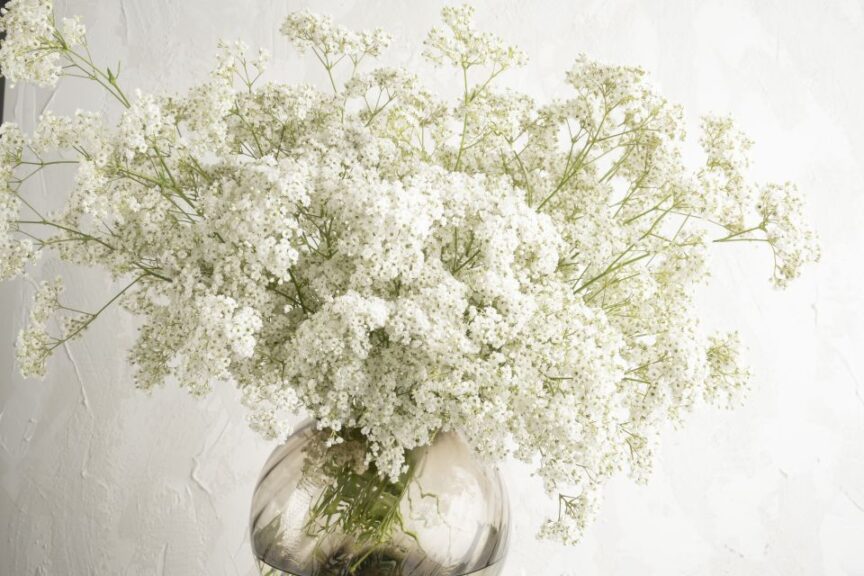
Gypsophila Million Daisy™ brings a modern spin on gypsophila-style material. Tiny blooms gathered into rounded, cloudlike clusters give designers the soft, airy look they’re after, while growers benefit from high yield, fast growth, and easy harvest.
Behind those introductions is a familiar set of breeding goals: extended vase life with color that stays true, transport durability for long-distance shipping, strong stems and uniform crops, and clear technical guidance so growers can hit targets consistently. Looking ahead, Danziger is investing heavily in its expanding Scabiosa Scoop® assortment and in more “natural look” genetics like Unicorn™ and the new Leucanthemum Harmony, recently launched in the E.U.
High Yields and Novel Forms from Syngenta Flowers
At Syngenta Flowers, Carlson says the focus in cuts is on high yields on strong stems, citing the Uproar™ zinnias as a good example of that balance between productivity and structure. Breeding teams are also pushing into new color directions that mirror what consumers are reaching for right now.
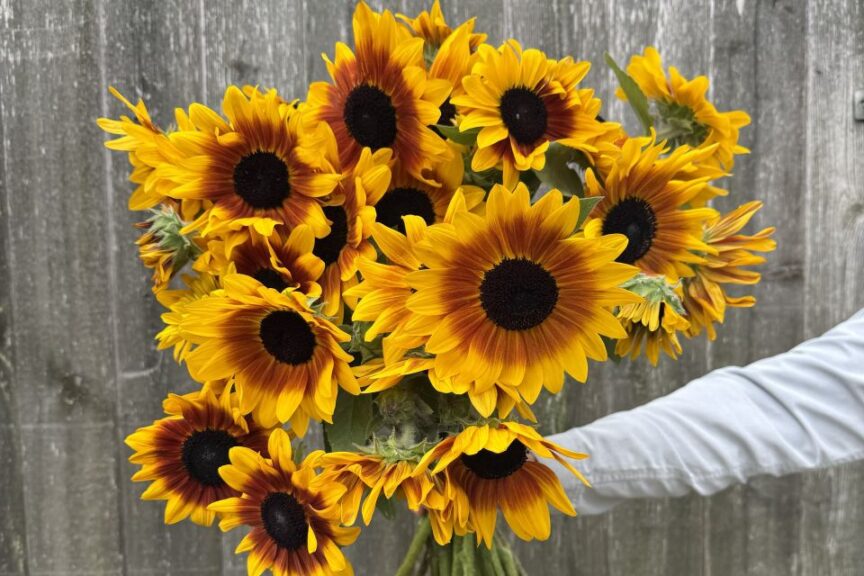
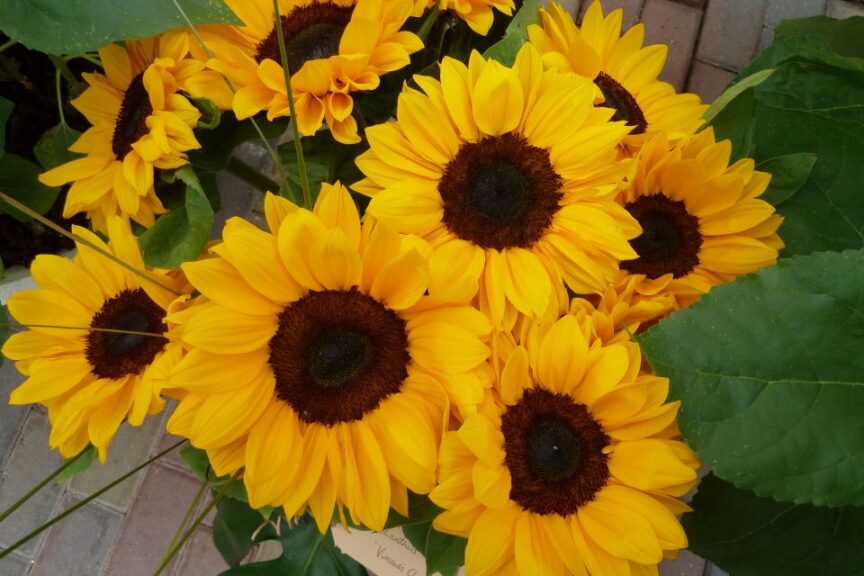
In North America, she sees trends “set on more unique and novel colors and flower forms.” One highlight is the new Helianthus annuus Sunfinity Yellow-Red Bicolor, which layers a distinctive bicolor pattern onto the well-known Sunfinity performance growers already trust. It answers the demand for sunflowers that feel fresh and different while still behaving predictably in production and postharvest.
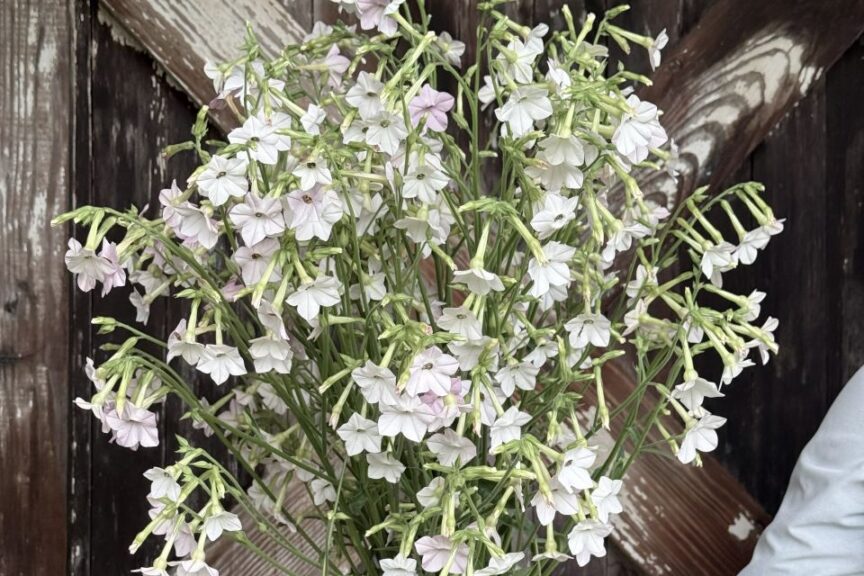
Specialty cut flower growers are also looking for uncommon species that can set their offerings apart. Syngenta’s new Nicotiana speciosa Whisper Series fits that niche with whimsical, lightly scented blooms and strong productivity even through the heat of summer — offering a more unusual, romantic filler or focal option for growers and designers who want something beyond the standard lineup.
Breeding for Reliability and Grower Success
Sakata’s recent developments reflect many of the same priorities, with a particular spotlight on vase life, disease resistance, and grower-friendly traits.
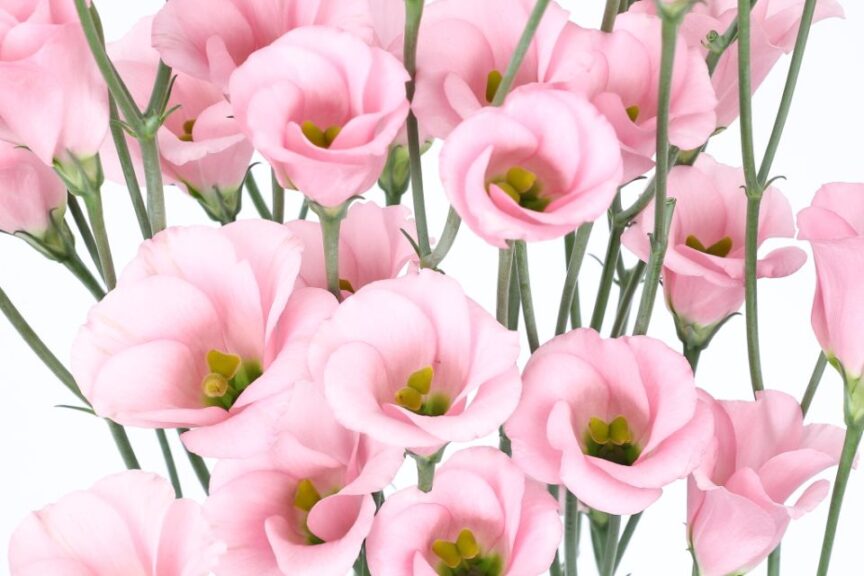
A standout introduction is the Lisianthus Viviana™ Series, a new F1, pollen-free line available in Blue and Pink. In addition to intermediate Fusarium resistance and single blooms, the Viviana series offers up to 21 days of vase life, supported by firm petals and better transport resilience. Pollen-free traits are increasingly important not only for vase longevity but also because they reduce thrips attraction, improving overall crop quality.
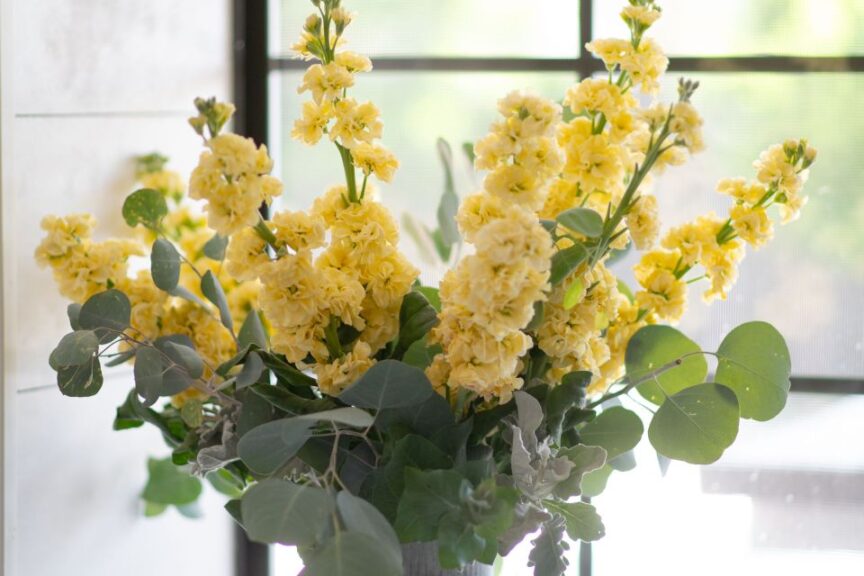
In stocks, Sakata is strengthening its position with the Stock (Matthiola) Early Iron Series. This series blooms five to ten days earlier than standard Stock Iron and makes it easier for growers to hit the target stem height. Early Iron debuts in soft, bouquet-friendly shades — Cherry Blossom, Marine, and White — with Deep Yellow and Pink joining the series in 2026.
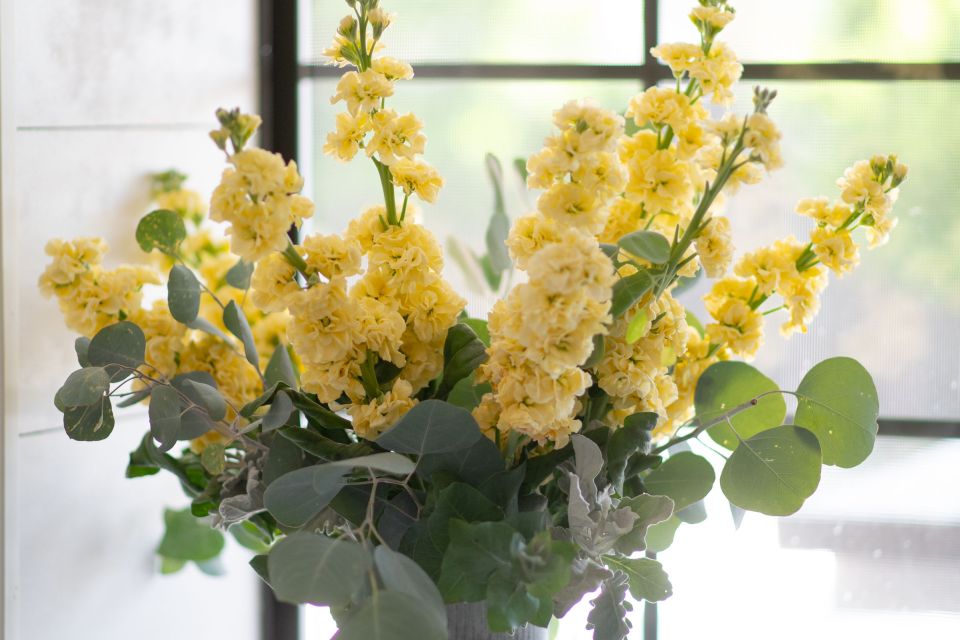
Stock (Matthoila) Early Iron Deep Yellow
In sunflowers (Helianthus annuus), Sakata continues to push color intensity and disease resistance. Vincent®’s Choice DMR and Vincent®’s Fresh DMR bring downy mildew resistance for cool, moist regions where disease pressure is a persistent concern, while Vincent’s Tangy adds a striking deep-orange option with a dark eye, strong stems, and upward-facing flowers that read beautifully in bouquets.
Grower behavior is directly influencing these breeding directions. “Grower-friendly varieties are a key focus of Sakata’s current and future breeding,” Croft notes, pointing to improvements in seed quality, germination, and overall crop ease. At the same time, pollen-free varieties are benefiting consumers with longer vase life and cleaner flowers for tabletops, while giving growers an additional tool to manage thrips.
Smarter Genetics and a Rosette-Free Future
Looking ahead, all four companies point to significant advancements moving through their pipelines. While Benary isn’t ready to share specific breeding lines, Maestas confirms that the team is pushing deeper into color innovation, especially soft pastels and antique, heirloom-inspired tones, as well as new textural materials that perform in both fresh and dried markets. Continued refinement of staple crops like zinnia will remain a priority.
At Sakata, the next chapter centers on what Croft describes as breakthrough genetics. A new rosette-free (RF) Lisianthus series is being developed to eliminate temperature-induced rosetting, expand plug production into warmer climates, and enable faster regrowth for second harvests. By removing the risk of dormancy under suboptimal temperatures, RF genetics could help stabilize Lisianthus scheduling and open production to a wider range of regions.
Sakata is also preparing to launch Solo®, a pollen-free Lisianthus series with single flowers and exceptionally hard petals plus improved disease tolerance. Designed as a “game changer” for the bouquet market, Solo is expected to offer better shelf life, cleaner presentation, and fewer post-harvest issues for growers and designers alike.
From Danziger’s design-forward introductions and Syngenta’s emphasis on high-yield, novel forms to Benary’s color and texture work and Sakata’s focus on resilience and disease resistance, these breeding directions reflect a cut flower market that is both nostalgic and forward-leaning — embracing antique colors and natural textures while demanding stronger genetics and more efficient production. Whether it is a pollen-free Lisianthus, a disease-resistant Helianthus, a characterful Nicotiana, or a Craspedia or Scabiosa that performs beautifully fresh or dried, breeders are pursuing traits that give growers reliability while offering consumers designs that feel both current and timeless.
As demand continues to rise and color and texture trends evolve, innovation in the cut flower space is anything but static. What’s next is already moving through the pipeline, promising a blend of practical improvements and aesthetic inspiration that will carry the category into the seasons ahead.
Subscribe to eNewsletter