



Growers and Suppliers Strengthen Partnerships on Greenhouse Projects
 January 20, 2026
 During the past couple of years, the greenhouse floriculture industry has seen a wave of new construction and retrofit projects. Growers point to two main drivers: steady demand from consumers who kept buying flowers after the COVID-19 pandemic and easing supply chain disruptions that previously delayed product availability.
Tariffs Accelerate Domestic Sourcing
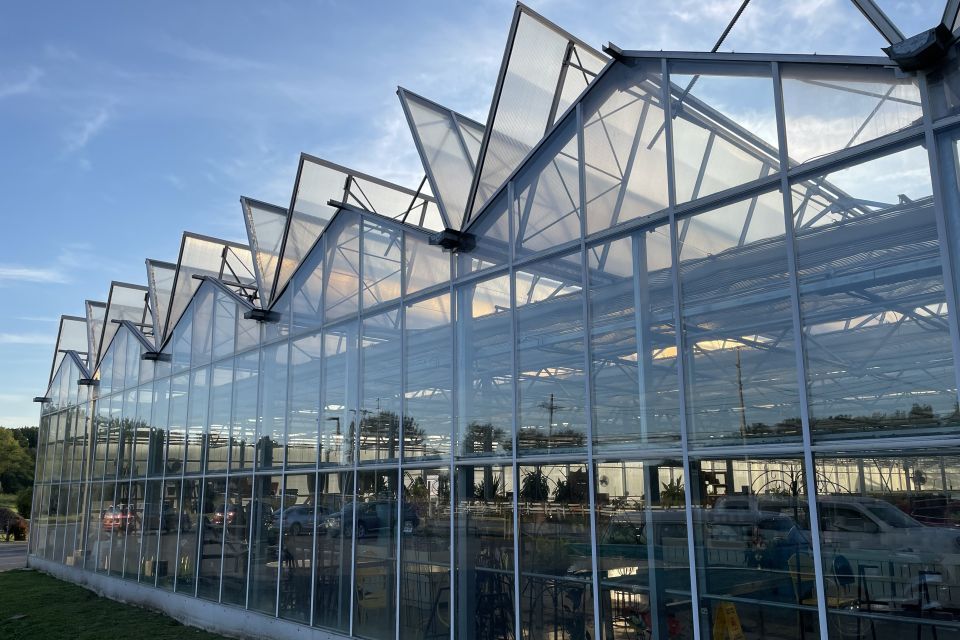
In recent years, Prospiant has placed greater emphasis on PolyArch, Open Roof (pictured), and Venlo structures. | Prospiant
Paul Golden, Commercial Sales Manager at Prospiant, says current tariff policies are prompting many growers who have traditionally relied on European or Canadian manufacturers to shift toward domestic sources for structures, equipment, and services.
“Prospiant’s ability to produce Venlo, Open Roof, and other European-style greenhouse structures in Ohio — at lower cost and with significantly shorter lead times — is driving renewed interest in U.S.-manufactured solutions,” Golden says.
At the same time, Prospiant is emphasizing close coordination with allied vendors to expand offerings, refine products, and extend services through partnerships with component companies.
So, what are Prospiant’s grower customers prioritizing as they head into 2026?
Golden points to three forces:
- Borrowing costs: “The cost of borrowing remains top of mind for most owners. There is also growing concern about softening demand for certain plant materials.”
- Shifting demand: “Consumer preferences naturally shift over time, and experienced growers have learned to pivot — introducing new products to meet the market’s evolving needs.”
- Labor constraints: “Lastly, labor availability remains a significant challenge and has been further strained by current immigration policies. Even though the H-2A program issued more visas in 2025 than in recent years, there are still labor shortages.”
Golden says Prospiant is responding by placing greater emphasis on PolyArch, Open Roof, and Venlo structures.
“Their ladderbar and energy truss design delivers significant manufacturing and installation efficiencies compared with other structure types, reducing both the cost and time required to bring new growing space online,” Golden says. “We are also heavily focused on greenhouse renovation, including curtain systems, coverings, heating, and controls, as industry consolidation increasingly places operators into existing facilities that require modernization.”
What Suppliers Say Is Shaping 2026
Greenhouse Grower’s 2025 State of the Industry survey captured input not only from growers, but from suppliers, too. Two structures companies (names withheld due to survey privacy) shared what they believe will shape industry success in 2026 and beyond.
Trends heading into 2026:
- “Renovation vs. new construction.”
- “Smaller upgrades and retrofits over large projects.”
Top supplier challenges:
- “Uncertainty of the economy.”
- “Raw goods pricing, competition low-balling, uncertain economy.”
Tariff impacts:
- “There will be increased costs for covering, aluminum, steel, and all imported technologies.”
What growers need more education on:
- “ROI; the differences between premium, custom-designed greenhouses designed around their goals vs. greenhouse ‘kits’ that aren’t truly one size fits all.”
- “More web-based education opportunities.”
Building for the Spring Crunch
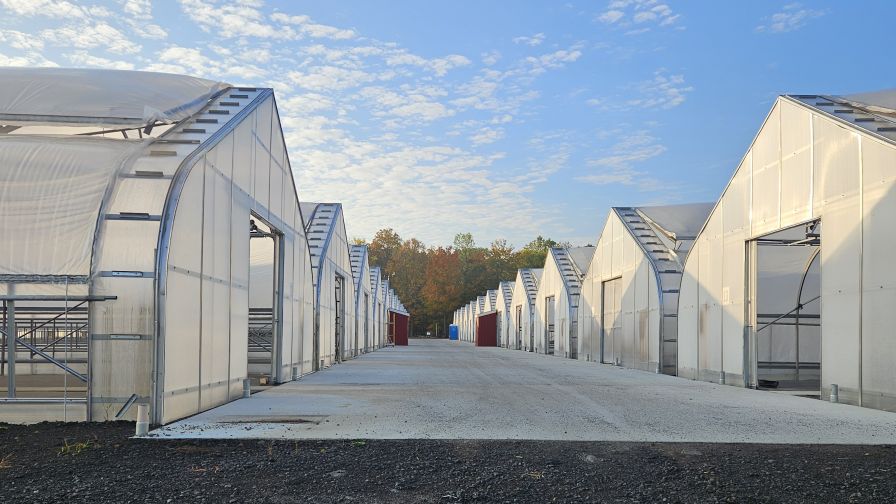
N. Casertano Greenhouses’ recent 110,000-square-foot expansion was built to improve peak-season availability. | N. Casertano Greenhouses
It’s always useful to hear the lessons and takeaways from a greenhouse expansion straight from the grower. John L. Casertano of N. Casertano Greenhouses and Farms Inc. in Cheshire, CT, recently shared the thinking behind the company’s latest project.
“Our 110,000- square-foot expansion was built to improve peak season availability. As retail plant purchases continue to get concentrated into the traditional spring window, the need for seamless availability in the peak 8- to 10-week window is more important than ever before. Contracting products to supplement our production is getting more expensive, as contract growers are feeling the same inflationary pressure. As we all know, margins are tight to begin with, so paying more for contract-grown product is becoming less tenable in the current environment.”
“The expansion was built over outdoor field space. Nothing beats a perennial grown outdoors, unless it comes too late for the market. By covering this space with controlled environments, we capitalize on peak-season opportunities with our own product. We controlled quality and variety and were able to be more nimble, getting this product to market when needed; we didn’t have to wait for contract grown material to arrive. We are very happy that we did it and were able to capitalize better on spring opportunities and reduce expenses.”

Suppliers Sound Off on Modern Greenhouse Construction Challenges
This past year, we asked greenhouse suppliers and manufacturers to weigh in on the biggest factors influencing greenhouse construction today — from rising energy costs to shifting tariffs and smarter automation. Click here to read their insights.
Subscribe to eNewsletter