



How to Create Clear Career Pathways in Horticulture
Workforce challenges in horticulture aren’t new, but the expectations surrounding careers in the industry are changing fast. Today’s candidates want to know what they are stepping into, how they will develop, and what advancement can look like over time.
Two different perspectives show how those pathways are being built, from the inside of a major production operation to an adult vocational program designed around employer needs.
A Career That Grew into Leadership
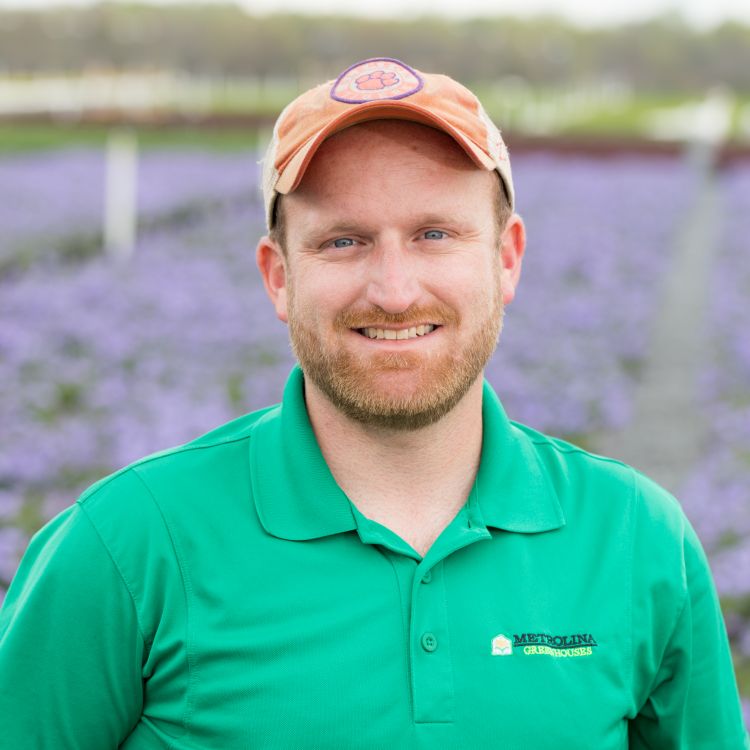
Trey Tempel, Director of Horticulture at Metrolina Greenhouses in York, SC. | Metrolina Greenhouses
Trey Tempel did not enter college with a defined plan to work in horticulture. He simply knew he enjoyed the outdoors and had grown up gardening with his family. That interest led him to choose horticulture as his major at Clemson University, setting his career in motion.
Tempel’s path to Metrolina Greenhouses also reflects how relationships and hands-on experience open doors. He completed a summer internship in 2011 with Stacy’s Greenhouses at its Pendleton, SC, facility and met many members of the team. When Metrolina later purchased the Stacy’s facility in York, SC, Tempel applied and joined the operation in 2014 as an assistant grower.
Now Director of Horticulture at Metrolina’s York facility, Tempel says the most rewarding parts of his job are deeply tied to people leadership.
“As Director of Growing in York, I enjoy celebrating the wins with the team,” he says. “Seeing all their hard work pay off is very rewarding. I also enjoy watching people develop in their roles and grow in their careers with the company.”
Tempel says he is motivated by what is ahead for the operation and the team.
“I am happy in my current role, but I am excited to see our facility and team expand,” he says. “I want to be a small part in making our farm one of, if not the best, in the country.”
What Keeps People in the Industry
When it comes to attracting and retaining talent, Tempel points to what many managers are hearing from newer hires: pay matters, but it is not the entire story.
“One of the biggest incentives, outside of pay, is career development,” he says. “People want to know they can advance their career. They want to see that path of upward momentum.”
He adds that benefits are increasingly central to long-term retention.
“Benefits are a major factor and very important to young people these days,” Tempel says.
That emphasis on professional growth is not only being discussed at the employer level. It is also shaping how workforce training programs are structuring their curriculum.
Training Built Around Employer Needs
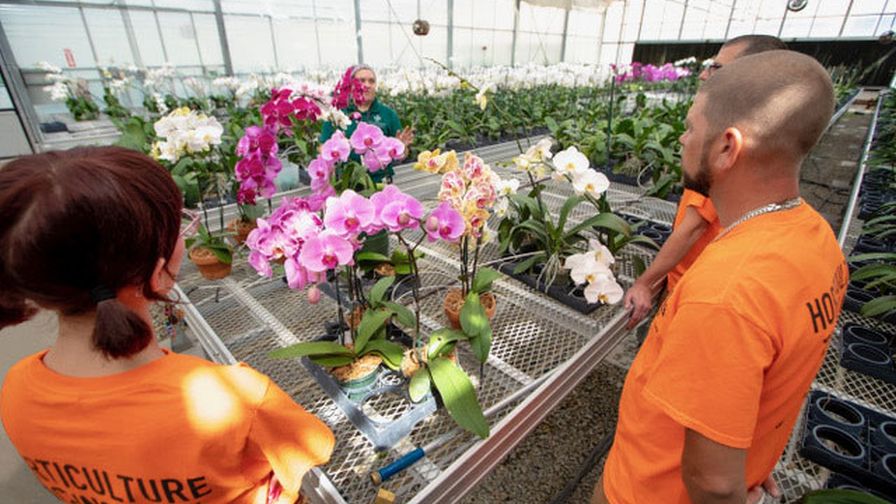
Horticulture Technology students learn the hands-on skills needed for a career in the horticulture industry at Bidwell Training Center. | Manchester Bidwell Corp.
Dr. Ryan Gott oversees the Horticulture and Agriculture Technology adult vocational training program at Bidwell Training Center in Pittsburgh, PA. He says the program is designed to be academically rigorous while prioritizing hands-on experience and exposure to the range of career options in horticulture. Just as importantly, Gott says the curriculum is designed to stay relevant by taking cues directly from employers.
Bidwell maintains professional advisory committees made up of employer partners, and those conversations feed into course updates and program direction. That approach, Gott says, is part of why the program has seen strong employment outcomes.
When asked what employers want most from graduates, Gott says the answer is consistent.
“The biggest need is those durable professional skills,” he says, including “professionalism, etiquette, and commitment” even above niche technical skills that employers can train in the first month on the job.
That is why Bidwell integrates professional development into its programming, from communication and teamwork to resume preparation, interview practice, and the day-to-day expectations that help employees succeed and advance.
At the same time, the program is expanding its focus on technology and data, reflecting changes employers are seeing across production, retail, and landscape segments. Gott notes that students are building digital skills such as data collection and working in Excel, and the program is introducing tools like Computer-Aided Design (CAD) and expanding exposure to Geographic Information Systems (GIS).
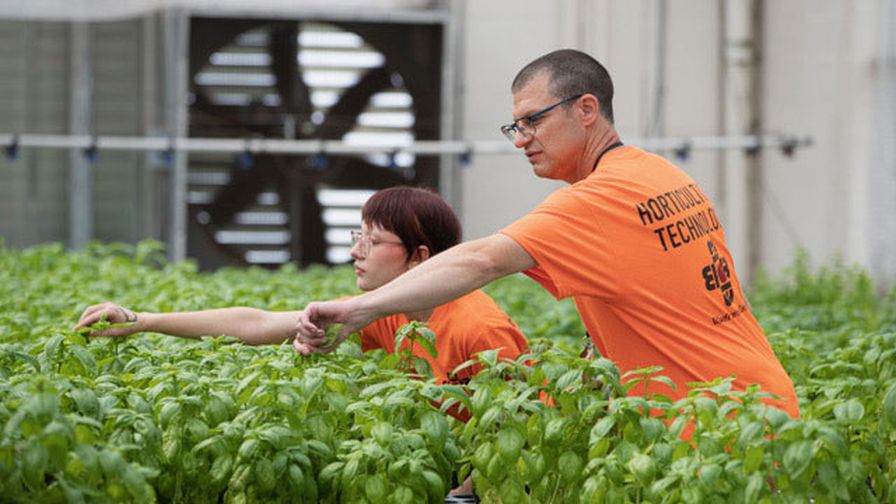
At the DMG, students work directly with greenhouse staff to learn about and produce high-quality food and ornamental plants for the Pittsburgh region. | Manchester Bidwell Corp.
Bidwell is also renovating its 44,000-square-foot Drew Mathieson Greenhouse (DMG) with support from the Pennsylvania Department of Agriculture (PDA) and the Richard King Mellon Foundation (RKMF), adding systems such as Dry Hydroponics and an environmental management system that students can learn on in real time. The renovation will also connect to an urban farm shop concept intended to serve the surrounding community, which Gott describes as a food desert.
A Clearer Path Forward
If the industry wants to bring more people in and keep them, it must make career growth visible and realistic.
On the employer side, that can look like clearer advancement tracks, mentorship, training plans, and benefits that support long-term stability. On the training side, it means preparing graduates not only with horticultural knowledge, but also with the professional habits and digital skills that modern operations increasingly require.
For Tempel, development is the difference between a job and a career. People want to know what’s next and how to get there. Gott hears the same from employers: the best hires are not always the most specialized, but the ones ready to learn, communicate, and grow.
Subscribe to eNewsletter
