



How Smarter Heating and Cooling Controls Reduce Greenhouse Risk
 February 21, 2026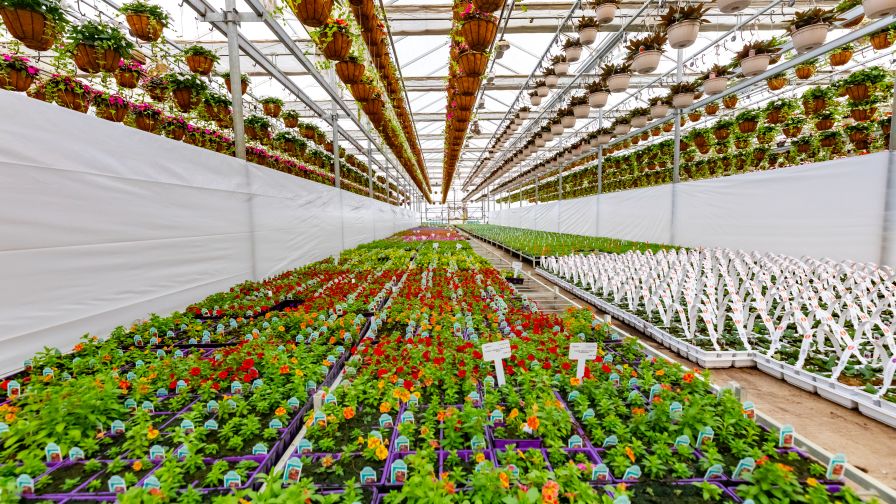
Operations at Hortica customer Timbuk. | Hortica
Heating and cooling failures have always posed a threat to greenhouse operations. What’s changed is how quickly those failures can now translate into real loss.
Weather volatility, tighter production schedules, rising replacement costs, and longer repair timelines have reduced the margin growers have to absorb disruption. When heating and cooling systems go down — even briefly — the impact can extend to crop health, fulfillment timelines, and revenue.
At the same time, greenhouse operations increasingly rely on automated climate controls and connected equipment to maintain stable growing conditions across facilities. That reliance improves efficiency but also changes how failures occur. Electrical or mechanical issues can cascade across systems or go unnoticed until damage is already done.
Compounding the risk, heating and cooling systems often represent some of the most valuable assets in a greenhouse, yet their replacement value is frequently underestimated on insurance policies. When a failure occurs, coverage gaps can amplify losses — particularly when an initial disruption triggers secondary impacts across crops, operations, or connected systems.
In this environment, smarter heating and cooling controls play an important role by improving visibility, accelerating response, and helping growers manage both operational and financial risk.
Sensors for Early Detection and Loss Prevention
Sensors are sometimes viewed as optimization tools for fine-tuning conditions, but their greatest value lies in early detection and loss prevention.
Temperature, humidity, and moisture sensors act as early warning systems, identifying small changes before they escalate into major failures. Instead of discovering a problem after plants show signs of stress, growers can respond sooner — while corrective action is still possible.
The effectiveness of sensors depends on using them intentionally, not excessively. Strong sensor strategies focus on the points where failure would cause the greatest disruption.
When implemented thoughtfully, sensors provide the visibility needed to reduce loss severity and, in some cases, prevent claims altogether. Effective practices include:
- Identify critical heating and cooling components that would immediately threaten plant health or operations if they failed.
- Set alert thresholds based on crop tolerance and operational risk, not just equipment specifications.
- Define who receives alerts and what actions they are expected to take.
- Regularly test alerts, especially before peak heating or cooling seasons, so response plans work in practice.
Turning Data Into Better Decisions
Sensors and smart controls generate valuable information, but the goal extends beyond data collection. The real value comes from using monitoring insights to support better decisions across the operation.
Over time, patterns in temperature fluctuations, system strain, or repeated alerts can reveal where failures are most likely to occur. That insight allows growers to:
- Address maintenance issues before they lead to breakdowns.
- Plan for and prioritize upgrades where risk is highest.
- Demonstrate disciplined risk management practices to insurers.
In many cases, these steps contribute to improved insurability and more stable long-term costs. A small investment in early detection can pay off by reducing both the frequency and severity of losses.
Planning for the Inevitable: Breakdowns Still Happen
Even the best-designed and maintained systems can fail. When they do, preparation — including having the right insurance coverage — often determines the extent of disruption and the speed of recovery for your business.
Two factors frequently complicate recovery. Inflation has increased repair and replacement costs, while supply chain constraints can extend wait times for specialized equipment and parts. Together, these pressures can push recovery timelines well beyond what many insurance policies were originally designed to address.
Equipment Breakdown Coverage can help address sudden and accidental failures of electrical, mechanical, or pressurized systems. For greenhouses, this may include boilers, compressors, climate-control systems, and automation equipment — failures that often result in downtime and, in some cases, plant spoilage.
Growers can take practical steps to make sure coverage keeps pace with current costs:
- Reviewing current replacement values for heating and cooling systems.
- Confirming your Equipment Breakdown Coverage reflects today’s actual equipment costs.
- Accounting for potentially longer rebuild or repair timelines in business interruption planning.
- Keeping an updated inventory of critical systems and components.
Insurance doesn’t prevent failures, but it can play a critical role in supporting faster recovery when something goes wrong.
Cyber Exposure: An Increasingly Relevant Risk
As heating and cooling systems become more connected, cyber risk becomes part of the operational picture. Climate-control platforms, remote monitoring tools, and vendor-managed systems improve efficiency but also increase exposure.
Greenhouses are increasingly attractive targets because attackers assume smaller operations have fewer safeguards. A compromised system can disrupt temperature controls, shut down operations, or slow recovery during critical periods.
Basic controls can significantly reduce risk:
- Limit system access to employees who truly need it.
- Enable multifactor authentication where available.
- Separate operational technology from administrative systems when possible.
- Regularly backing up system data and testing restoration procedures.
Cyber liability coverage varies widely. Growers should understand what their policies cover and how cyber incidents affecting connected systems are handled.
Checklist for Heating and Cooling Risk
Before the next heating or cooling season ramps up, greenhouse owners should take time to step back and assess readiness:
- Review heating and cooling system values and confirm coverage reflects current replacement costs.
- Ensure sensors and automation equipment are properly scheduled on insurance policies.
- Test alert thresholds and escalation plans.
- Validate cybersecurity controls on connected systems.
- Align business interruption planning with realistic repair and recovery timelines.
Heating and cooling systems will always be central to greenhouse operations. Early action — paired with strong controls and informed coverage decisions — can significantly reduce loss potential and support faster recovery when disruptions occur.
Subscribe to eNewsletter