



Allan Armitage: Amidst Change, Opportunities Are Opening for Greenhouse Growers
 February 28, 2022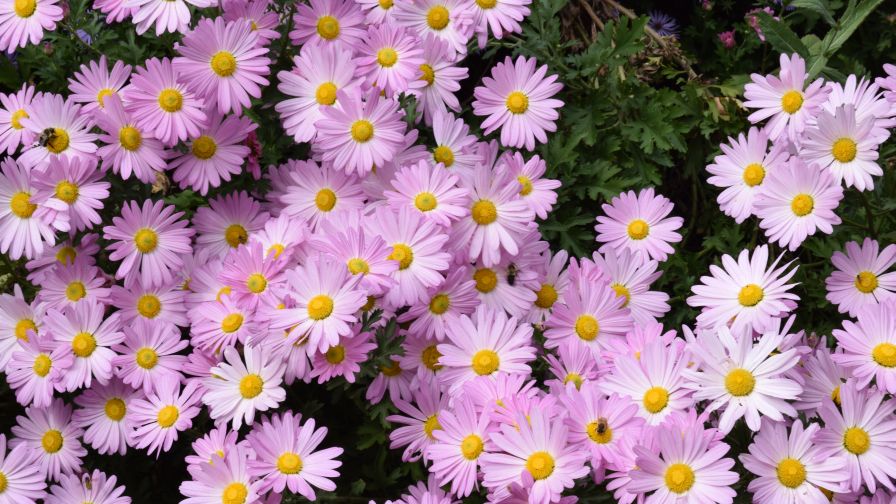
More people spending time at home means gardening will continue to thrive in 2022. Photo: Allan Armitage
I talked with friends who went to MANTS in Baltimore, MD, in January. COVID-19 has been resurrected (again), resulting in many people being unable or unwilling to travel. I was one of them, having contracted the virus over the Christmas holidays.
However, for those who made it, MANTS was a success. As nurseryman Rick Watson of The Perennial Farm said, “Those who wanted or needed to get there made it, but without their entourage, so we had more face time with colleagues.” As always when like-minded people get together, the woes of the business are always discussed.
It was a very positive fall following a very robust spring 2021 season for most segments of the business, but the difficulties with getting bare-root material from Holland, Japan, and elsewhere are becoming obvious. This is not because of lack of plant material, but because of distribution logistics – there are too few ships to carry the material, with too few people to offload the material and too few trucks to deliver them. This results in orders being written today for the fall of 2023.
A Return to Normal Also Brings Change
With the inability of many of us to travel and feel the pulse in the last two years, it has been difficult to see the near future, let alone the long term. However, with MANTS, the Tropical Plant International Expo, California Spring Trials, and Cultivate back in business, perhaps a return to a bit of normal may occur this year.



However, there is no doubt that almost everything has changed, from the ground up.
- Gardening has changed – my neighbors and my friends are more engaged, perhaps because they have had more home time. This will be a raucous spring at the garden centers.
- The landscape business has also changed. Instead of orders for 100 clumps of Panicum, 300 are being ordered.
- The growing business has changed. For better or worse, larger nurseries are hoarding, resulting in higher costs and the inability of many smaller businesses to obtain product.
- The new plant business is changing. The desperate demand for bread-and-butter plants is resulting in less of a demand for new introductions. New introductions will always be important, but perhaps the flow of new will be somewhat diluted by the need of old.
Change, change, change – this business of ours may not be pretty, but is there anywhere else you’d rather be?
Subscribe to eNewsletter