


Highlights from 2025 Field Trials: Mast Young Plants
(Information provided by Brian Weesies, General Manager)


View all
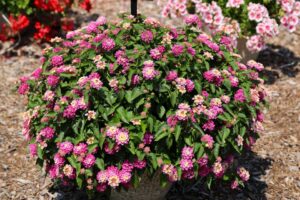
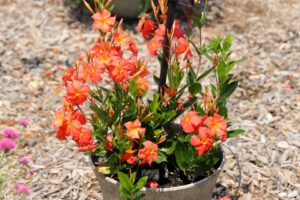
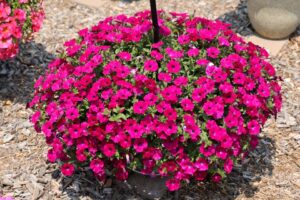
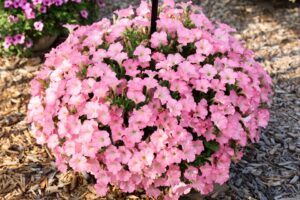





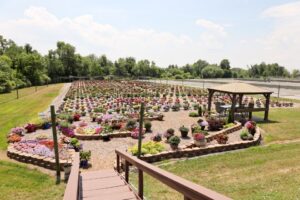
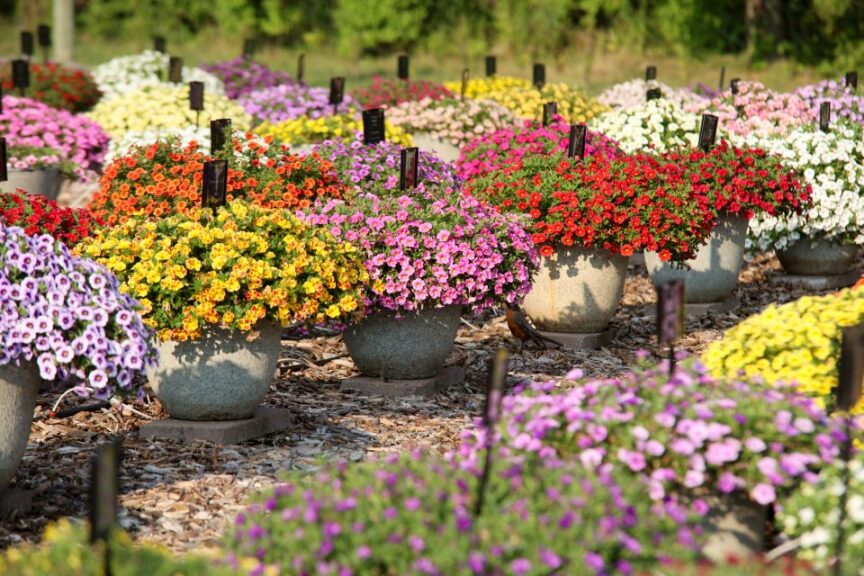
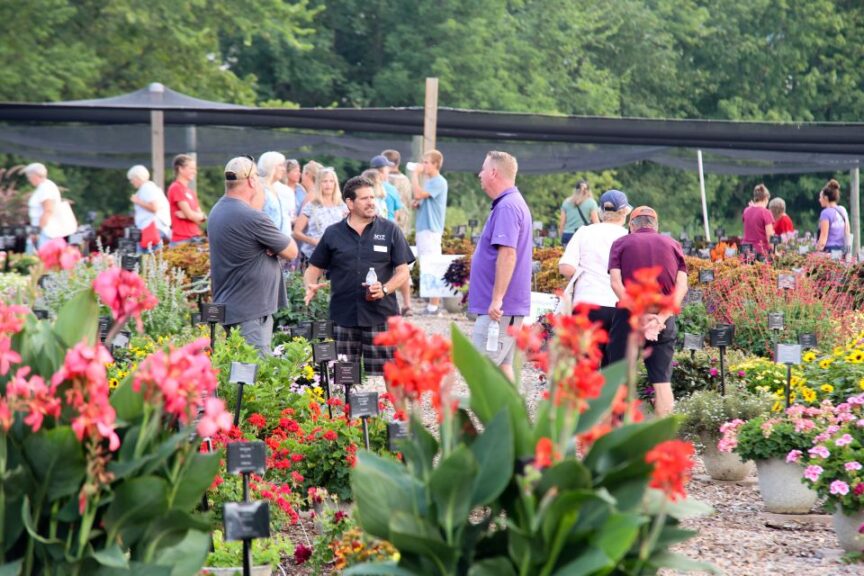
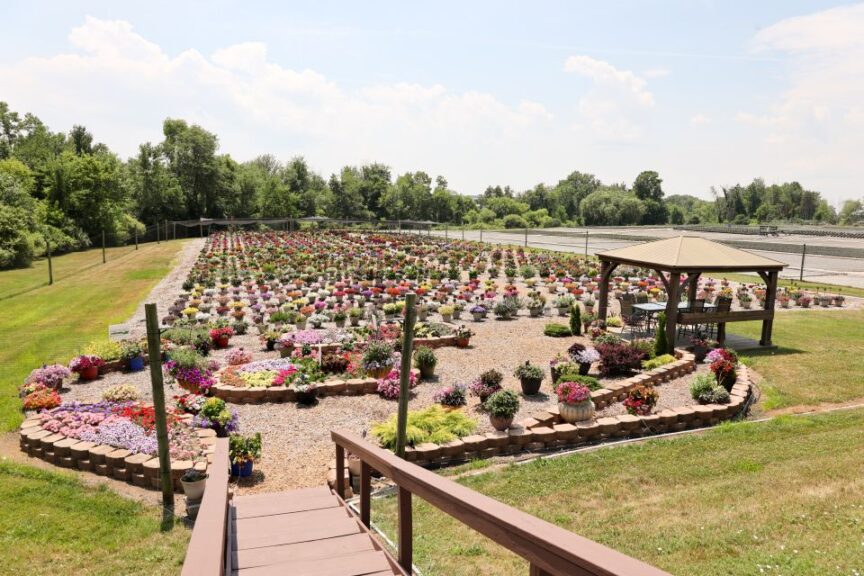
Mast Young Plants, based in West Michigan, structured its 2025 trials around several key questions coming from growers and gardeners — how different fertilizer strategies perform over a full season, whether water-storing polymers can reliably reduce irrigation needs, and which new genetics deserve a spot in future programs. Temperatures were similar to 2024, but overall rainfall was noticeably lower, giving the team a good look at how plants handled a warm, relatively dry summer.
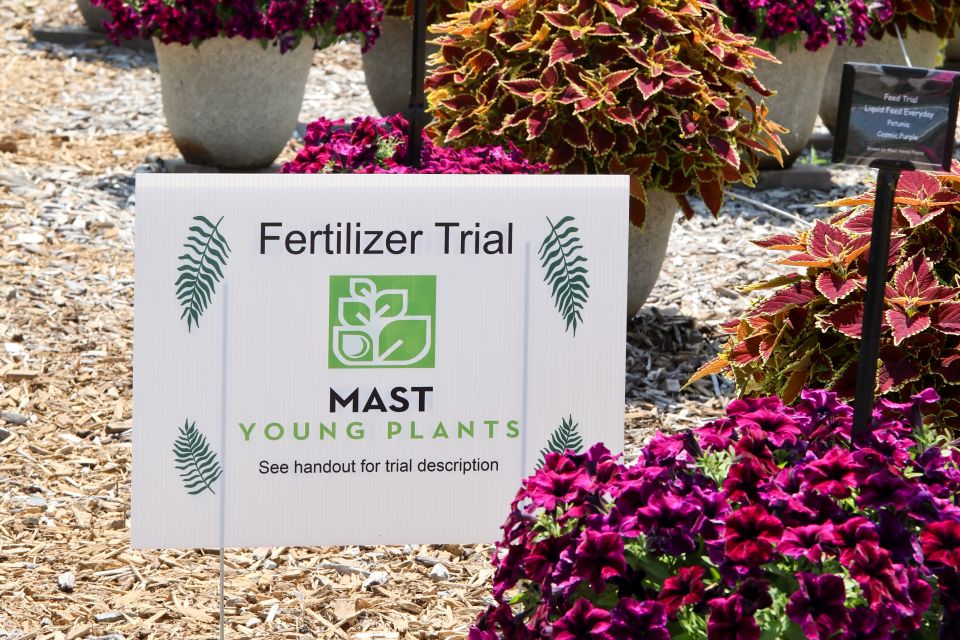
Mast Young Plants Fertilizer Trial. | Brian Weesies, Mast Young Plants
Like last year, Mast ran a fertilizer comparison, adding new treatments based on feedback from the 2024 trial. This season, it tested two controlled-release fertilizer (CRF) timings (three to four months and five to six months), a liquid feed at 150 ppm applied daily (the standard program), a liquid feed at 150 ppm applied once a week with clear water on the other days, and a no-fertilizer control. The results reinforced how critical steady nutrition is for producing high-quality plants that look good all season. The trial also showed which crops tolerate leaner feeding the best. Begonias and coleus stood out as the most forgiving under low-fertilizer conditions.
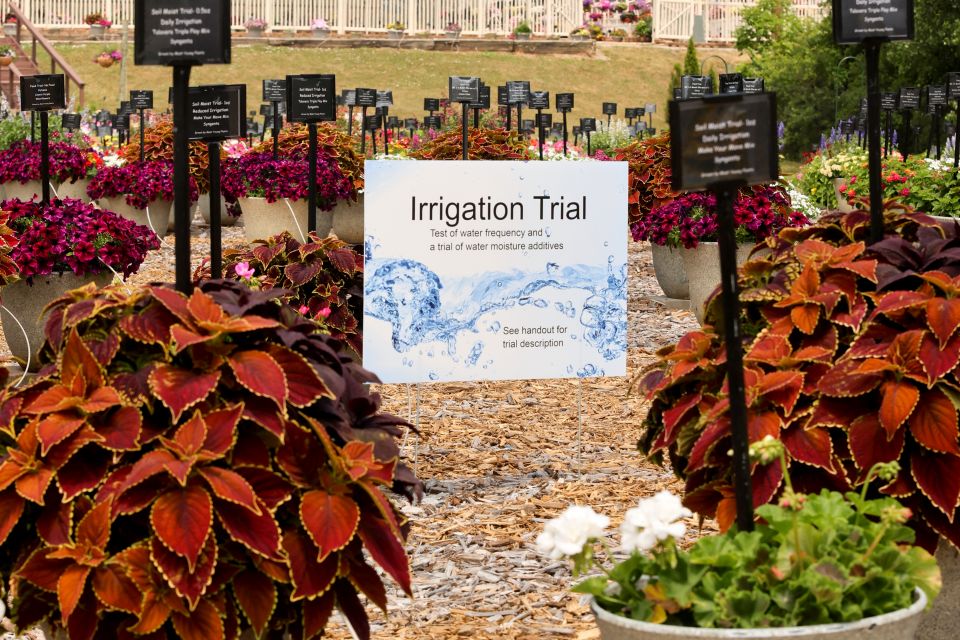
Mast Young Plants Irrigation Trial. | Brian Weesies, Mast Young Plants
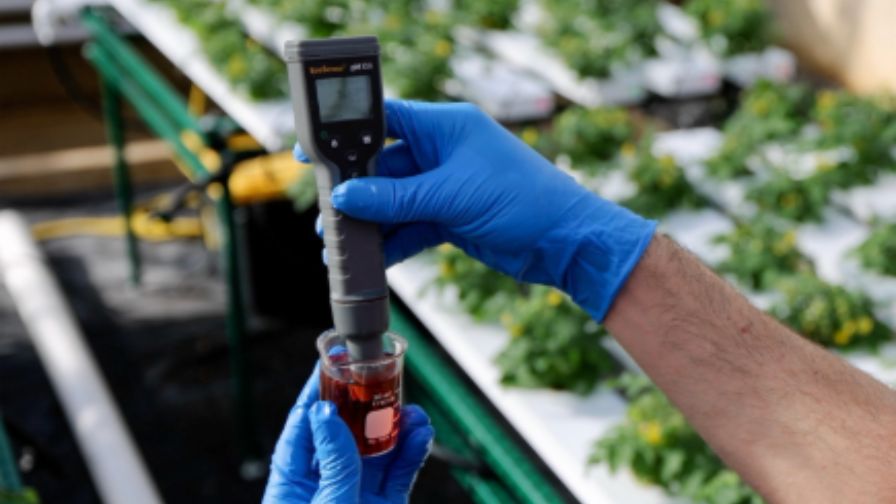

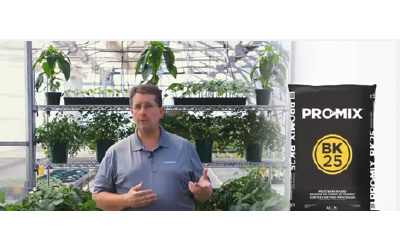
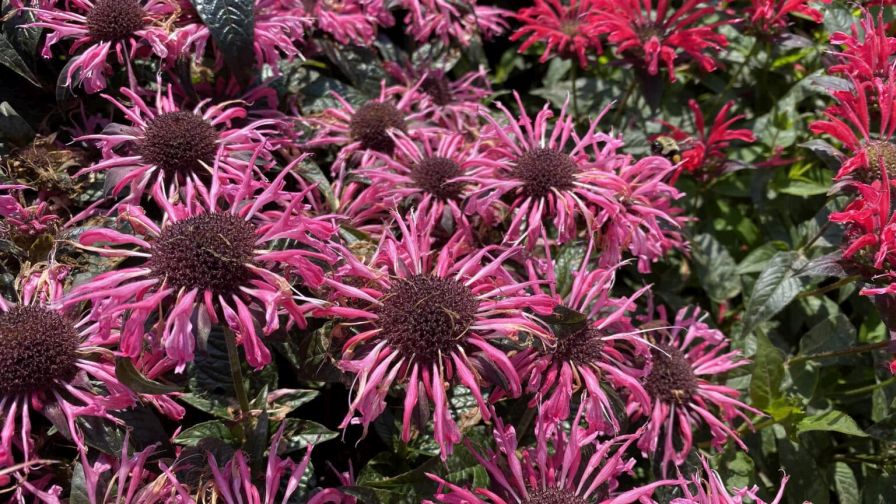

A second project focused on water-storing polymers and whether they could truly cut back on irrigation frequency. Using Syngenta Patio Playbook combinations, Mast trialed three rates: 0.5 oz per pot, 1 oz per pot, and a control with no polymer. Each treatment was grown under both regular irrigation and a reduced irrigation schedule to highlight any differences in water use and performance. In the end, the polymers did not show enough benefit to recommend them as a standard input across all potted crops, especially considering the added cost and labor. However, the half-rate (0.5 oz) showed some advantages under reduced irrigation, suggesting polymers may offer modest benefits under water-stressed conditions rather than as a universal solution.
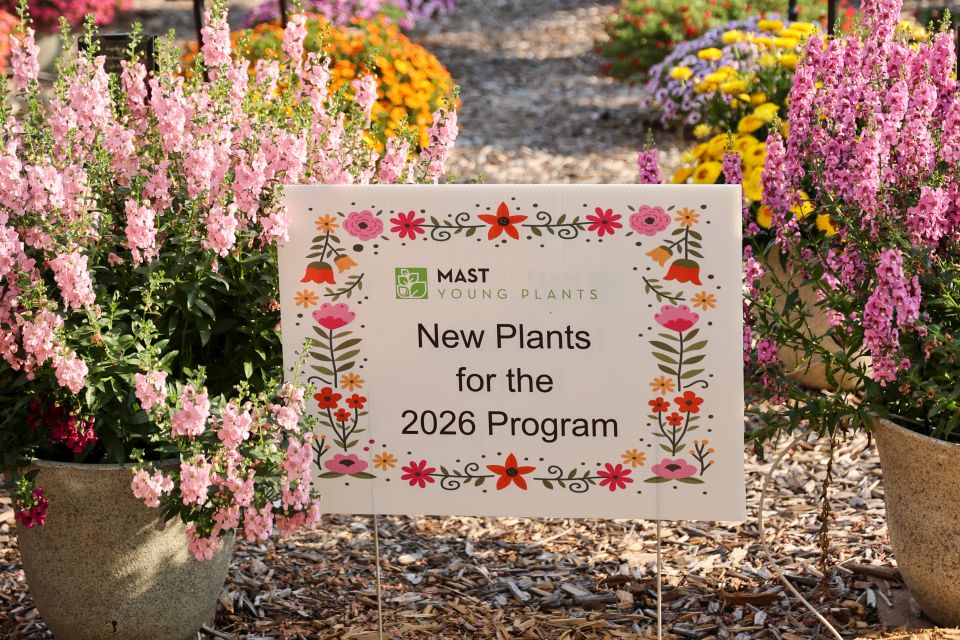
Mast Young Plants New Plants for the 2026 Program. | Brian Weesies, Mast Young Plants
A third focus for 2025 was a dedicated trial of Kientzler varieties that are not currently in the Mast Young Plants catalog. This allowed the team to evaluate potential additions and gather feedback directly from visitors. Throughout the season, garden guests voted on their favorites, helping guide future program decisions. Based on this trial and visitor input, Mast is adding Coleus scutellarioides TerraScape ‘Pink Ribbons’ and Calibrachoa x hybrida Unique ‘Sangria Fizz’ to its 2026 program.
The biggest challenge of the season came from suspected insect damage on crops such as New Guinea impatiens, Torenia, and Ipomoea. Initial sprays did not provide the expected level of control, and the team briefly questioned whether early-season herbicide applications to woodchips beneath the pots might be playing a role. Lab testing ultimately confirmed spider mites as the culprit. Pressure remained high through the summer, and affected crops never really reached their full potential in the display, despite the rest of the garden performing well.

Mast Young Plants Trial Breakdown. | Brian Weesies, Mast Young Plants
Plants That Impressed at Mast Young Plants’ 2025 Field Trials
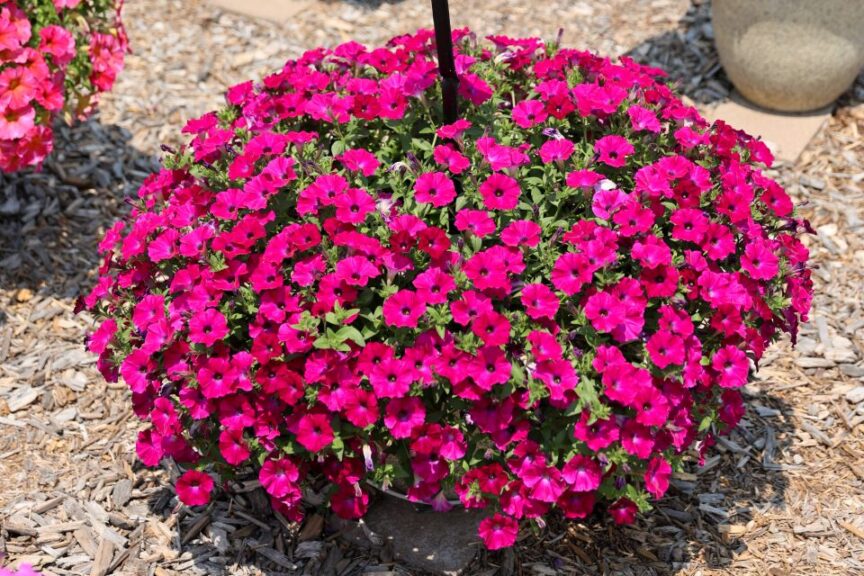
Petchoa Petchoa hybrida SuperCal® Blue Eyed Rose (Sakata)
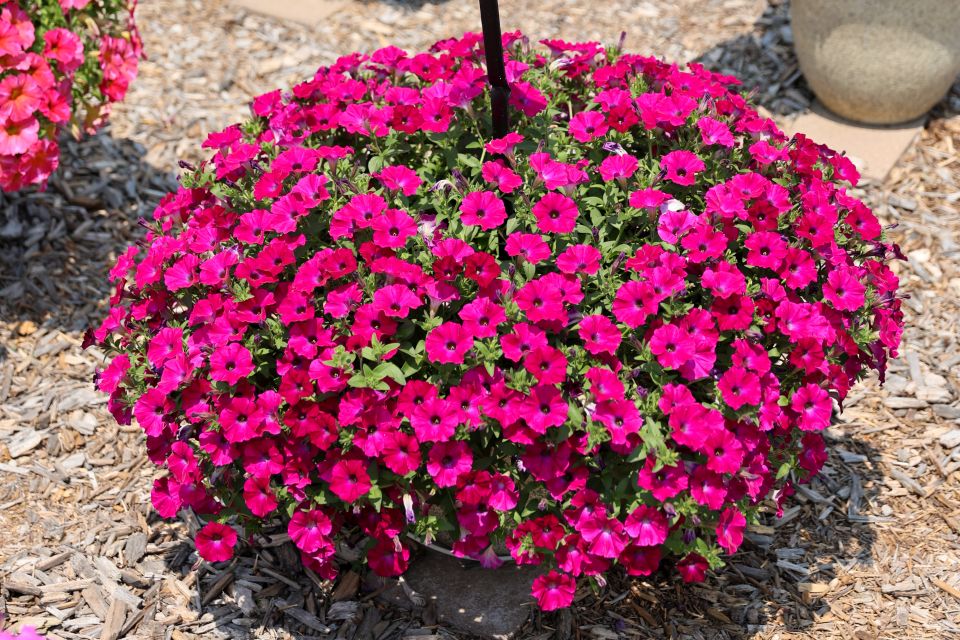
Petchoa Petchoa hybrida SuperCal® Blue Eyed Rose (Sakata). | Brian Weesies, Mast Young Plants
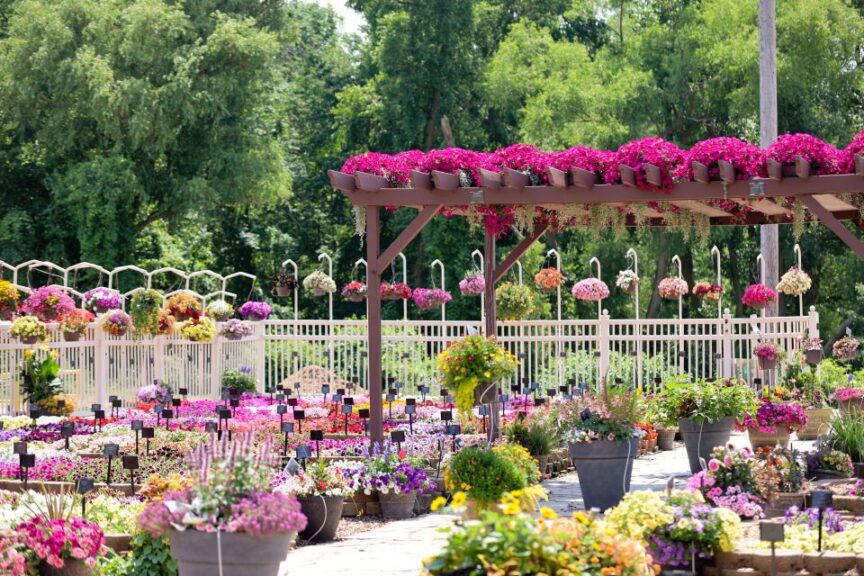
Each year, the team makes a point of choosing an exceptional variety to feature on top of the pergola at the center of the Mast Young Plants trial garden — the showpiece of the space. After first seeing this variety at CAST 2025, its bright color immediately stood out. The name is spot-on: vivid rose petals surrounding an even more intense blue center. That color impact, combined with the strong reputation of the SuperCal series, gave the team confidence to put it in their most prominent location. It did not disappoint; all season long, visitors were asking, “What variety is on top of the pergola?”
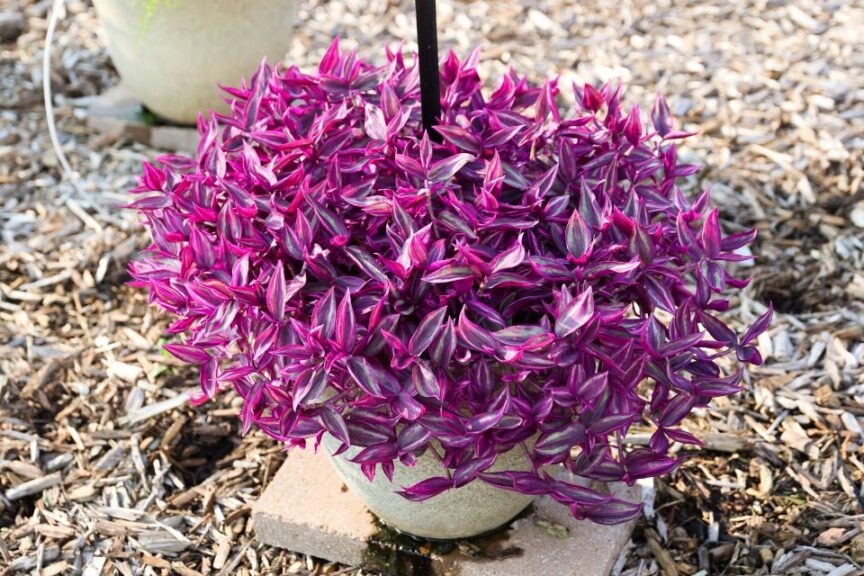
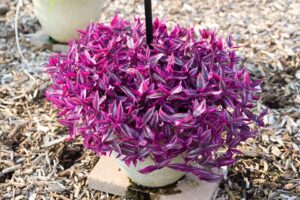
Inch plant Tradescantia zebrina hybrid Pink Paradise (ForemostCo.)
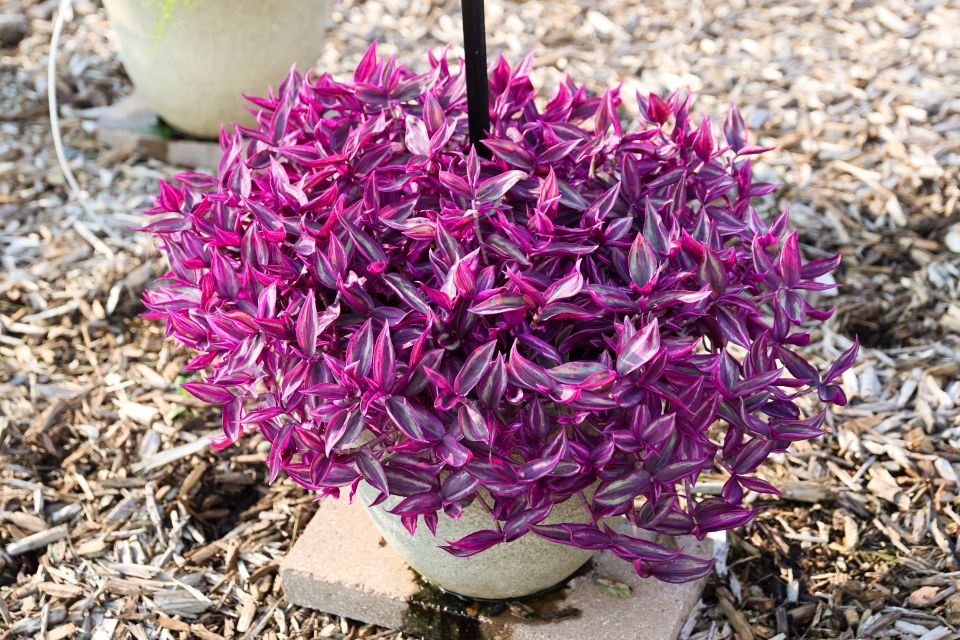
Inch plant Tradescantia zebrina hybrid Pink Paradise (ForemostCo.). | Brian Weesies, Mast Young Plants
Tradescantia Pink Paradise was a hit with visitors from the start. It was first trialed in winter and early spring of 2025, where it quickly became a favorite for its bright foliage color even in greenhouse conditions. The big question was how it would handle summer heat. Out in the garden, it proved itself again, shining both as a stand-alone new-variety pot and as a focal point in shade combinations. Mast Young Plants is excited to offer this variety to growers and retailers for spring 2026.
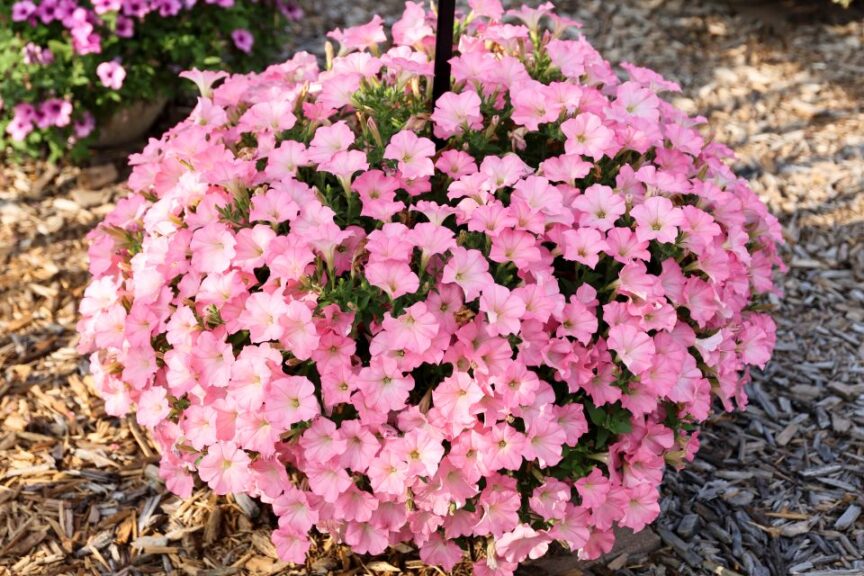
Petunia Surfinia® Cashmere Pink (Suntory Flowers)
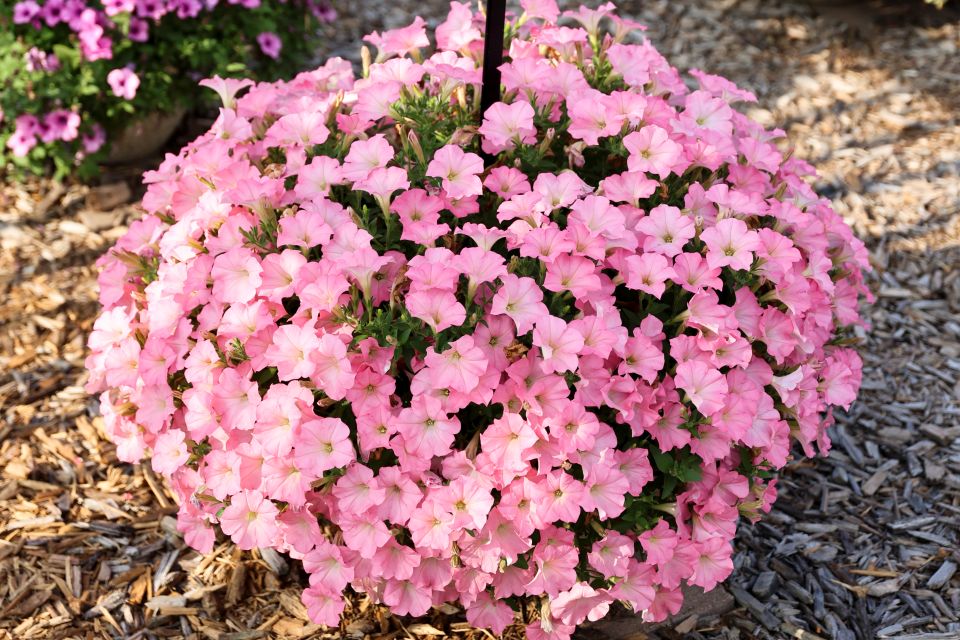
Petunia Surfinia® Cashmere Pink (Suntory Flowers). | Brian Weesies, Mast Young Plants
Surfinia® Heavenly Cashmere Pink stood out as a petunia that held its shape and delivered massive, consistent color all summer long. While some petunias can split open in the center as they size up, this one stayed full and cohesive from season start to finish. The team has photos from early summer through late season, and the plant looks strong in every single shot.
Top-Rated and Best-Performing Varieties for 2025:
- Inch plant Tradescantia zebrina hybrid Pink Paradise (ForemostCo.)
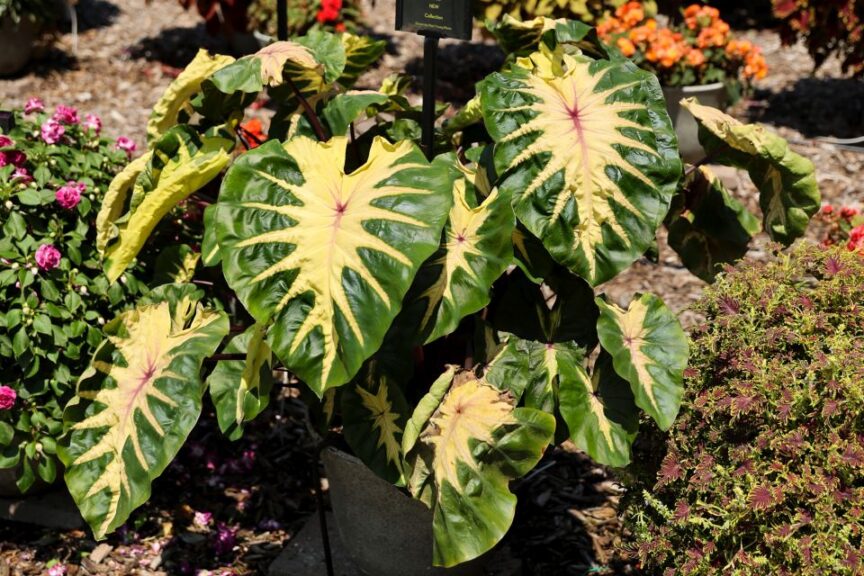
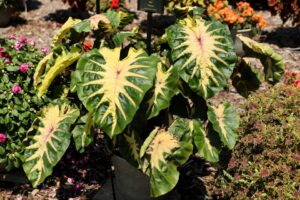
- Colocasia Colocasia esculenta Royal Hawaiian ‘Waikiki’ (PlantHaven)
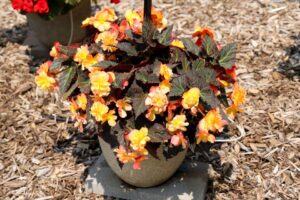
- Begonia Begonia x hybrida iCandy™ Lemon Yellow (Syngenta Flowers)
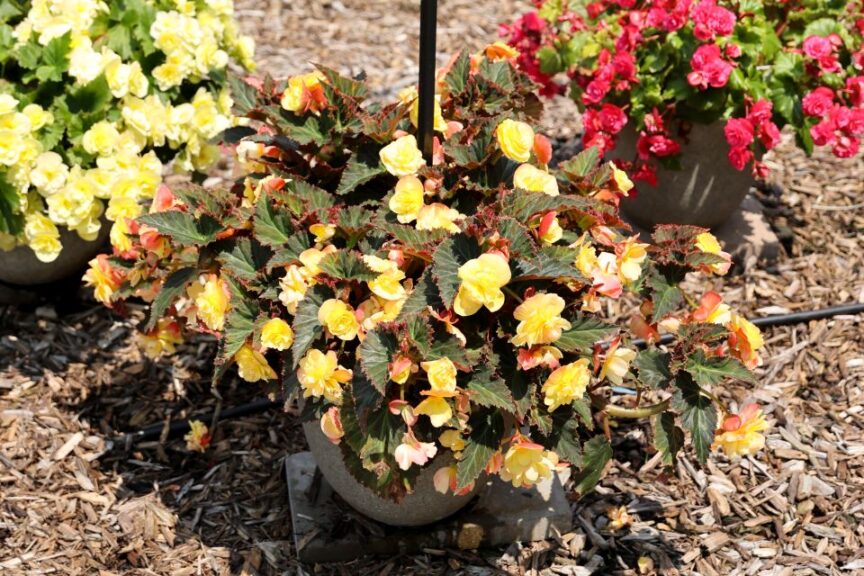
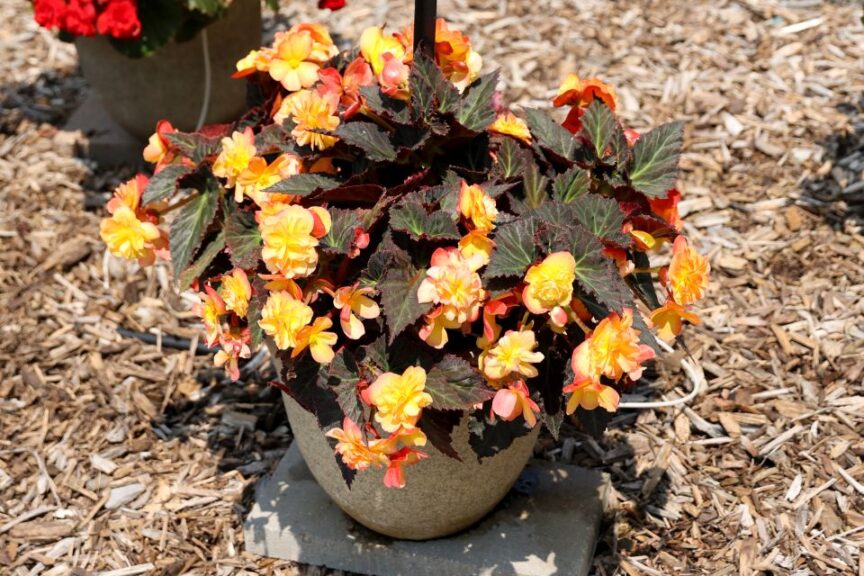
- Begonia Begonia x hybrida iCandy™ Sunset (Syngenta Flowers)
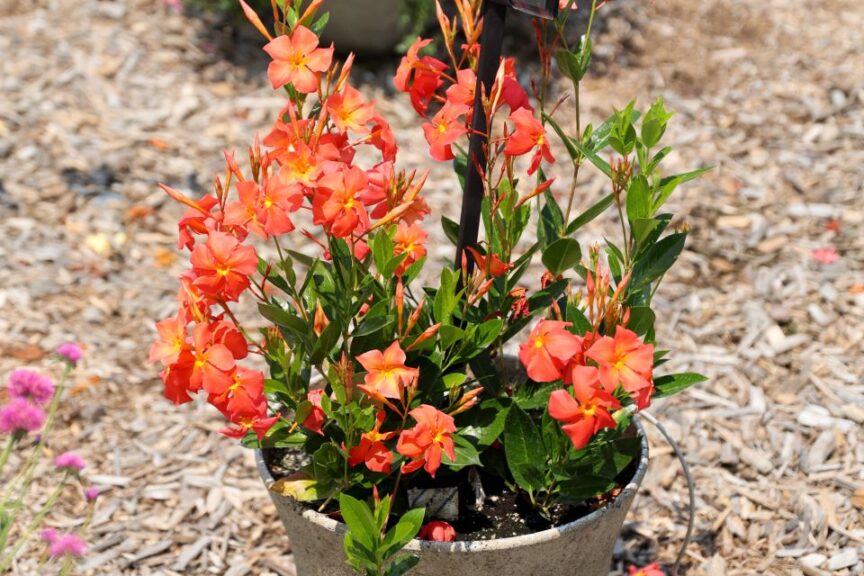
- Mandevilla Dipladenia hybrid Sun Parasol® Fired Up® Orange (Suntory Flowers)
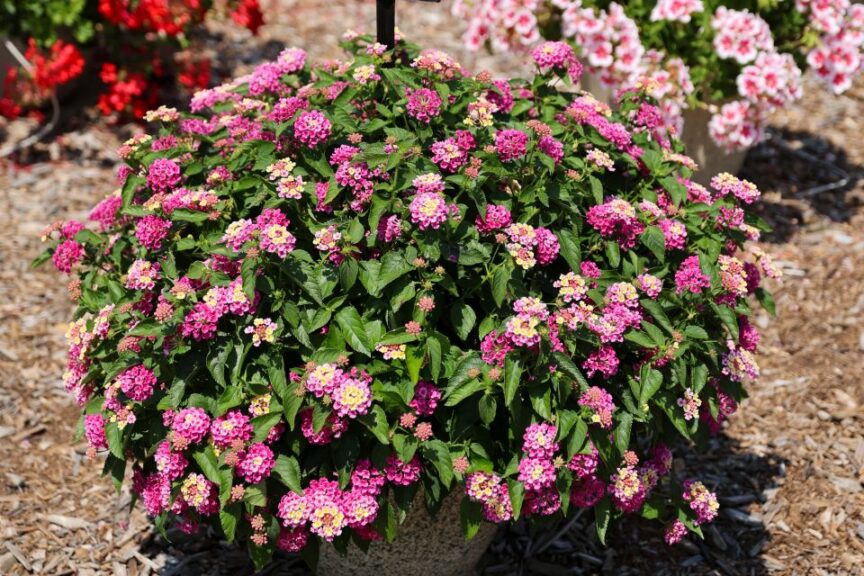
- Lantana Lantana camara Bandolista™ Pink Lemonberry (Syngenta Flowers)
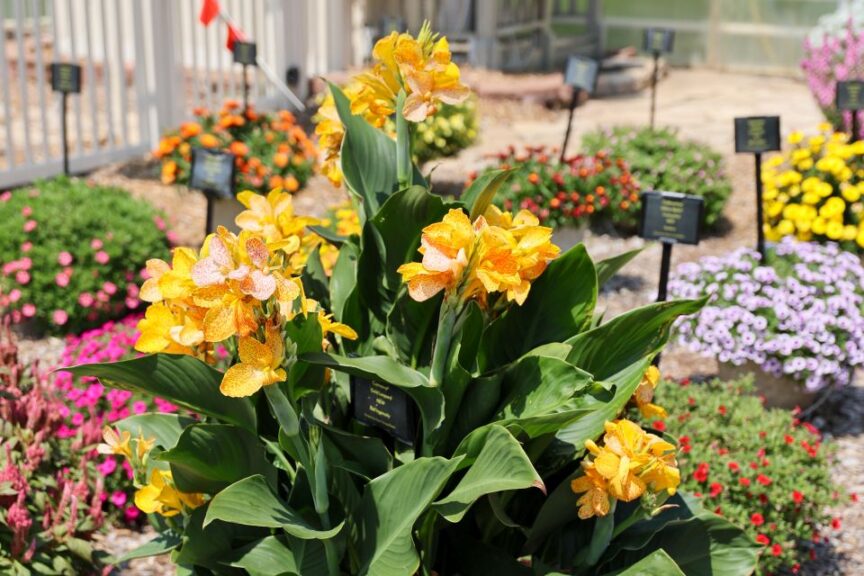
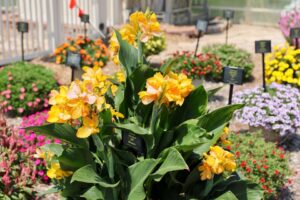
- Canna Canna x generalis Cannova® Gold Leopard (American Takii)
- Petchoa Petchoa hybrida SuperCal® Blue Eyed Rose (Sakata)

Growing summer trials is stressful, but very rewarding. We enjoyed this season so much, thanks to the steady stream of positive feedback and comments from visitors. It was a hot summer, and we loved seeing growers, breeders, retailers, and brokers coming out in droves to walk the garden regardless of the weather. There’s nothing quite like being out there and watching plants perform in the heat. We’re grateful to be part of this event each year.
Full trial garden results, photos, and data are available in a comprehensive Trial Garden Report on the Mast Young Plants website under the Trial Gardens tab: https://www.mastyoungplants.com/trial-gardens-at-mast-young-plants/.
For more 2025 field trials information and variety highlights, click here.
Subscribe to eNewsletter