


Perennials with Fall Appeal: Planning Now for Next Year
When it comes to fall sales, chrysanthemums dominate. Consumers are accustomed to picking up a pot of mums as the season shifts. However, that leaves an opportunity on the table. Fall is the second biggest decorating season after Christmas in terms of consumer spending, and perennials can offer growers and retailers more diversity, staying power, and profitability than mums alone.



View all

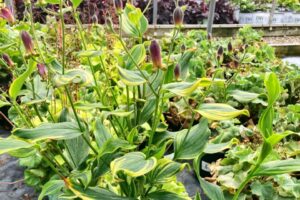
At this year’s Perennial Plant Symposium in Des Moines, IA, a panel of breeders and growers shared their strategies for building fall perennial programs. Representing Darwin Perennials, Quality Greenhouses, Walters Gardens, and Willoway Nurseries, the panelists highlighted both production practices and market insights that can help growers prepare now for next year’s fall season.

Perennials vs. Mums
In addition to their decorative appeal, panelists also emphasized the long-term benefits of planting perennials in the fall. Establishing plants later in the year gives them time to develop stronger root systems, which can lead to better size, vigor, and performance the following spring. Promoting fall planting not only helps retailers drive seasonal sales but also sets gardeners up for greater success the next year.
Mums may still be the default choice for consumers, but perennials bring a different value proposition:

Mums: Instant color, affordable, but often disposable.
Perennials: Frost-tolerant, offer texture and durability, with value that extends beyond one season.
The opportunity isn’t to replace mums, but to complement them. Pairing perennials with traditional fall décor expands options for consumers while giving growers new ways to drive revenue.
Scheduling for Fall Success
Laura Robles, Regional Manager for Walters Gardens, emphasized that fall performance starts with variety selection and scheduling. The goal is to use crops that thrive in summer heat but still deliver color and quality into autumn.
“Choose varieties that can be programmed for fall,” says Robles. “They need to handle summer production and still look fresh and market-ready by September.”
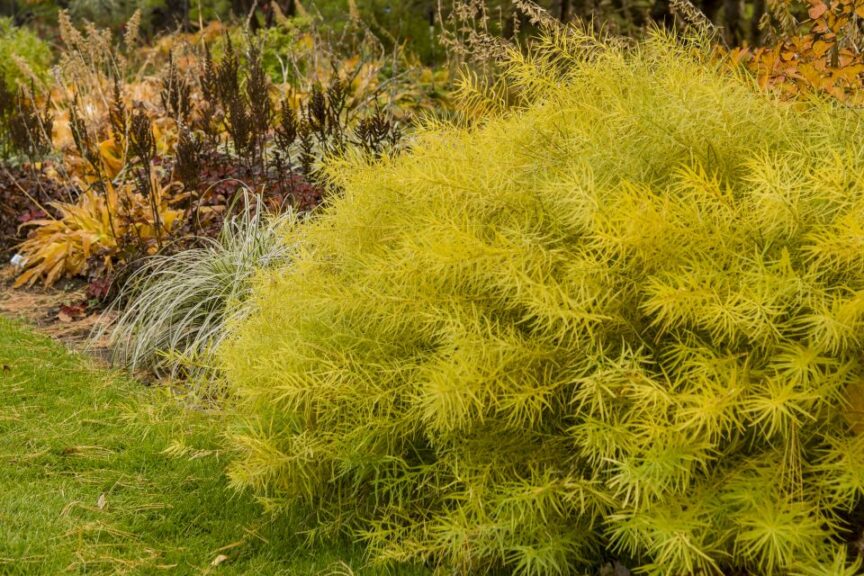
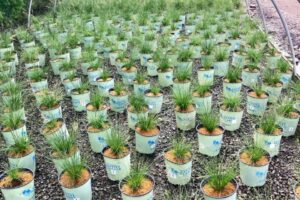
She pointed to crops like Amsonia, which, when planted bare root in late June, can bulk up quickly in a premium 1-gallon container. While Amsonia won’t flower in the fall, its fantastic golden-yellow foliage color creates strong seasonal appeal.
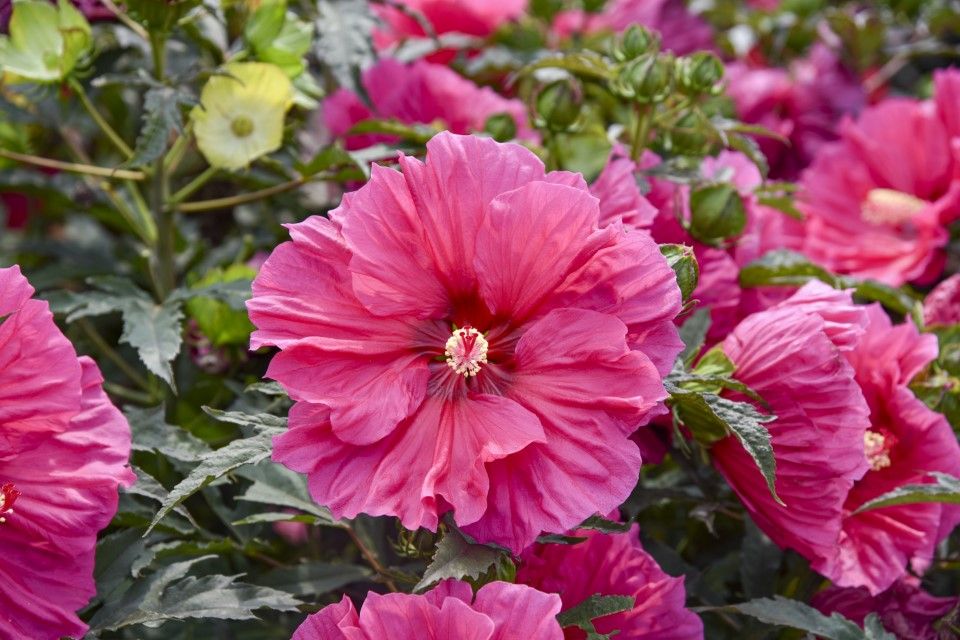
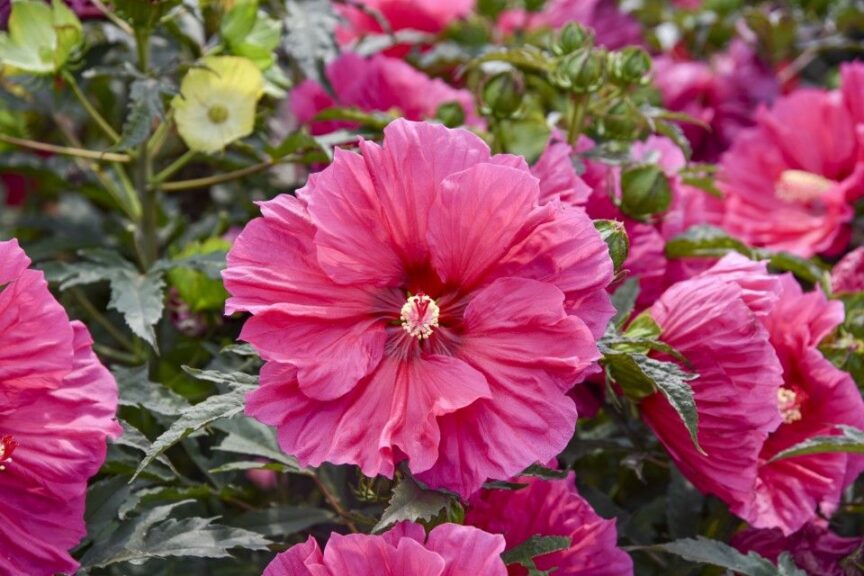
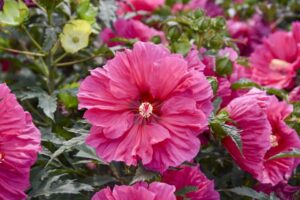
Similar scheduling strategies apply to Heliopsis, Hibiscus, Kniphofia, Leucanthemum, Stokesia, and Vernonia. Across these genera, plugs planted in late June or early July can finish in 7- to 10- weeks for strong late-season sales. Plants benefit from light plant growth regulator applications early in production but often require little regulation in summer conditions. Container sizes vary by crop, but most perform best in premium 1-gallon containers, with Hibiscus and other larger varieties well-suited to 2- to 3-gallon sizes.
Why Perennials Deserve a Bigger Role
Christopher Fifo, Product Representative for Darwin Perennials, urged growers to think beyond mums when it comes to fall color. “Why should mums get all the glory?” he says. Perennials, he explained, are a natural late-season item. They offer frost and freeze tolerance, long bloom times, and striking textures that hold up when annuals are winding down. They also provide long-term garden value, which is increasingly appealing to consumers who want sustainable, lasting choices.
Fall consumer behavior supports the case. It’s the second highest decorating season, and shoppers are looking for a change in scenery at retail. Positioning perennials as part of seasonal décor is one way to elevate them at the garden center. So how do we create demand? Fifo recommends leaning into decorative containers, pot covers, and well-designed retail displays that present perennials as ready-made seasonal accents.
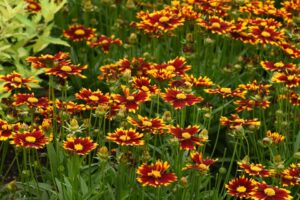
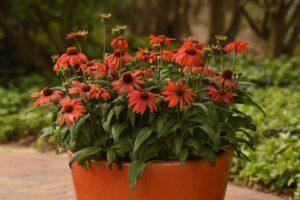
“Echinacea is one of the best for fall,” says Fifo. “Great fall colors, easy to grow and schedule in the summer heat, long bloom time, and lasts well past frost.” He also pointed to Lavandula, Coreopsis, Dianthus, Rudbeckia, and Helenium as other dependable fall favorites.
Across all crops, growers should note that first-year flowering varieties are especially valuable for fall programs. They must tolerate summer production, bloom reliably into fall, and most importantly, look great at retail. He also recommends the First-Year-Flower Scheduling Tool, an online resource that helps schedule crops for first-year flowering. “It’s a quick way to match varieties with production timing,” Fifo says, “So you can be confident about hitting your target sales window.”
By choosing the right varieties, scheduling production carefully, and investing in retail presentation, growers can expand beyond mums and capture consumer enthusiasm for perennials. With fall foliage color, long-lasting blooms, and frost tolerance, perennials bring durability and versatility to the garden center — giving growers a way to diversify offerings, drive sales during a peak decorating season, and build more resilient programs.
Subscribe to eNewsletter