



Expanding the Appeal of Fragrance in Floriculture Marketing
As the floriculture industry looks ahead to 2025, one thing is clear: consumer expectations are evolving, and the next wave of growth may come from places we haven’t fully explored. One of those places? Scent.
In a recent takeover episode of The Bloom Show, Dr. Melinda Knuth, Assistant Professor at NC State University and host of the Growing the Future podcast, offered a refreshing take on floriculture marketing. Rather than presenting a finished case study, she shared a research-driven hypothesis: “Could scent be a meaningful, untapped layer of the floral experience?”
Drawing from horticulture research and a decade of work in floral consumer studies, Dr. Knuth posed questions the industry hasn’t seriously asked in years. Can scent shape consumer preferences in floriculture? Would people pay more for a scented bloom? Could strategic fragrance help florists create emotional connections with buyers?
From Curiosity to Research — How Scent Entered the Floral Conversation
“The smell may be more important than we understand,” Dr. Knuth says during the episode. This insight sparked her exploration into how fragrance might play a larger role in how consumers perceive and select flowers.

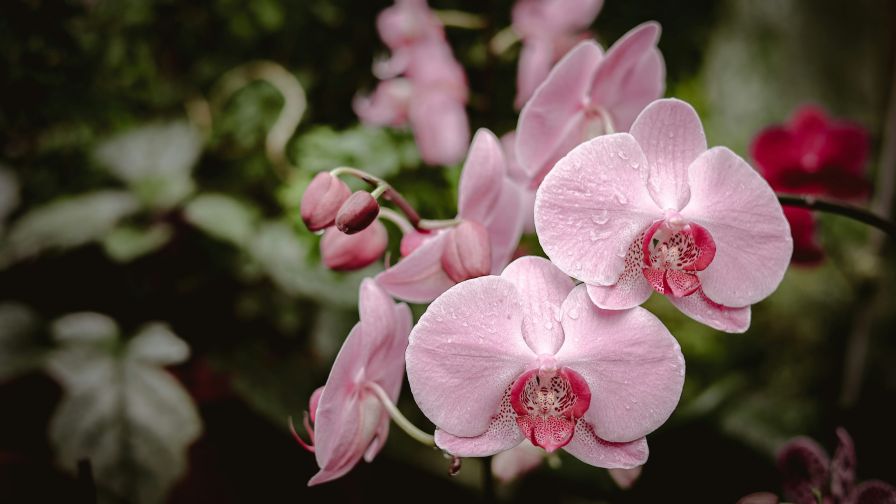
That’s exactly how her interest in scent began: through conversations with designers, growers, and retail professionals who mentioned fragrance as an overlooked part of the floral experience. Some described how a bloom’s scent added unexpected depth to a design. Others wondered why so many cut flowers no longer had a noticeable aroma.
What We Know About Scent and the Brain
Scent isn’t just about preference — it’s rooted in how the human brain processes memory and emotion. Dr. Knuth explained how scents are detected through volatile organic compounds (VOCs), many of which are naturally produced by flowers. These VOCs interact with the brain’s limbic system, the same region responsible for emotion, behavior, and memory.
It’s why a single whiff of lavender can make someone feel calm, or why roses might remind a customer of a childhood memory.
Asking the Right Questions
“Will people pay more money for a scented versus an unscented flower if they look exactly the same?” Knuth asks. “Or are they going to pay more attention to those flowers, meaning they’re more likely to spend more time looking at it?”
So, Dr. Knuth and her colleagues began asking:
- Will people pay more for scented flowers?
- Does scent increase the time consumers spend evaluating flowers?
- Could fragrance lead to stronger brand recall or in-store engagement?
While we don’t have definitive answers yet, the very act of asking has already shifted the conversation within the floriculture industry.
Marketing Implications for Florists and Breeders
For florists, this research invites experimentation. Could scent diffusers near point-of-sale areas subtly reinforce the floral experience? Could scented packaging or product lines offer seasonal or memory-based themes that align with consumer emotion?
For breeders, it raises new discussions about priorities. If consumers respond positively to scent — and are willing to pay more for it — could fragrance become part of the breeding conversation again? And how can that feedback be communicated up the supply chain?
These questions are especially relevant in light of floriculture marketing trends in 2025, where emotional connection, sensory branding, and immersive customer experiences are becoming key differentiators.
What’s Next for the Industry
“One of the things that myself as well as my colleagues, we’re looking at is what are words that trigger that appeal towards smell. So how should we talk about smell with the marketing of cut flowers, with ornamental product[s], with herbs?” says Dr. Knuth.
For additional information on exploring the aspect of scent and its untapped potential in the floriculture market, please read the full article on the New Bloom Solutions website and watch the episode with Melinda Knuth featured above or directly on YouTube.
Subscribe to eNewsletter