



Growers Offers Best Practices and Lessons in Greenhouse Safety
 August 5, 2025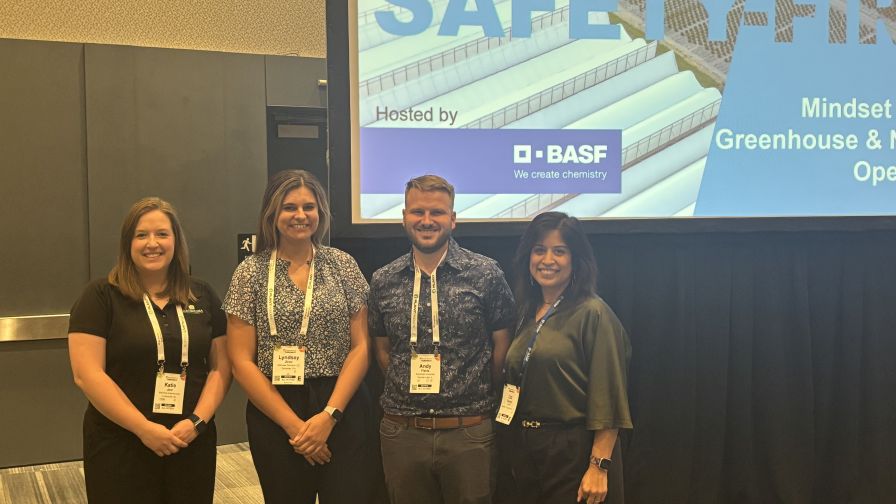
Photo: Brian Sparks
Greenhouse and nursery operations are complex environments with many moving parts. Adopting a safety-first mindset is essential to protect employees and ensure smooth, productive operations.
During Cultivate’25, a panel of growers representing companies of all sizes shared diverse perspectives and real-world examples of safety practices in action and how to embed safety into your company culture. Moderated by Liz Dunbar, Product Manager – Greenhouse and Nursery at BASF, the panelists included Andy Fields (Head Grower and IPM Manager at Goodmark Nurseries), Katie Jent (Research Manager at Metrolina Greenhouses), and Lyndsey Zinni (Growing Operations and Nursery Supervisor at Millcreek Gardens).
Here’s a closer look at some of the key insights shared by the panel.
Why Company Culture Plays a Big Role in Safety
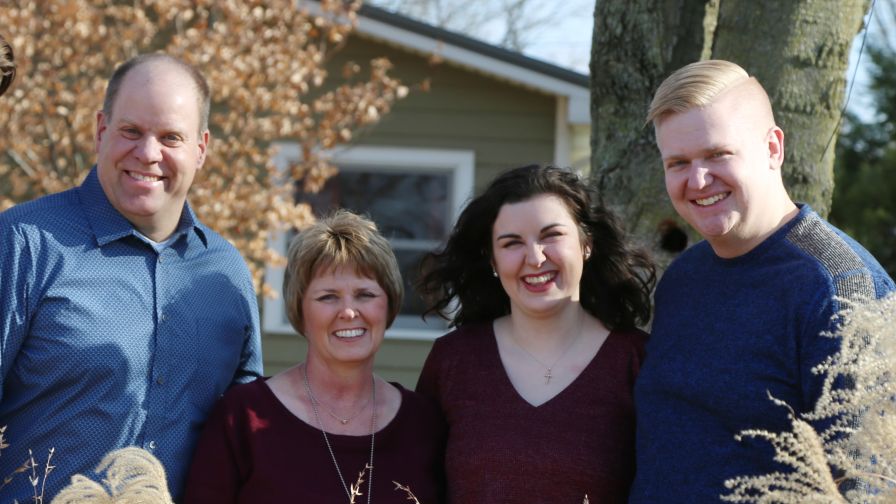
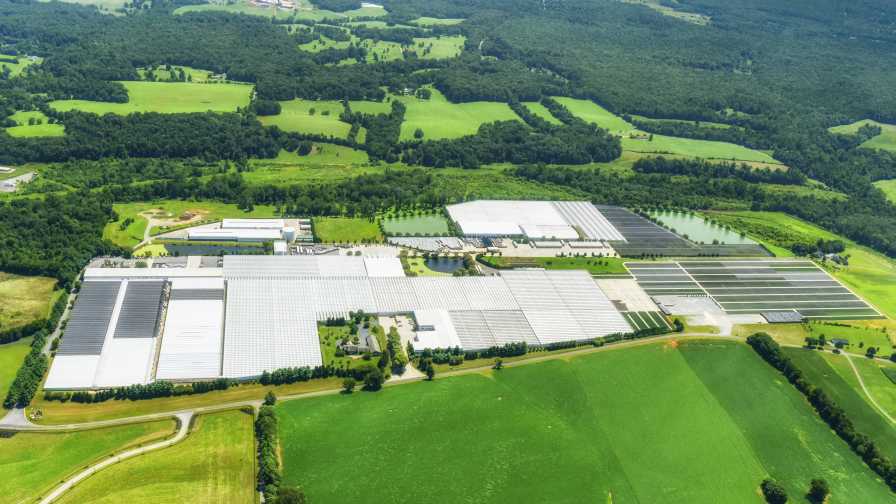
Managers can’t be everywhere all at once, which is why it’s important to get across-the-board buy in from your team on safety matters, Fields said. And the size of the company doesn’t matter; as Jent noted, Abe and Art van Wingerden preach safety all the time at Metrolina Greenhouses.
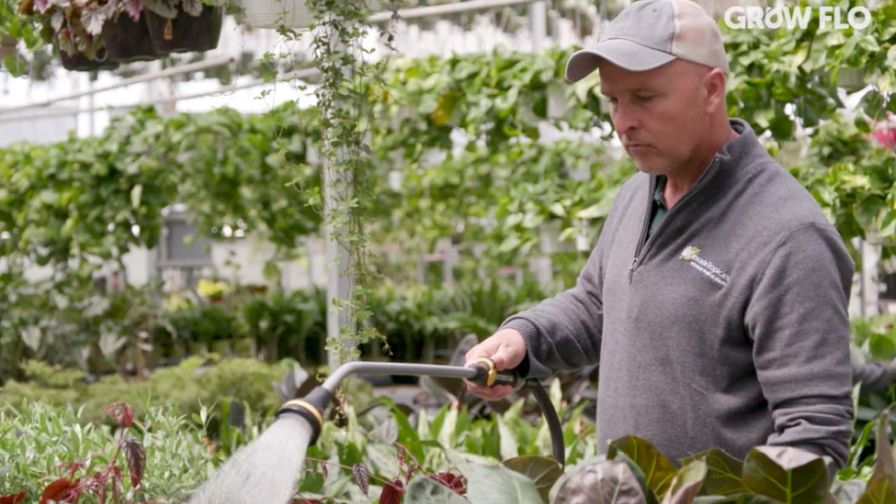
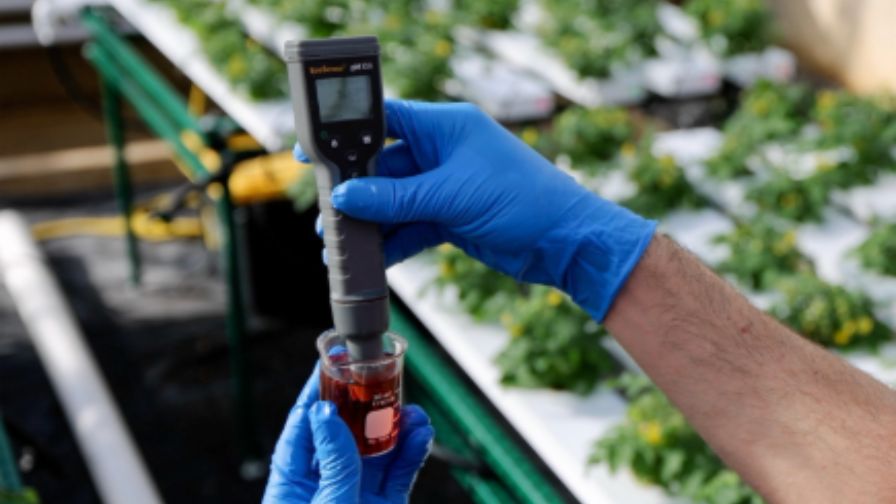
“A safety culture can and should be implemented in all operations of all sizes,” Dunbar said.
Incidents Lead to Protocols
Every company has likely faced a workplace injury; here’s a couple examples shared by the panel (names withheld) and how they responded.
- “We had an employee fall and break their foot, and we had to let medical personnel know how to find them. After that, we put our company address on the back of every employee radio so they can quickly relay that information to emergency crews.”
- “One of our employees got stuck between a wagon and a tractor. This led us to improve our equipment training, which we refresh every year.”
- “After an incident of a ladder tipping over, we only put ladders in strategic points in the greenhouse.”
Biggest Challenges and Solutions
Jent noted the importance of employees using personal protective equipment (PPE), knowing where to find it, and always putting on a fresh suit. “We added vending machines for easy access to PPE around the greenhouse,” she said.
Zinni emphasized the importance of setting clear expectations, which can be a challenge if there’s a language barrier. “All of our safety updates and guides are now translated into Spanish.”
Fields says his team approaches safety based on the season. “We have regular safety summits that focus on seasonal concerns.”
Safety in Pesticide Use
The safe handling and application of pesticides is critical, especially if you’re surrounded by other farms or residential neighborhoods. Sometimes this means going above and beyond what’s recommended.
“We try to follow the label and more, and require our team to wear respirators even if the product label doesn’t mention them,” Zinni says. “We also tell our team to read the product label every time they prepare a new application because labels are often updated with new safety information and recommendations.”
Best Practice Suggestions
The discussion closed with each grower sharing a best practice they’ve implemented.
“We have a safety panel that does monthly checks on all areas of the facility,” Fields says. “If you do this, be sure to document every training session.”
“We have digitized all of our training so it is online and signed with electronic signatures,” Jent says. “We also solicit input and tips from pesticide handlers.”
“We started using not just accident forms, but near-miss forms,” Zinni says. “Those can really help prevent problems in the future.”
Subscribe to eNewsletter