



Horticulture Success Stories in Succession Planning
 January 30, 2026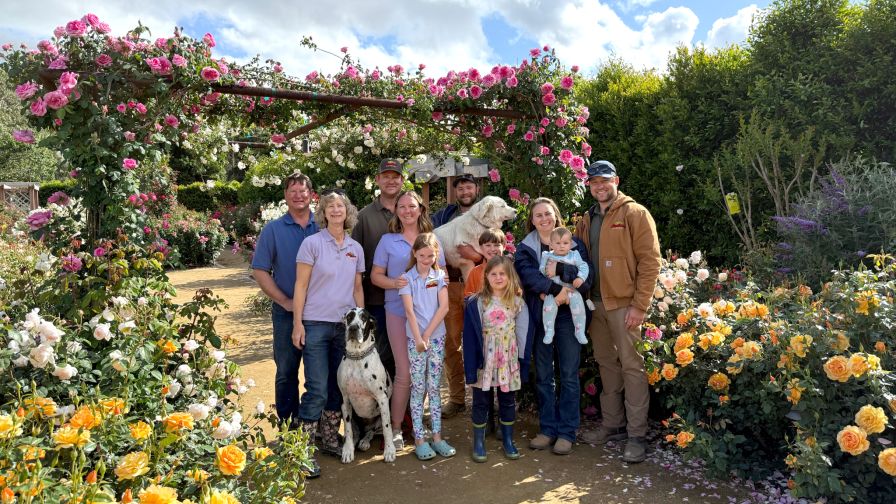
Otto & Sons Nursery has been a multigenerational family business since 1975. | Otto & Sons Nursery
Otto & Sons Nursery in Fillmore, CA, is a 38-acre operation producing roses, fruit trees, and flowering perennials, selling to garden centers, landscape contractors, and through its on-site garden shop. The company celebrated its 50th anniversary in 2025, and many of its 48 employees have been with the nursery for years.
Scott Klittich, President and CEO, joined the business in January 1985 after earning a degree in ornamental horticulture from Cal Poly, San Luis Obispo. Two of his sons now hold key roles at the nursery: Andy manages HR and sales, and Timmy serves as Production Manager, overseeing growing and propagation. Klittich’s wife, Cindy, maintains the company’s 1-acre display garden, a popular destination for customers and local plant enthusiasts. Another son, Danny, works outside the business but helps manage Otto & Sons’ social media.
When Klittich turned 60, he began thinking about what the future of the business might look like and how he’d be able to transition ownership to his sons.
“I read a few articles and attended seminars, but nothing really seemed to fit because they weren’t geared toward our industry,” Klittich says. “The nursery industry has a lot of family-run businesses, but we’re also seasonal, and we deal with live products.”



It wasn’t until Klittich attended Cultivate in 2022 and sat in on a PivotPoint Business Solutions seminar that he felt ready to engage in the succession conversation.
“They asked the audience what our exit plan looked like, and I realized I didn’t know,” he says. “I figured there was plenty of time to think about it, and I knew my sons were at least interested in taking over at some point. But I didn’t have answers to many of their questions.”
Lessons Learned
The biggest initial challenge, Klittich says, was compiling the necessary information into a format that was easy to manage. Fortunately, there was one common hurdle he did not have to worry about.
“My family all gets along really well, which the PivotPoint team said was a bit of an anomaly,” Klittich says. “A seasonal business like ours can be stressful, but our family is constantly working together to solve problems.”
Beyond making sure financial records are accessible, Klittich says the biggest lesson was the importance of starting early.
“These things take time, not just time to gather information, but time to get comfortable with the idea of what will happen to your business after you retire,” he says. “I had to decide which tasks I was willing to give up, and what my purpose would be as I eased out of managing the company.”
Klittich admits it was difficult to step back to give his sons room to try new ideas, even when it meant making mistakes along the way.
“Education is expensive, but we all learn from our mistakes and do better next time,” he says. “The good news is my kids have brought in a new energy, and they’re using technology in ways we would have never thought about to work with our customers.”
Klittich credits PivotPoint for helping guide the process. “They knew our situation and helped us become comfortable with the process,” he says. “I’m really optimistic about the future of our business.”
Eason Goes Employee-Owned
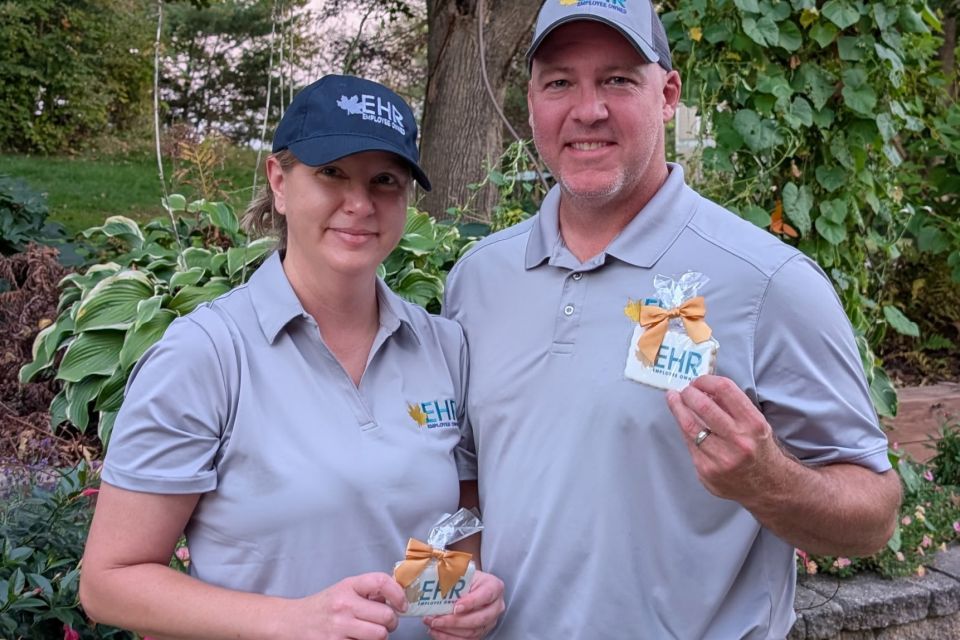
To celebrate its one-year ESOP anniversary, the Eason Horticultural Resources management team sent everyone an EHR cookie and swag. | Eason Horticultural Resources
Not every horticulture business approaches succession through family leadership, and for some companies, employee ownership offers a different path forward.
In October 2024, Eason Horticultural Resources (EHR) transitioned to an employee-owned company through an ESOP (Employee Stock Ownership Plan). The move reinforced EHR’s commitment to preserving its long-standing legacy. The company says the new structure supports a workplace where shared success is a priority and employees are empowered to contribute to growth as both colleagues and stakeholders.
When the transition was first announced, EHR President and CEO Mike Pezzillo said the goal was a smooth succession that put the company in employees’ hands by giving everyone an ownership stake.
“It allows for preservation of the company and culture that made EHR what it is today, and avoids the need for any restructuring,” he said. “Our customers can take comfort in knowing that all of the people they’ve worked with are all now employee-owners and will continue to strive to provide them an excellent level of service.”
A little more than a year later, Pezzillo says the team has been receptive as they learn what it means to be a part of an employee-owned company.
“It was intangible at first, but it’s been catching on,” Pezzillo says. “Most of us realize that the company’s continued success is in the best interest of every single employee. EHR has been a great company for a long time, and employee ownership has helped elevate that.”
The biggest lesson Pezzillo says he has learned in the last year is the importance of choosing the right partners.
“There are a lot of capable consultants out there,” he says. “Interview and do your due diligence to help you find the right one, and you’ll be better positioned to identify the right trustee and banks to work with. You want to make sure your partners understand your business, because the horticulture industry is unique in many respects compared to other industries.”
“There’s never a wrong time to become an employee-owned company,” Pezzillo says. “If there’s an owner out there looking for a transition or succession plan, think about what you want your legacy to be. Do your homework, find the right partners, and make it happen. Identify the right tools to make management more knowledgeable and continue to educate employees. Sometimes the future can be even brighter.”
Subscribe to eNewsletter
