



Annual vs Perennial, Not Really Important?
 March 18, 2026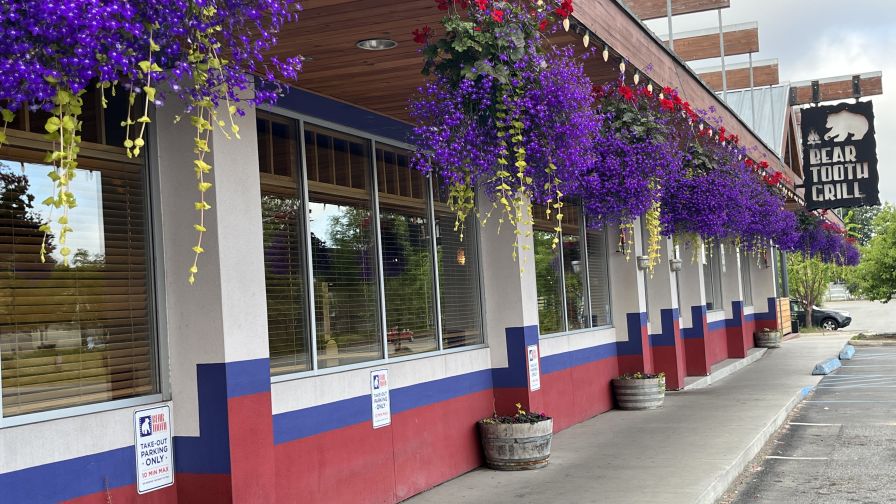
Lobelias and geraniums provide seasonal color in a commercial landscape planting. | Allan Armitage
We sell expectations.
We sell the future. No one buys a plant expecting it to continue looking like the small green thing in the gallon container. They buy it because they expect it to become something better over the course of the season. Sometimes those expectations are unrealistic given climate, location, and maintenance.
This should not be rocket science — we sometimes need to take a step back and understand the role plants are meant to play. The primary difference between selecting an annual, perennial, or shrub should not be based on hardiness alone, but on function.
When I go to a lecture hosted by installers and designers, I want to hear how they choose plants for a site and a client. When I ask whether annuals or perennials matter more in an installation, they roll their eyes. Cold hardiness is always on their radar, they tell me, but it doesn’t carry the same weight it does in the gardening world. They choose plants for what they do and what they deliver to the customer.
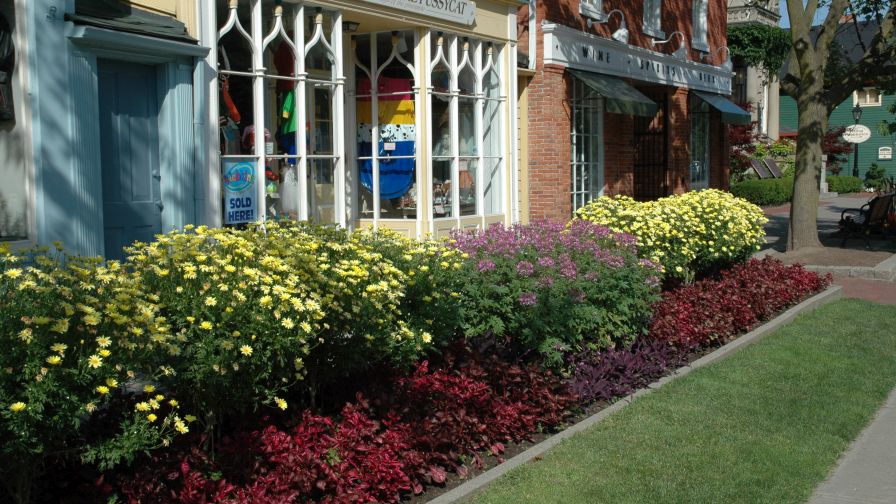
Seasonal plantings add color and visual appeal to a storefront landscape. | Allan Armitage
There is still a cachet to the word “perennial” in the home garden and at garden centers, but that cachet is less important in the installation and landscape market. I quickly learned that in the installation/design world, the focus is on form and color, all season. A landscape design for high-foot-traffic areas calls for more eye appeal. Here, color is king, whether subtle or vibrant.
I think we can all agree that containers of petunias or begonias spilling over ferns and greenery enhance the pedestrian experience and bring more shoppers into those areas. In high foot-traffic zones, annuals are used far more than anything else simply because they flower all season. Handsome floral displays invite people to linger, and lingering often leads to spending. Wouldn’t it be nice if more storefronts did that?
Designs in high-vehicle-traffic areas, such as mall entrances, hotels, and office buildings, are quite different. In these spaces, installers and designers emphasize diversity of plant material. They choose annuals for color, perennials for seasonal change, and shrubs for form. People may drive by quickly, but they still register color and structure.
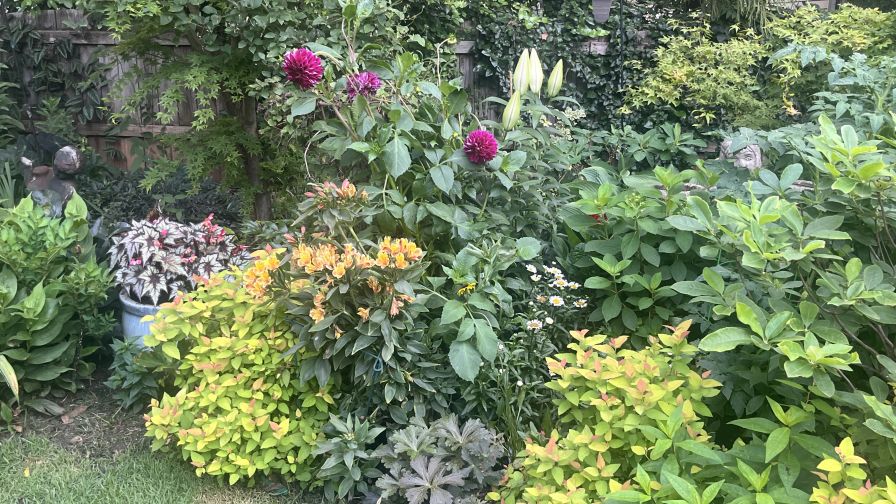
A residential garden featuring a diverse mix of bulbs, annuals, perennials, and shrubs. | Allan Armitage
As I was leaving one of these lectures, I could not help but ask about the small parkette in my neighborhood. It turns out the same concerns apply to the office park off the street and the walking plaza in town, where benches invite people to take a break. Again, the annual-versus-perennial question has less to do with cold hardiness than with form and function. Annuals provide the invitation to sit, while perennials and shrubs create the setting for comfort and serenity.
Regardless of the site, the function a plant serves will always matter more than its USDA hardiness rating.
Subscribe to eNewsletter