



It Takes a Village, and What a Village We Have
 March 19, 2025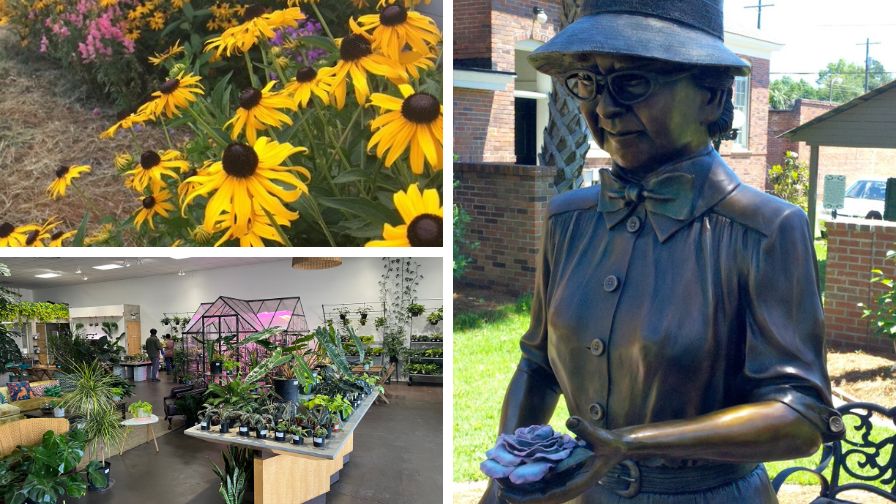
(Clockwise from top left) The Rosalynn Carter Butterfly Trail in Plains, GA, is dedicated to beneficial plants for the monarch butterfly. A statue of Betty Sheffield in Quitman, GA, honors the camellia cultivars developed from her namesake camellias: The Betty Sheffield and The Betty Sheffield Supreme. The tenet at Fox Glove Plant Bar in Athens, GA, is that plants and community go hand in hand. | Allan Armitage
I had not really given much thought about the strawberry jam or the cheese slices I routinely purchase at the grocery store. Then I thought about the fact that I could buy the exact same jam and cheese in every grocery store in every town. My wife Susan is a little worried about my thoughts these days.
She was even more worried when she saw me reading a book called The Secret Life of Groceries by Benjamin Lorr, but, and oh my, what I learned about getting the shrimp to the fish counter, the trucks to the store, and the strawberry jam to the shelf was an eye opener. It takes more than a village; it takes a coordinated megalopolis.
The Village of the Horticultural Community
I then thought about our horticultural village and the kinds of shops inside it. I thought about all of the small “shops” I come across that seldom make the horticultural news. None of them are secrets, but they all have lives of their own. They are all important to our success.
That our industry is complicated is not a surprise, but a recent magazine article I read reminded me that nothing is as simple as it seems. The author outlined some of the pieces that make up the “big” picture, each unique but all very important. As I read, I thought about the pieces I routinely see in my village and invite you to share this walkabout with me. I am not sure where to start. How about Toronto?
I recently attended the Landscape Designers Conference in Toronto. Landscape designers plan the hardscapes, track the elevations, design the drainage patterns, and select plant materials to turn an obscure property into a beautiful one. They were excited and eloquent, and, to them, they are as important as any other aspect of horticulture. I don’t disagree.
The other day, I happened to visit a small shop called the Foxglove Plant Bar. When you enter, you can browse hundreds of lush houseplants, common and rare, and all the while enjoying a glass of wine. As inviting as it is, their most important tenet is that plants and community go hand in hand. They host workshops, plant swaps, and mini concerts, as well as quiet spots to chat. It is a bit like a coffee shop without the laptops. They are passionate, and they believe their community role is as important as any in this business. I don’t disagree.
Then I went to the Stone Store, a place that sells rocks and stones. Really? Yes, they have been doing so for years, often for those people building the designs the landscape designers design. But, there are a ton of small gardeners loading up rocks and mulch for their pathways and garden beds. You may meet your neighbors buying rocks for their small pond in the back garden. A store that sells rocks. Who knew? Are they important? I would not disagree.
I wish you were with me when I traveled to Quitman, GA, a truly out-of-the0way, small town in South Georgia. This community of approximately 4,000 people actually erected a statue to honor their neighbor Betty Sheffield, whose namesake camellia may be the most famous camellia of all time. I had to see it. Picture this very northern boy asking this very southern lady and her granddaughter if they knew of such a statue. With big smiles, they took my arm and escorted me to the town square where they pointed, with pride, to Betty. Maybe pride like this is as important as anything else we have. I wouldn’t disagree.
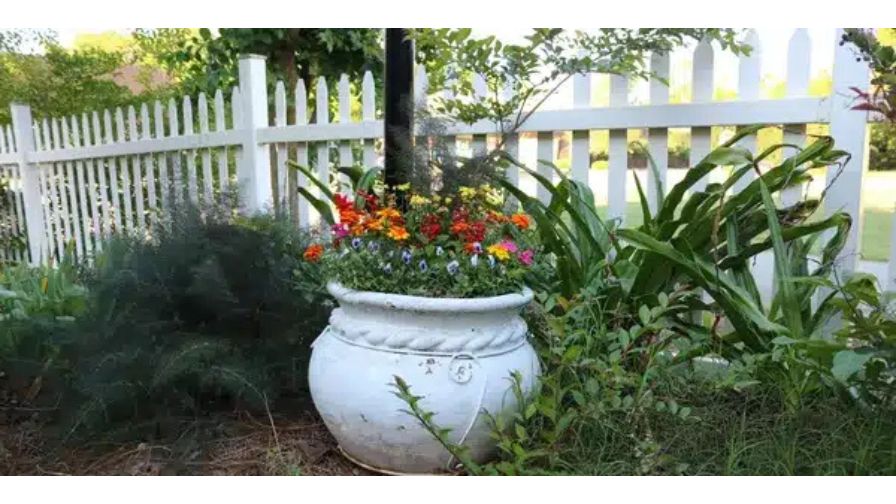
Garden along the Roselynn Carter Butterfly Trail. | Allan Armitage
Our horticultural village is so diverse. Join me when I visit the Rosalynn Carter Butterfly Trail in Plains, GA, dedicated to the wonderful first lady from that small town. A trail made up of small gardens like that of the mayor, at the high school, the Baptist church, in front of the pharmacy, and many more throughout town, all dedicated to beneficial plants for the monarch butterfly. Anyone can sign up to be on the trail if they have a nectar garden, and people do so. This effort speaks volumes about the people who love what they do and make all of us better for them. Are they important? I wouldn’t disagree.
Final Thoughts on Other Villagers of Importance
I must stop. I could write a small book about who we are based on people and places like these. I would remind us of Robert and Larry, my born-again garden friends, who have come to enjoy all the benefits of a garden and who want to share with others. I also invite you to meet my daughter, Laura, whose garden simply reflects her enjoyment. We need the Lauras of the world as she needs us. Is she important? I wouldn’t disagree.
Subscribe to eNewsletter
