



The Water-Wise Test
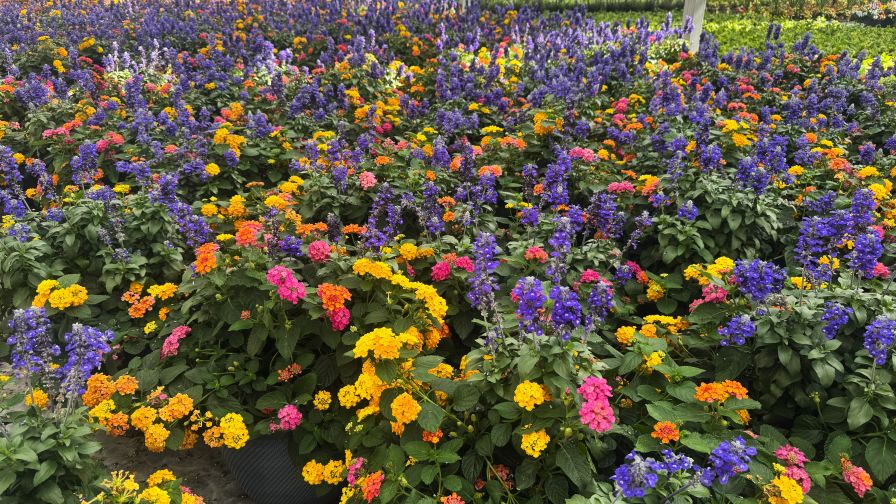
Drought-tolerant crops still need color, fullness, and shelf appeal to move successfully from production to retail. | Olson’s Greenhouse Gardens, INC, Mason Hatter
A plant can be drought-tolerant and still fail the retail test. It can have the right genetics, the right regional fit, and the right long-term promise. But if it looks tired on the bench, ships poorly, needs too much explanation, or leaves the customer guessing how to use it, drought tolerance alone will not be enough to move it.
That is the tension growers, breeders, suppliers, and retailers are navigating as heat, drought, water restrictions, and unpredictable rainfall shape more conversations around plant selection. Water-wise plants are becoming more relevant, but the strongest crops are not simply the ones that survive dry conditions. They are the ones that keep their appeal through production, shipping, retail, and the landscape.
“Drought tolerance alone doesn’t earn a plant bench space,” says Jonathan Burns, Outdoor Manager at Tallahassee Nurseries in Tallahassee, FL. “The same factors that make any plant successful apply. It has to look exceptional at the point of sale. It has to be relatively easy to maintain in the nursery. Ideally, it performs well long-term in the landscape.”
Beauty Still Drives the Sale
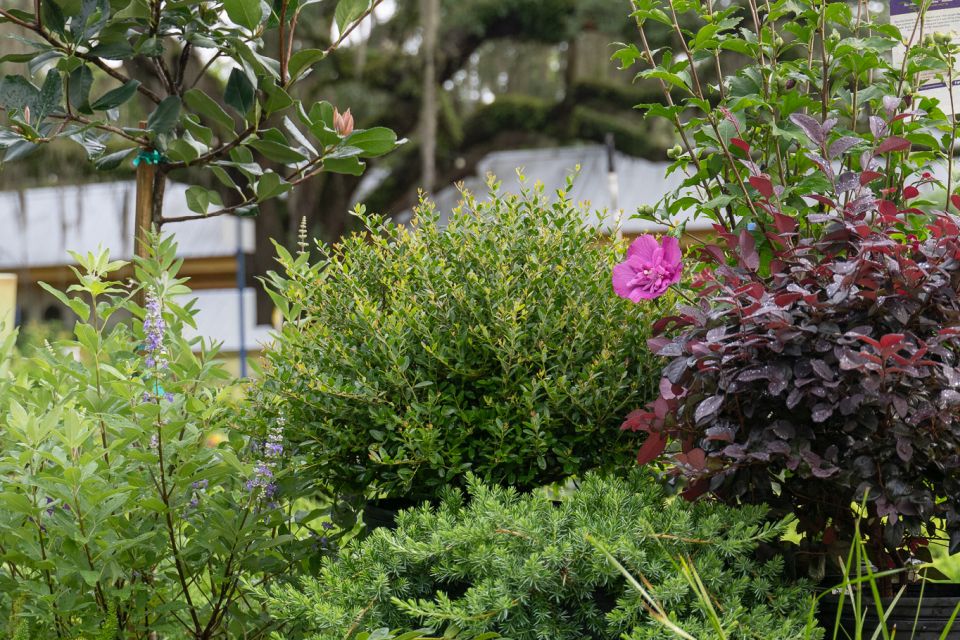
Retail success still depends on plants looking full, clean, and visually compelling at the point of sale. | Tallahassee Nurseries, Thea Janes
At Tallahassee Nurseries, drought has not been theoretical. The region has been in severe drought for many months, and although rain has recently returned, Burns says the area remains in a rainfall deficit.
Still, drought has not rewritten the sales floor.
“If customers were going to shift their choices based on drought concerns, they would have done it over the past year, and they have not,” says Burns.
Some of the garden center’s strongest water-wise sellers fall into familiar retail categories, including durable grasses, shrubs, roses, and landscape staples with enough color, structure, or name recognition to catch a customer’s attention. At the same time, many of its top sellers are not especially drought-tolerant, reinforcing Burns’ point that customers still tend to choose plants based on beauty, familiarity, and perceived value.
“The immediate wow factor — colorful, clean, compact, and full — matters more than almost anything else,” Burns says. “Nine times out of 10, people buy what looks beautiful right now.”
For retailers, drought tolerance often works best as a supporting benefit rather than the lead selling point.
“My pitch would be simple. Drought-tolerant plants save time, save money, provide peace of mind, and offer greater flexibility,” he says. “As an added bonus, they happen to be better for the environment.”
Regional Markets Speak Differently
In Colorado, the retail conversation is more direct.
At Tagawa Gardens in Centennial, CO, record drought conditions have pushed more customers toward low-water landscapes, says Richard Newbold, Perennials & Roses Supervisor.
“They are looking for plants that do it all: low-water, heat-tolerant, low-maintenance, and most importantly, flowers all season long,” Newbold says.
That is a big ask in Colorado, where the growing season is shorter, and conditions can be challenging. Rather than relying on one plant to carry the whole design, Tagawa’s team often recommends combinations with resilient qualities and successive blooms.
Newbold points to underused native and regionally adapted shrubs, along with resilient perennials and ornamental grasses, as plants that offer more than survival by bringing texture, seasonal interest, pollinator value, and a stronger connection to the regional landscape.
“The most successful plants we sell are the ones that save water without looking like a compromise,” he says.
The Grower Side of the Test
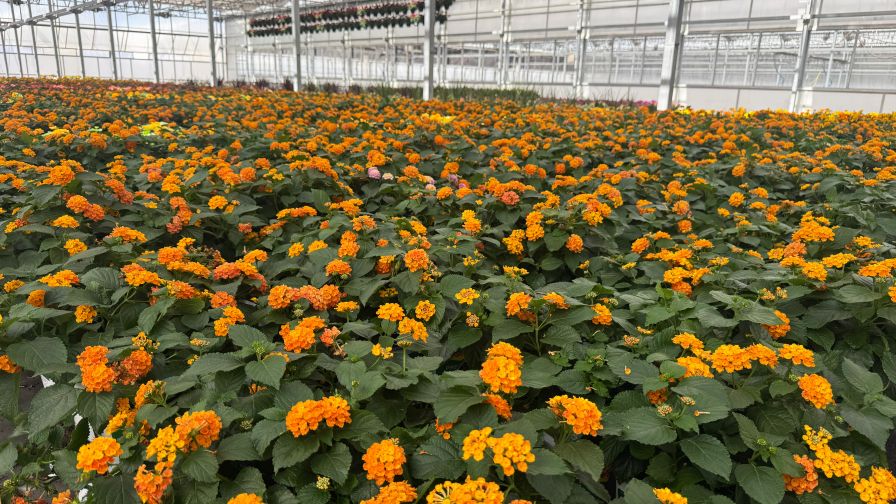
Lantana remains a reliable heat- and drought-tolerant crop with strong retail color. | Olson’s Greenhouse Gardens, INC, Mason Hatter
For growers, water-wise crops can offer a practical advantage when they bring more forgiveness into production. Crops that tolerate some stress, hold quality longer, and recover from uneven watering or shipping pressure can give growers more flexibility without sacrificing retail appeal.
Nancy Petersen, Production Operations Assistant at Olson’s Greenhouse in Salem, UT, says the drought-tolerant crops performing best for Olson’s are the ones that check multiple boxes, including drought tolerance, production efficiency, and retail appeal.
For Olson’s, the strongest performers are crops with strong color, forgiving habits, manageable growth, predictable timing, and shelf life that can carry them through production, shipping, and retail without losing quality.
“A drought-tolerant plant is worth the bench space when it performs consistently across the entire supply chain — from production and shipping to retail and ultimately in the landscape,” Petersen says.
That performance matters because predictable timing, strong sell-through, and longer shelf life give growers and retailers more flexibility through watering mistakes, shipping pressure, and retail handling.
Lavandula is one of Petersen’s favorites because it stays neat and controlled on the bench while still having the vigor to take off once planted in the landscape.
Breeding Beyond Survival
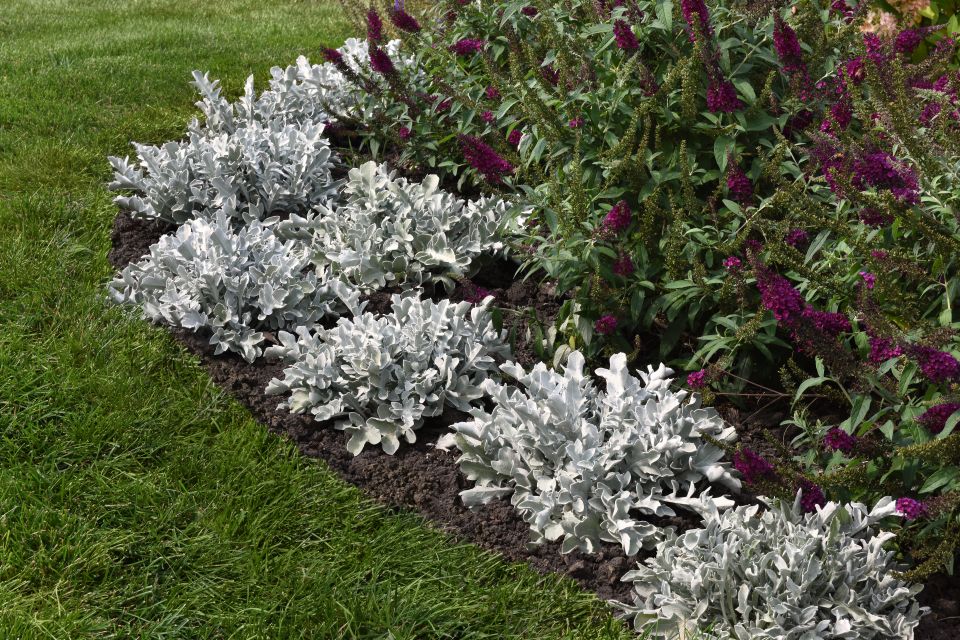
Centaurea Silver Swirl. Silver foliage adds contrast while supporting the story around heat- and drought-adapted traits. | Darwin Perennials
Breeders and suppliers are being asked to build more resilience into crops before they ever reach the bench.
Chris Fifo, Darwin Perennials Product Representative, says demand is increasing not only for drought-tolerant plants, but for crops that can handle heat, wet conditions, wind, and other weather extremes.
Fifo points to drought-tolerant selections with strong retail potential because they bring visible traits to the bench or landscape, from silvery foliage and bright flowers to durable texture, pollinator appeal, and movement.
“Newer introductions must fit right into standard production practices, and they must tolerate handling and shipping without breaking or flower shattering,” Fifo says. “They also have to look great on the retail shelf for an extended period of time.”
At Walters Gardens in Zeeland, MI, Cayla Olson, Regional Product Manager, says the team is looking at traits that support long-term resilience, including native parentage, prairie and Southwest genetics, extensive root systems, and silver foliage. Silver leaves can indicate heat adaptation, with tiny hairs or waxy coatings that help scatter light and reduce moisture loss.
For Walters, the strongest candidates pair those resilience traits with visible value, including color, structure, pollinator appeal, multi-season interest, and production reliability.
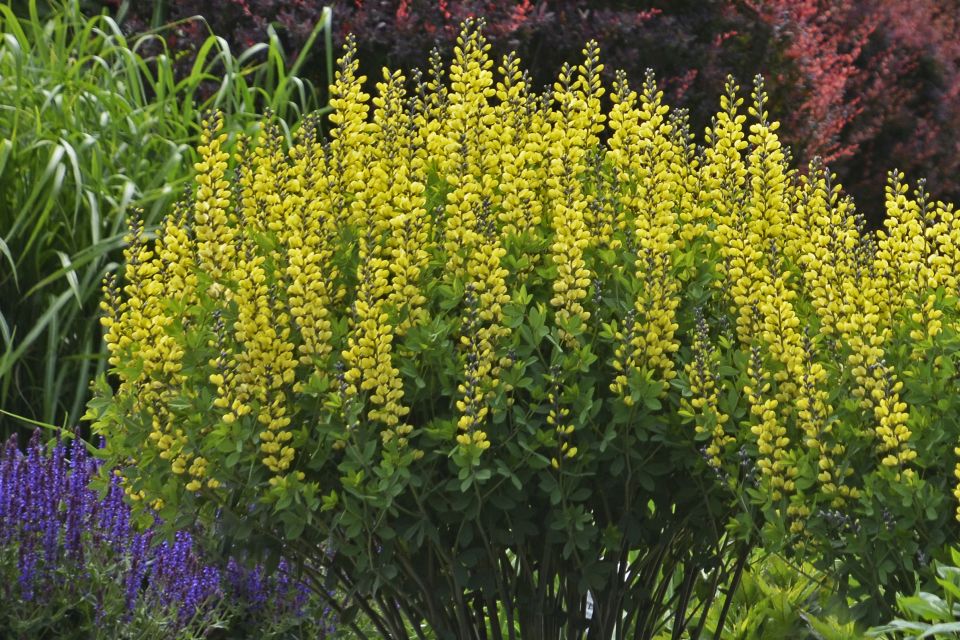
Baptisia Decadence ‘Lemon Meringue’. Deep-rooted perennials such as Baptisia offer long-term durability and multi-season value once established. | Walters Gardens
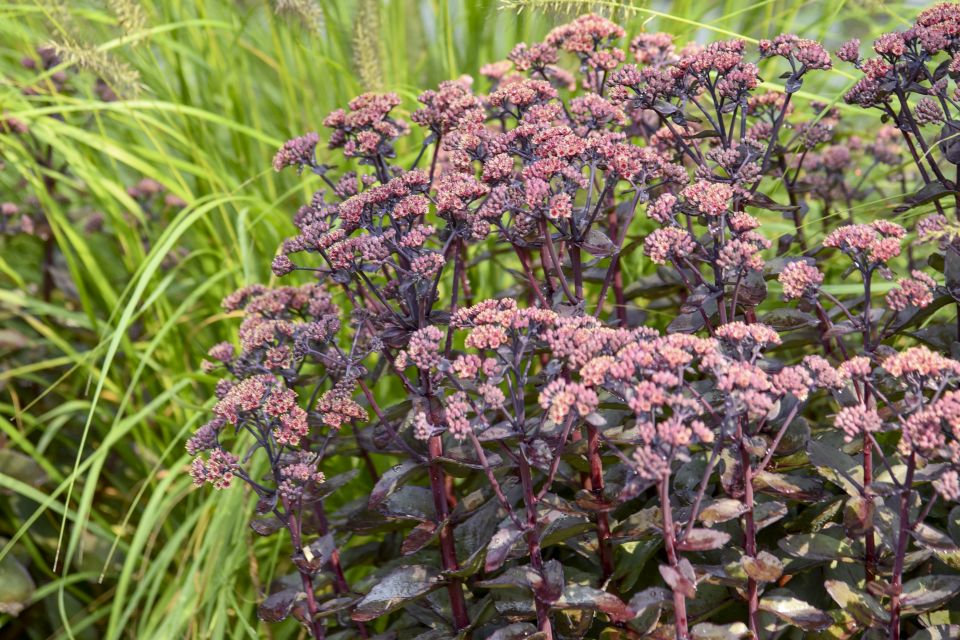
Sedum ‘Back in Black’. Sedum offers drought tolerance, strong foliage, and pollinator-friendly flowers in a durable retail crop. | Walters Gardens
Drought-Tolerant Does Not Mean No Water
One of the easiest ways to oversell a drought-tolerant plant is to let customers think it does not need water.
Fifo puts it simply. “Just because the plants are drought-tolerant doesn’t mean they like to be kept dry.”
Olson makes a similar point. Tolerance usually describes what a mature plant can handle. Young plants and liners still need consistent moisture to establish the root systems that later help them tolerate drier conditions. Containers can also dry out faster than field or landscape plantings, especially when media and root-zone temperatures rise above ground.
That message matters at retail, too. Burns says he is careful to explain that new plants need regular watering during the first year or two while they develop a large enough root system to support themselves under normal conditions.
“The challenge is selling the idea that a plant won’t need much water later while still making it clear that it absolutely needs water early on,” Burns says.
That may be the real water-wise test. The best crops help growers produce efficiently, give retailers a stronger selling story, and help consumers succeed with landscapes that are beautiful, resilient, and easier to maintain.
Water-Wise Crops With Retail Potential
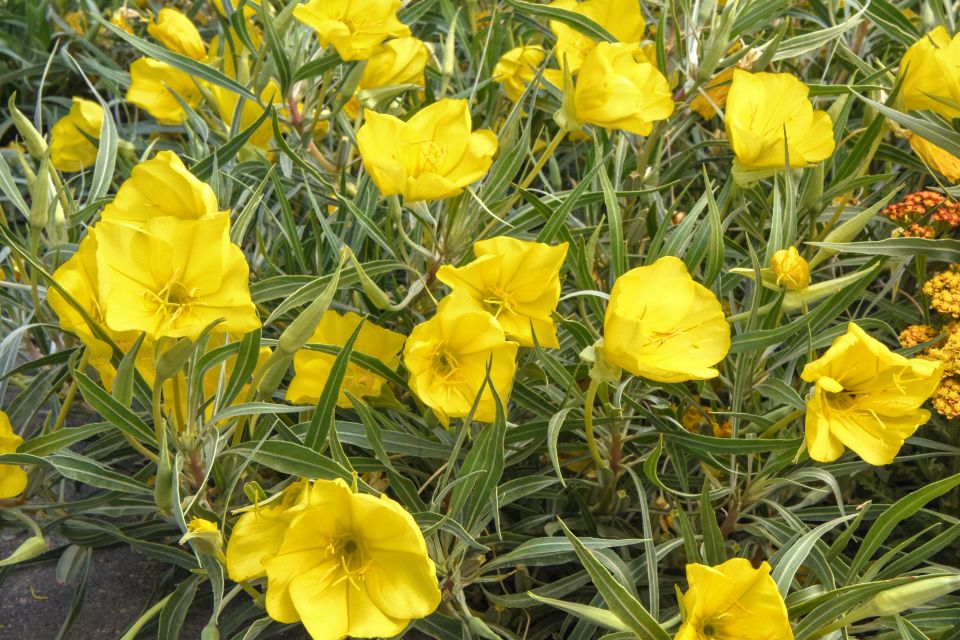
Oenothera Evening Sun. | Darwin Perennials
Annuals and Tender Perennials
Lantana, Portulaca, Salvia, Agastache, and Lavandula are standing out for Olson’s Greenhouse because they combine drought tolerance with production efficiency and retail appeal.
Perennials With Pollinator Value
Agastache, Penstemon, Echinacea, Achillea, Baptisia, and Perovskia offer drought tolerance along with color, texture, pollinator value, and long-term landscape performance.
Groundcovers and Succulents
Sedum, Sempervivum, Delosperma, Artemisia, and other groundcovers can help cover soil, add texture, and support lower water landscapes.
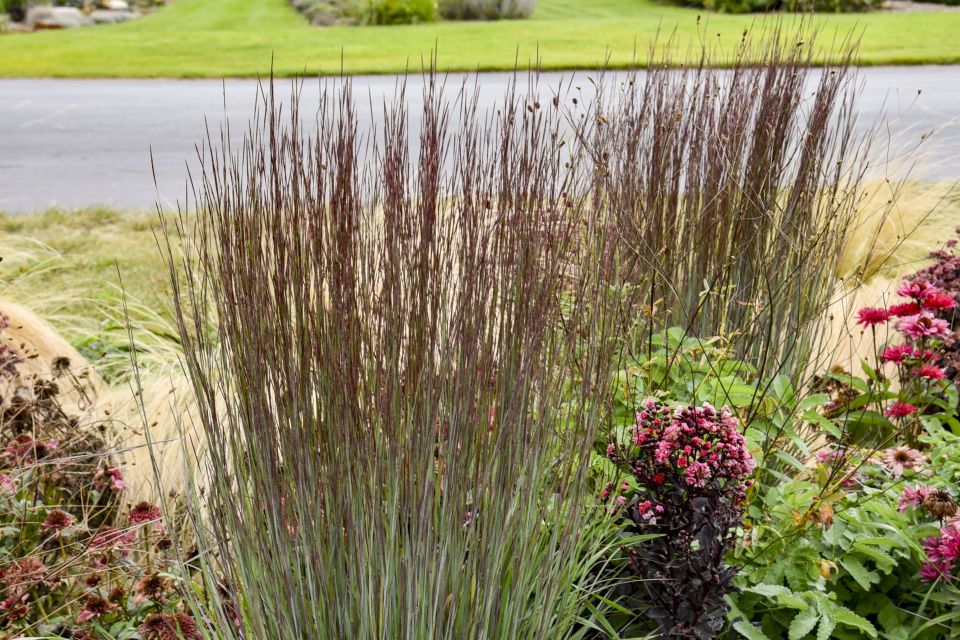
Schizachyrium ‘Cinnamon Sticks’. | Walters Gardens
Grasses and Movement Plants
Muhly grass, Panicum, little bluestem, prairie dropseed, and other ornamental grasses offer drought tolerance, movement, structure, and seasonal interest.
Shrubs and Regional Picks
Tallahassee Nurseries points to yaupon holly, Podocarpus, Distylium, Loropetalum, Rose of Sharon, and bottlebrush. In Colorado, Tagawa Gardens highlights Apache plume, fernbush, manzanita, leadplant, bluestem jointfir, and other regionally adapted shrubs.
Subscribe to eNewsletter
