


Breeding for Heat and Drought Tolerance in a Warming Climate
As drought becomes an increasingly common challenge for growers and landscapers across the country, plant breeders are responding with resilient varieties that can take the heat and survive with less water. We spoke with several industry experts to learn how growing consumer demand and an emphasis on purpose-driven plants are shaping their breeding strategies and the market.

View all
So, what does drought tolerance mean? Ask different breeders, and you’ll get slightly different answers. But they all agree on one thing: Gardeners today want plants that work harder — with less water, less maintenance, and more visual payoff.
“In different regions, ‘drought tolerant’ can mean very different things,” says Steven Engel, Regional Account Manager at PanAmerican Seed. “A plant might go dormant during dry periods and still survive, but that doesn’t mean it looks good doing it.” And that, he says, is the real challenge: finding plants that not only survive but still look lush, full, and blooming when water is scarce or inconsistent.
Where Breeding Begins
Across the board, breeding for drought performance begins with smart plant selection. “We start with genera that are already naturally tough,” says Bart Hayes, General Manager for Westhoff North America. “Then, within less-adapted groups like Lobelia, we select for individuals that stand out.
Westhoff breeders also assess how blooms hold up in heat — and in rain. “You can have a plant survive the heat, but if it isn’t flowering, it doesn’t matter,” says Hayes.
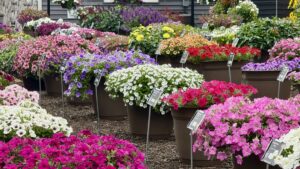
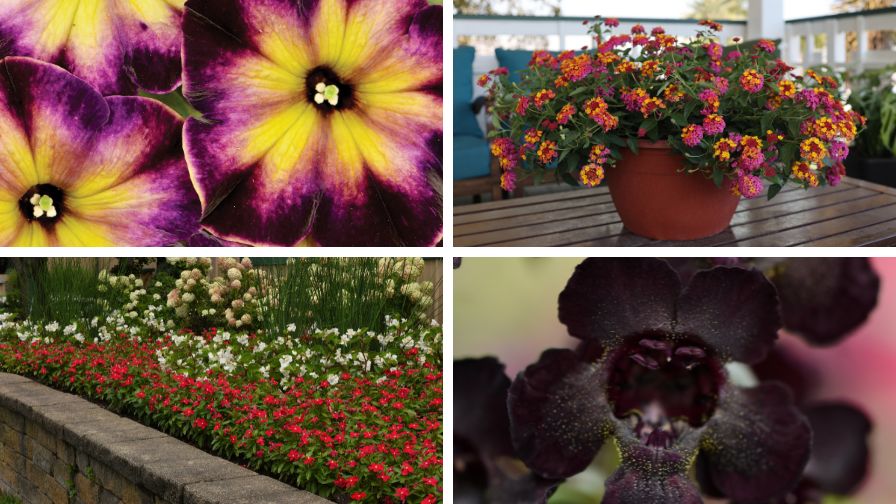
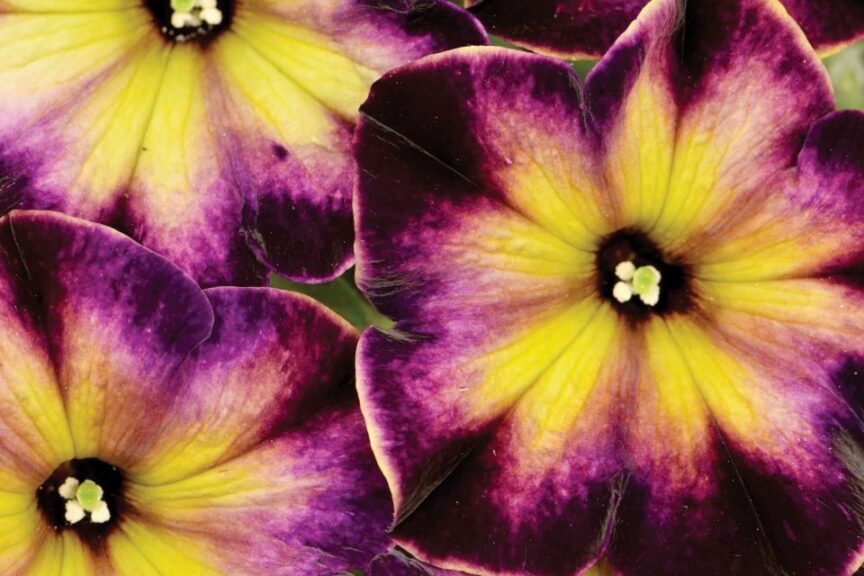
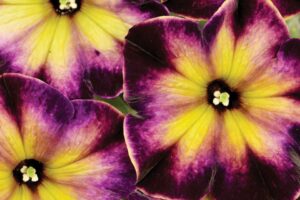
Its Flower Shower petunia series was bred with both extremes in mind. “In the Midwest, you can go from two weeks of drought to a downpour that crushes flowers,” Hayes explains. Traits like thick petals, slightly smaller flowers, and longer pedicels help them rebound. “It’s like a diving board; it flexes and comes back.”
Trials That Mimic Real-World Stress
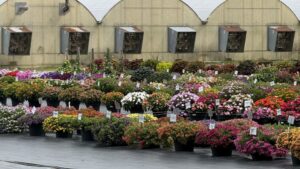
For many breeders, that challenge starts with trials. At PanAmerican Seed’s Elburn, IL, facility, the Pro Landscape Program tests plants in conditions that mimic real-world municipal and commercial landscapes: overhead irrigation, landscape spacing, no babying. It’s not just about seeing if a plant lives, it’s about whether it fills in fast, continues blooming, and avoids pests or disease without constant care.
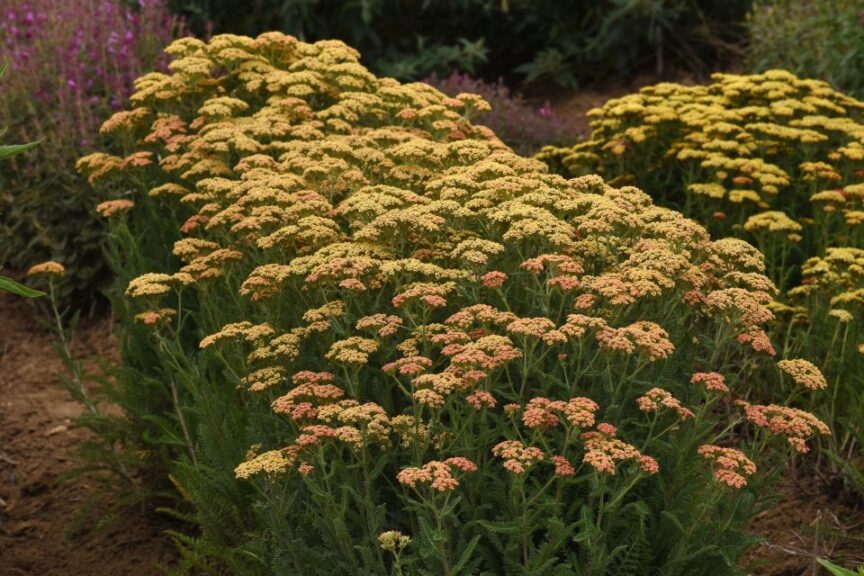
This kind of practical evaluation is echoed across the industry. At Darwin Perennials, Product Manager Darren Barshaw says the focus is on breeding perennials that can take heat, humidity, and stretches of dryness, then come back strong the next year. “It’s not just about surviving the summer,” he says. “We want plants that return reliably and look great with minimal input.”
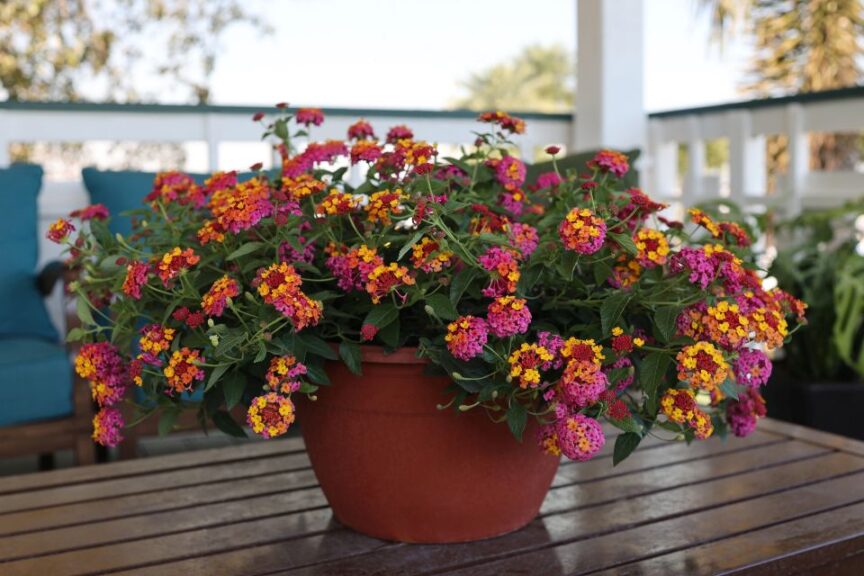
The same mindset applies to annuals. Maria Bolinger of Ball FloraPlant highlights varieties that stretch the season with color that doesn’t quit. “We call them season extenders,” she says. “Plants that still look good when others start to fade in late summer.”
Breeding programs at Ball emphasize heat tolerance and resilience, especially for southern and western regions where irrigation can be inconsistent or costly.
Market Demand and Changing Growing Zones
While some companies don’t explicitly trial for drought tolerance, they’re still dialed into consumer demand for low-maintenance beauty. “We look for plants that handle stress and still look good,” says Hayes. “Even if it’s 100 degrees out, a consumer doesn’t want to see crispy leaves or dropped flowers. They want performance with purpose.”
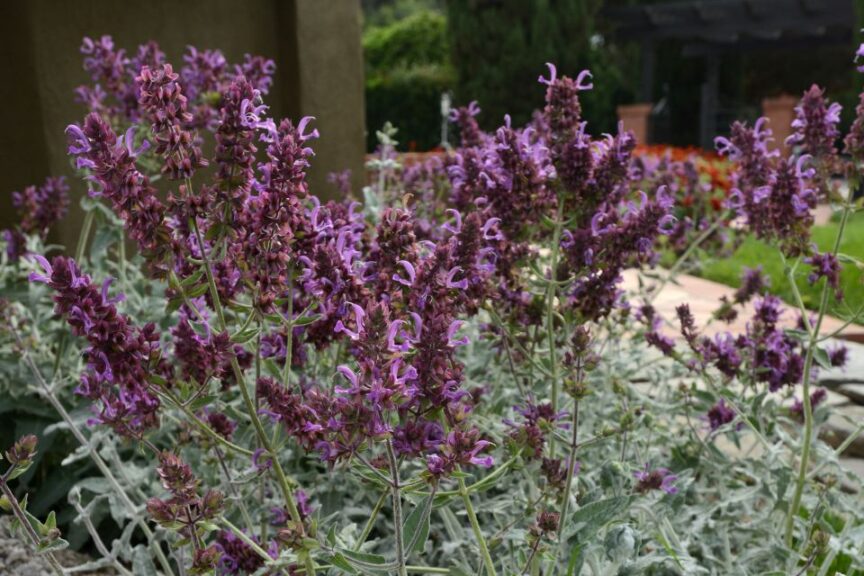
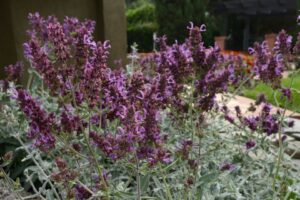
Updates to the USDA Plant Hardiness Zone Map are also shaping breeding priorities. As zones shift northward, more consumers have access to borderline-hardy varieties. “We rolled out a Salvia greggii hybrid that’s hardy to Zone 7. As Zone 7 expands, so does the market,” Hayes says.
But interest in drought tolerance isn’t just about regional conditions anymore; it’s also driven by sustainability-minded consumers. “People are choosing these plants not just because they need them for their climate, but because they want to garden more responsibly,” he says.
Bringing a drought-tolerant plant to market involves more than just hardiness — it must compete on beauty, too. “Retailers won’t accept a bad plant just because it’s drought-tolerant,” Hayes says. “The threshold for market entry is much higher than it used to be.”
That means breeding programs must meet high expectations for flower color, form, size, and consistency across growing regions. “It’s not about being the best all the time — it’s about delivering on the expectations the consumer has of us,” he adds. “If they have a bad experience, they think it’s their fault, and then they stop gardening.”
Behind all this work is a shared goal: helping gardeners succeed, even in unpredictable conditions. That means breeding for both looks and logistics — like sun/shade flexibility, longer bloom windows, and reduced need for fertilizers or fungicides.
Building for the Win
“Consumers don’t always read the tag,” says Engel. “They don’t always know what full sun means. So, we need plants that are a little more forgiving.” That’s why breeders like PanAmerican Seed have shifted toward interspecific hybrids, which can thrive in sun or shade. “The goal is to make it easier for the average gardener to win.”
For perennials, it’s the same story. Barshaw says success means creating plants that look good with less. “Growers and retailers want confidence in what they’re selling. Landscapers want fewer replacements. And gardeners want to know something will come back without fuss.”
In the end, it’s not just about water. It’s about resilience, reliability, and return on effort. The climate may be changing, but so is the way we breed and talk about plants. And that’s a win for everyone.
Subscribe to eNewsletter