


What Stood Out at Darwin Perennials Day 2026
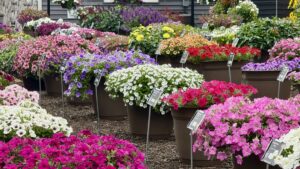
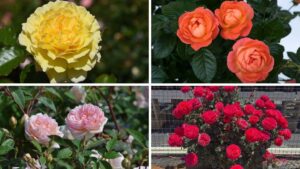
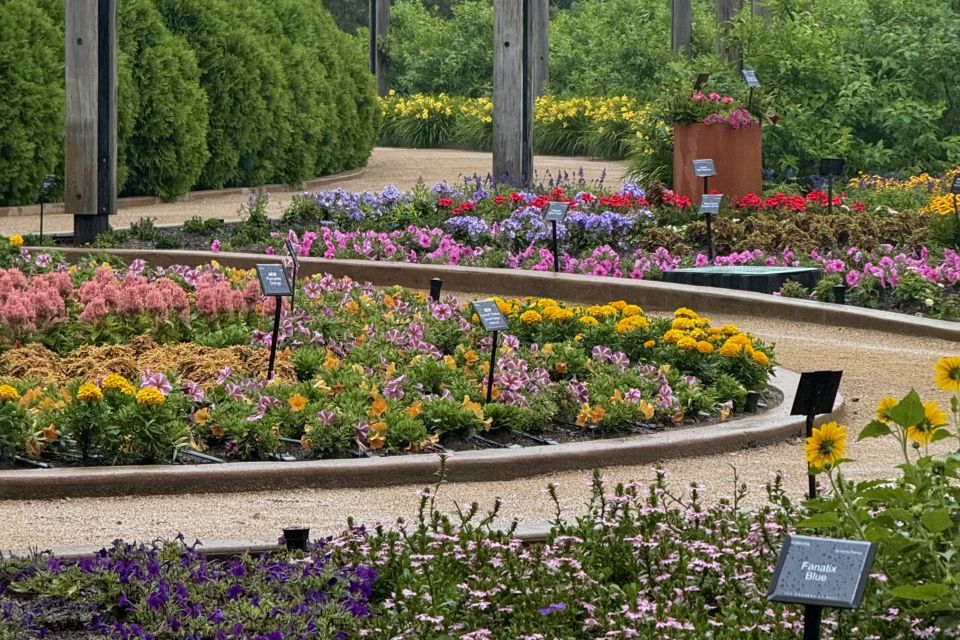
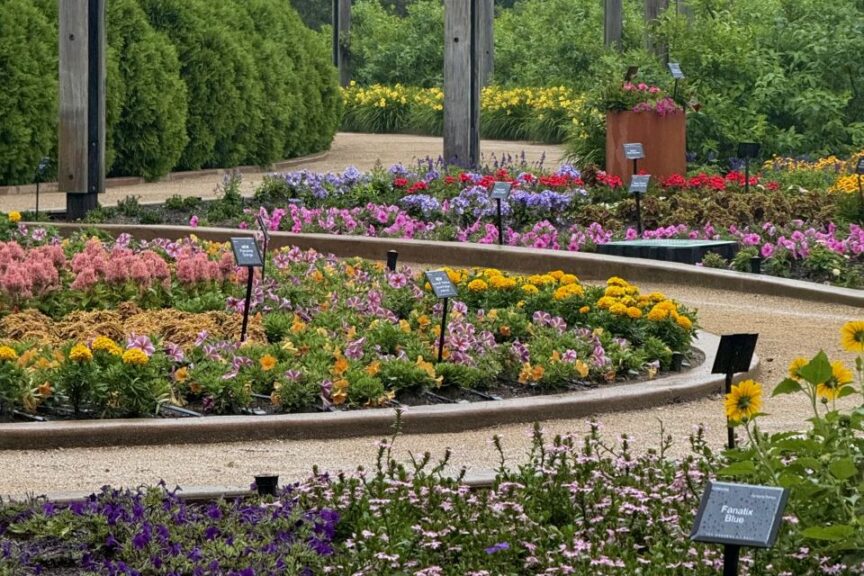
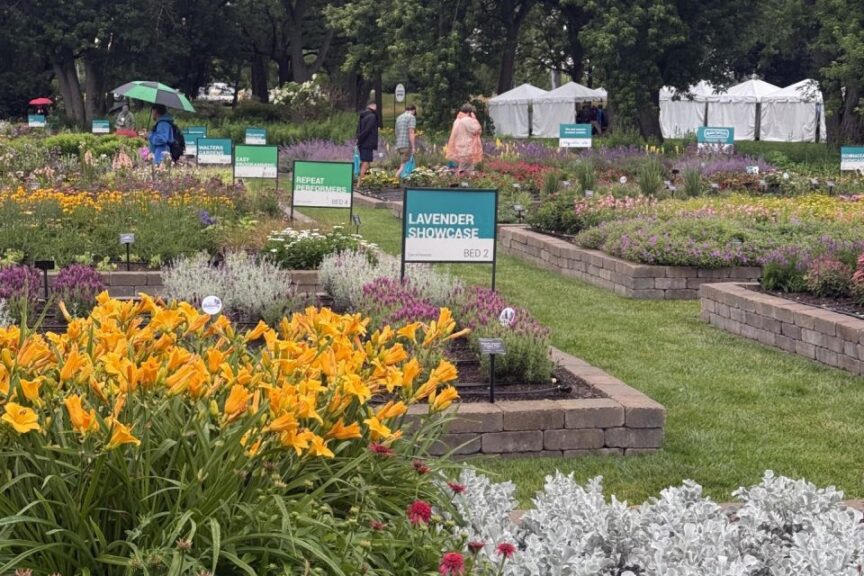
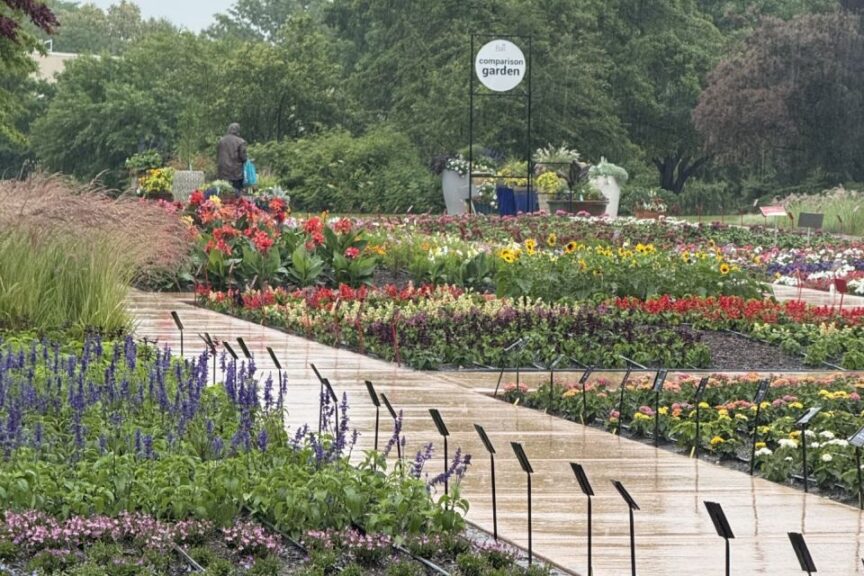
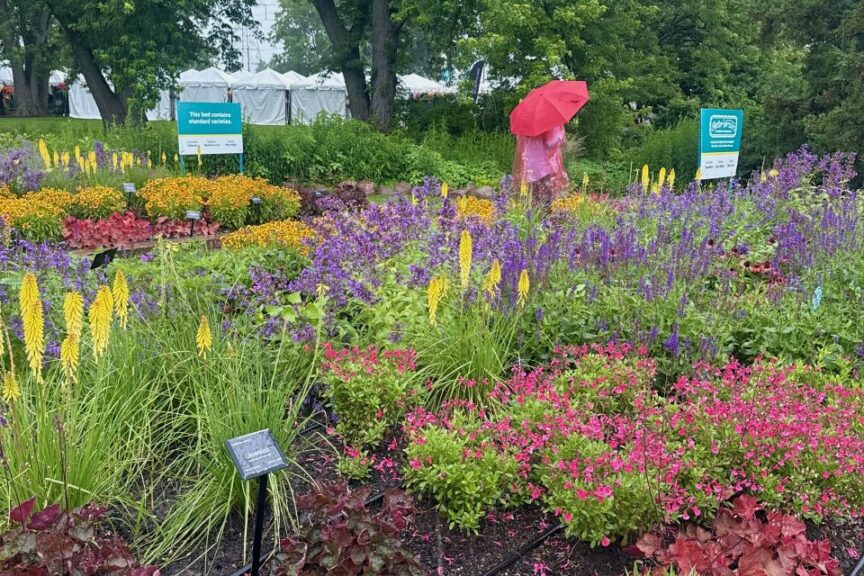
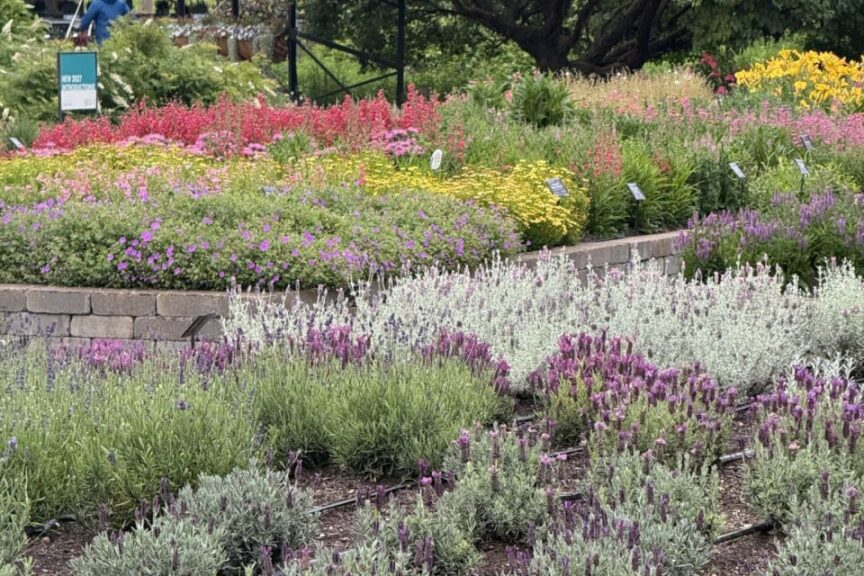
This was my first time attending Darwin Perennials Day at The Gardens at Ball, and my first impression was how much color and bloom power filled the display beds. Everywhere I looked, perennials were being shown in full force, from comparison gardens and standard varieties to pollinator plantings, lavender displays, cut flower beds, and mixed combinations.
View all
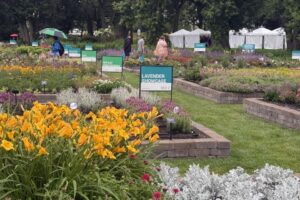
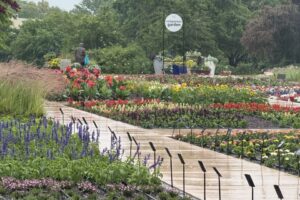
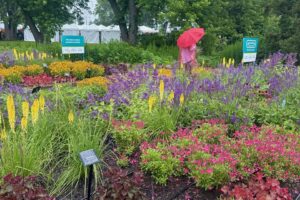
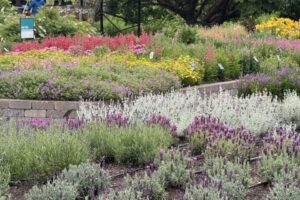
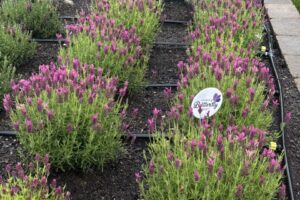
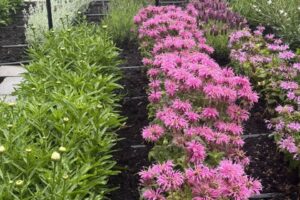

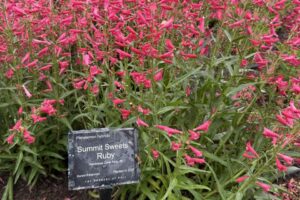
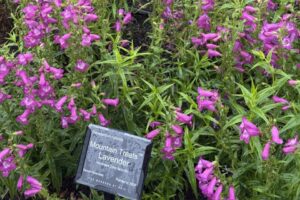
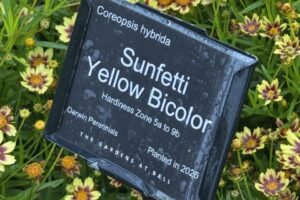
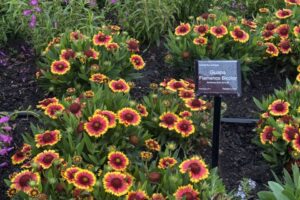
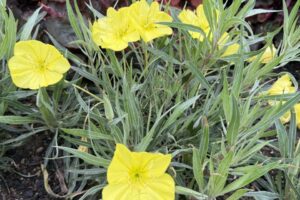
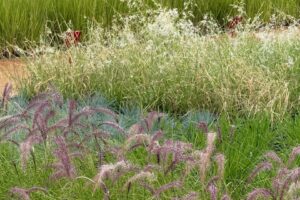
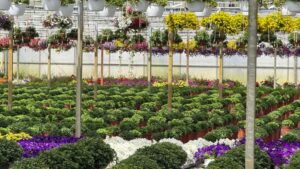
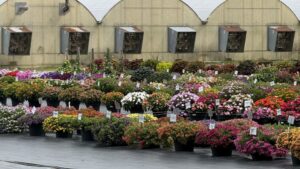
The campus made a strong first impression, too. Bright annuals, layered plantings, bold color combinations, and container displays carried through the space from the moment I arrived. It was easy to see the intent behind each area and how those ideas could connect back to the garden center, greenhouse, or home landscape.
The weather also put the plantings to a real test. What started as a light drizzle turned into a downpour, but after hours of wet conditions, many of the beds still had structure, color, and presence.
Some of my favorite areas were the mixed perennial beds. They paired different foliage tones, plant habits, textures, and bloom colors in ways that felt intentional rather than simply planted. Those combinations made a strong case for showing perennials as part of a larger garden idea, not just as individual varieties on a bench.
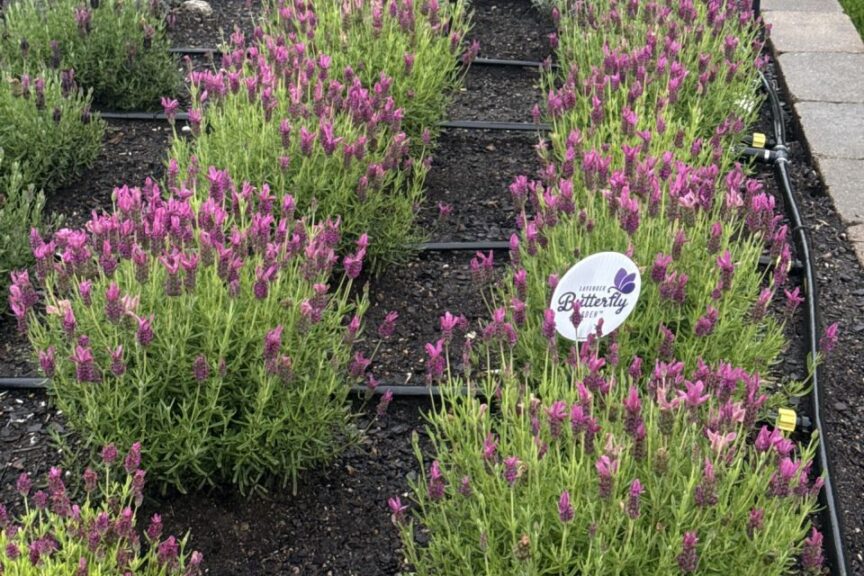
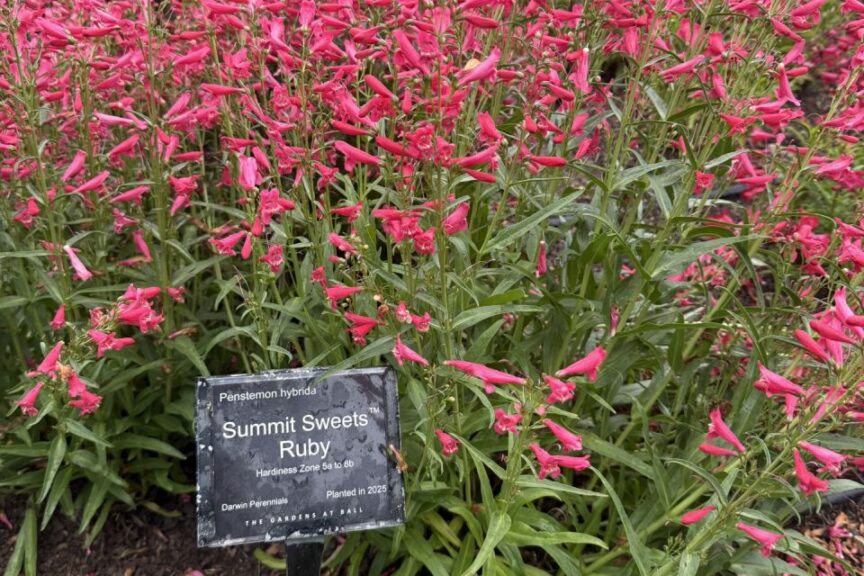
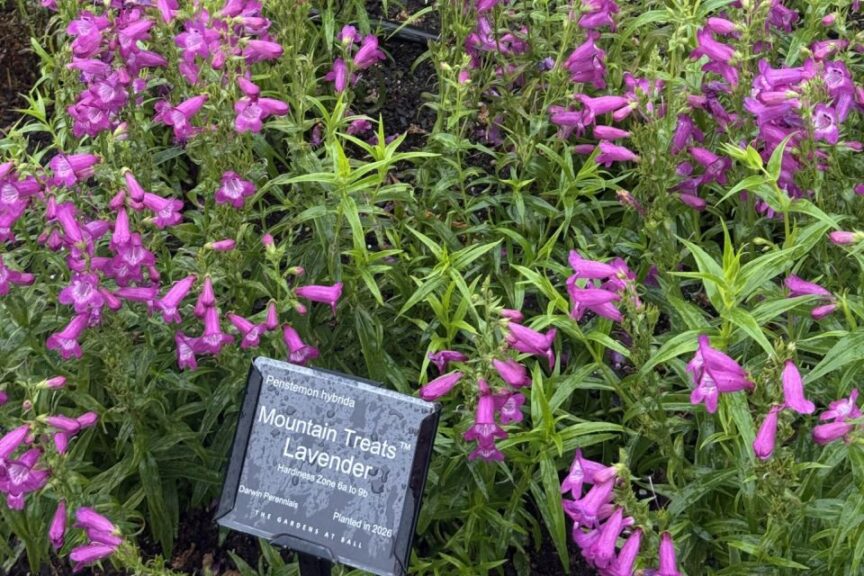
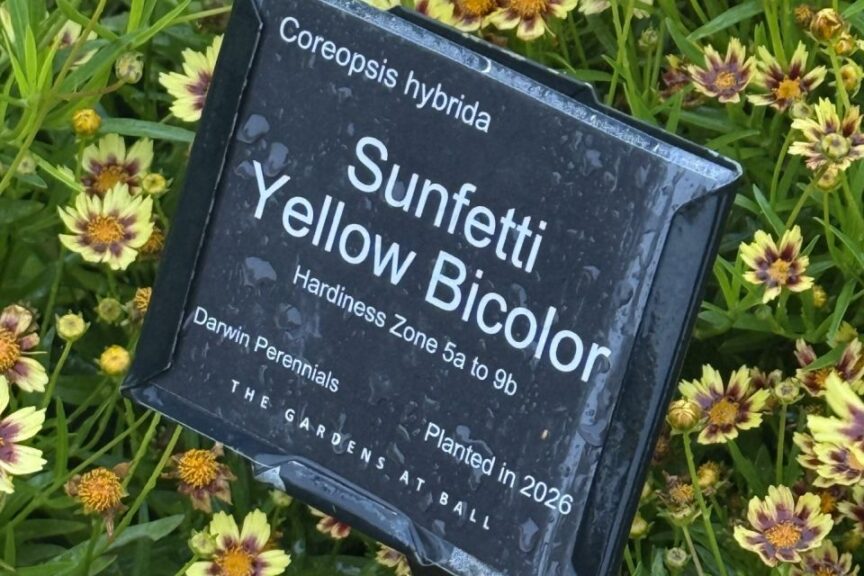
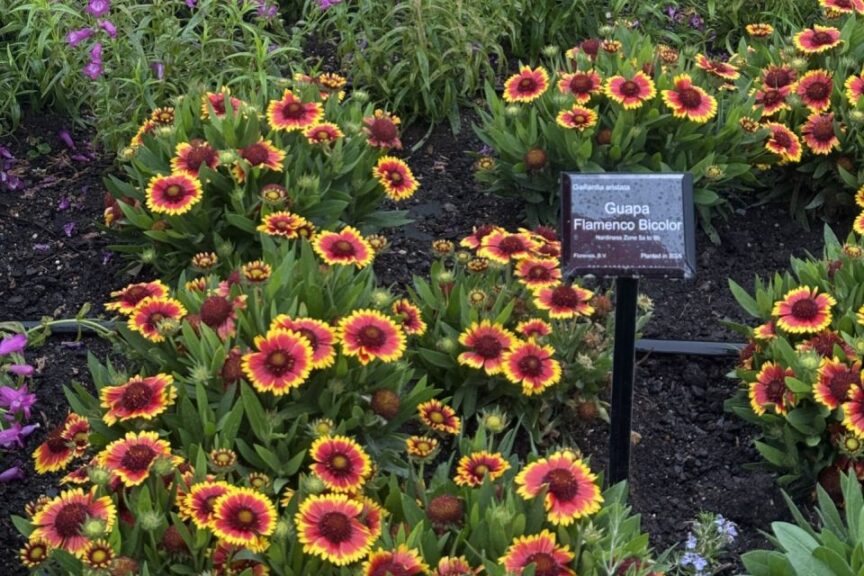
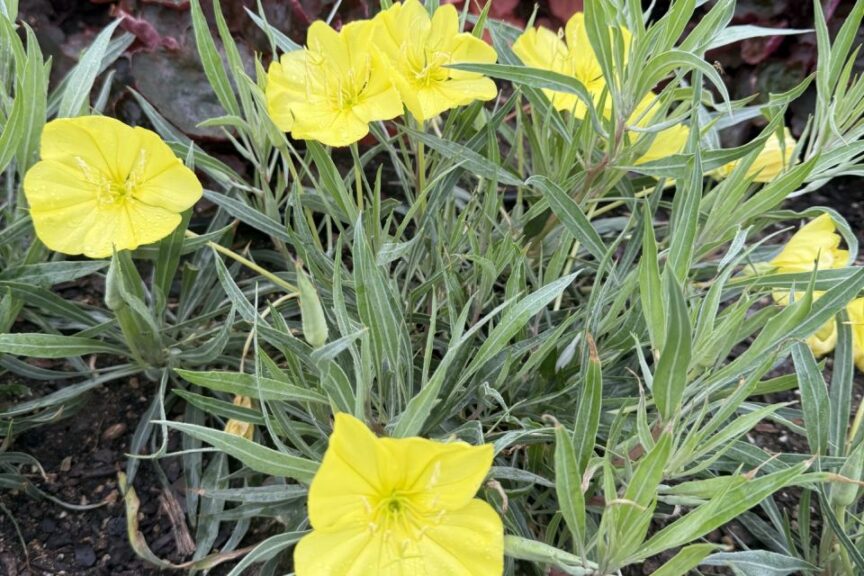
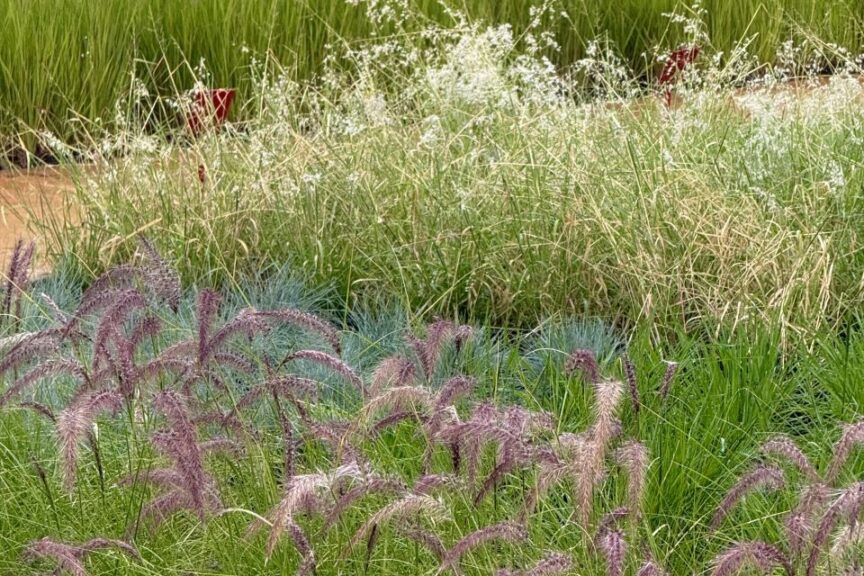
Several individual plants caught my attention as well. Penstemon ‘Summit Sweets Ruby’ and ‘Mountain Treats Lavender’ brought strong color and flower coverage, while Coreopsis ‘Sunfetti Yellow Bicolor’ stood out for its small bicolor blooms. Delphinium hybrida ‘Red Lark’ was one of the prettiest plants I saw; it had large blooms and bold color that immediately drew me in. Oenothera ‘Evening Sun,’ Gaillardia ‘Guapa Flamenco Bicolor,’ Hemerocallis ‘DayScape Golden Yellow,’ Lavandula stoechas ‘Butterfly Garden Poppin’ Pink,’ Achillea ‘New Vintage Violet,’ and the new seed variety Pennisetum ‘Fuzzy’ also showed the range on display, from bright flowers to softer texture and movement.
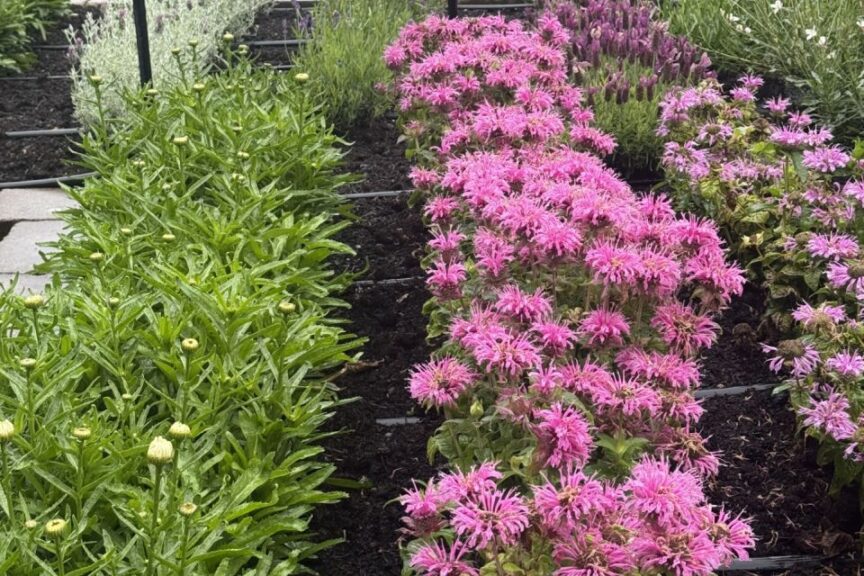
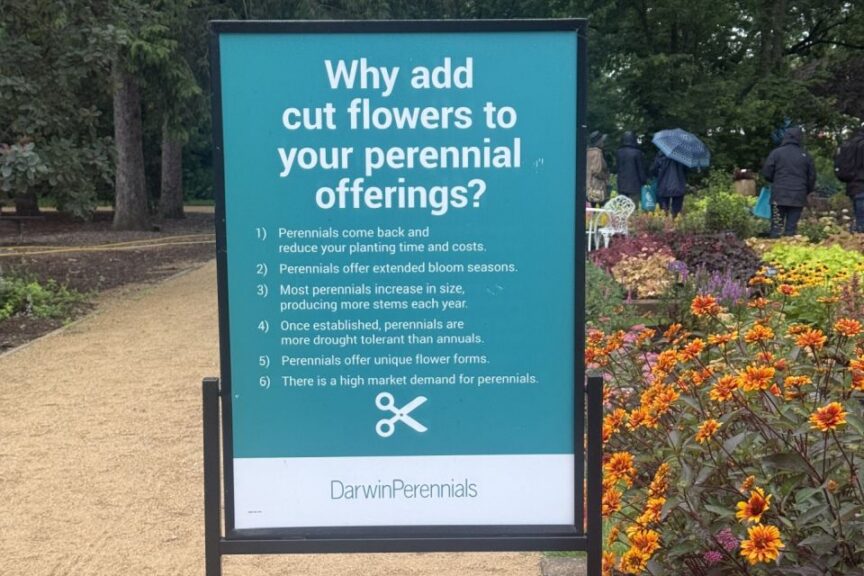
The cut flower bed added a practical market angle. Many perennials return each year, reduce replanting time, extend the harvest window, and often produce more stems as they mature. They also bring flower forms and textures that can make bouquets feel more distinctive. For growers, that adds production value. For homeowners, it supports the interest in planting cutting gardens of their own. Plants such as Echinacea, Rudbeckia, Salvia, Achillea, Lavandula, Monarda, and ornamental grasses can be sold as garden plants while also offering stems, fragrance, pollinator value, and seasonal interest.
The Chicago Botanic Garden session with Richard Hawke added helpful context to the variety discussion. His trial program evaluates perennials for four years, while shrubs and vines are evaluated for six. The plants are judged on soil adaptability, winter hardiness, disease and pest resistance, ornamental traits, habit, and growth rate. They are also left to perform without extra help, which gives growers and gardeners a clearer picture of how they might hold up after leaving the greenhouse.
That kind of trialing is especially important in Midwest conditions, where plants have to handle cold winters, wet springs, heat, humidity, clay soils, and quick weather swings. A few of the plants highlighted during the session included Achillea millefolium ‘New Vintage Terracotta,’ Amsonia ‘Blue Behemoth,’ Baptisia ‘Honey Roasted,’ Clematis ‘Stand by Me Lavender,’ Hylotelephium ‘Midnight Velvet,’ Nepeta ‘Prelude Blue,’ Salvia nemorosa ‘Rose Marvel,’ Schizachyrium scoparium ‘Cinnamon Stick,’ and Muhlenbergia reverchonii ‘Undaunted’. The program is also adding pollinator studies into its trials, which adds another layer to how plant performance is being evaluated.
Between the new varieties, comparison plantings, standard varieties, lavender displays, pollinator gardens, cut flower beds, and trialing information, Darwin Perennials Day offered more than a look at what is new. It showed how perennials are being grown, trialed, merchandised, and positioned for growers, retailers, landscapers, and home gardeners.
For those who were unable to attend, I hope the photos offer a closer look at what was happening in the gardens that day. From variety performance to display ideas and market direction, there was plenty to bring back from the event.
Subscribe to eNewsletter