



How To Build a Process Improvement Plan for Your Greenhouse Business That Works

“Building a Better Business: How to Create a Process Improvement Plan That Actually Works.” | Ferguson Alliance
As your business grows and evolves, so must the systems and processes that support it. Without intentional effort, small inefficiencies can snowball into major issues.
To prevent problems from sneaking up on you, you need a proactive process improvement plan.
What is a Process Improvement Plan?
Simply put, a process improvement plan is a detailed roadmap that outlines the steps an organization will take to identify and implement changes to improve its existing systems and processes. It helps address inefficiencies, uncover new opportunities, and enhance overall performance.



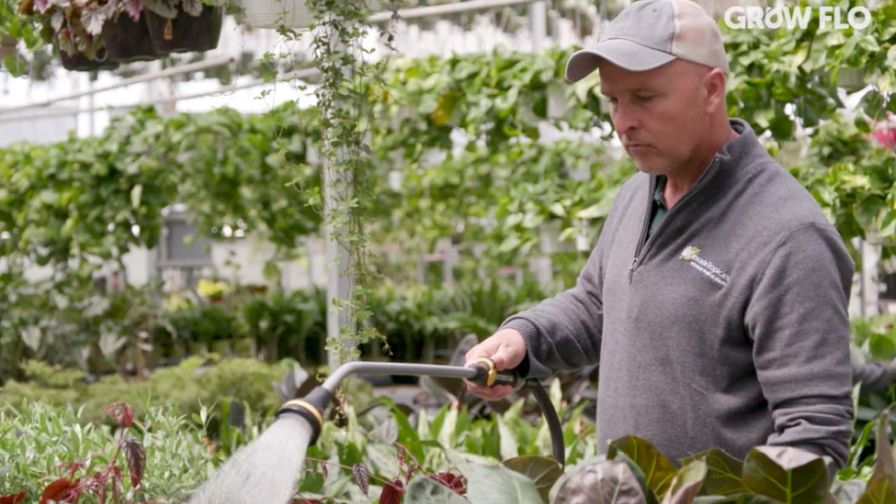
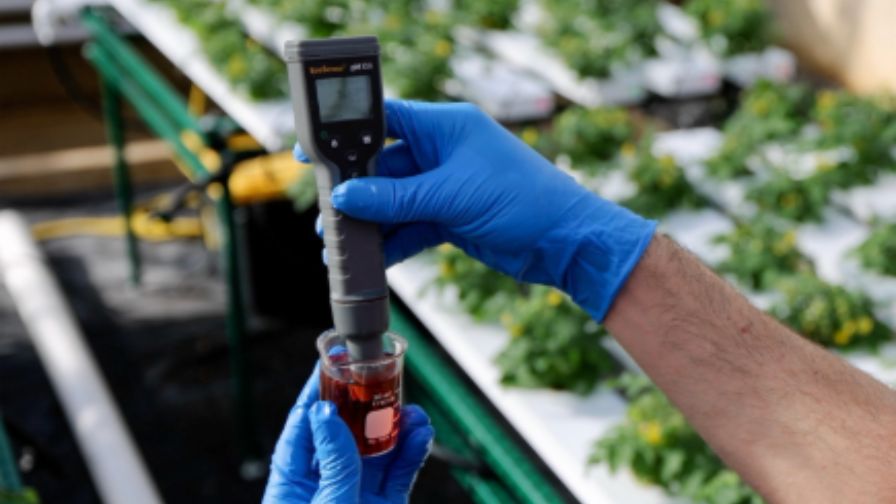
However, creating an effective plan is about more than just documents and checklists. It’s about engaging your people, understanding what’s actually happening on the ground, and fostering a culture that supports change.
How to Begin the Process Improvement Journey
Planning for process improvements can (and should) look different for every business. However, a few best practices can dramatically increase your odds of success.
1. Choose a Partner You Trust
When you realize that change is needed, the first step is selecting a trusted partner. This means someone who can observe your processes without preconceived notions about how things “should” be done in your business.
An effective partner will:
- Gather data.
- Sit down with your key employees and line staff.
- Ask probing questions like: “What do you do? How do you do it? Who gives you the work? Who do you pass it to?”
A good partner validates information through multiple interviews, cross-checks with supervisors, and protects confidentiality every step of the way.
2. Involve Your Team Early and Often
Your team’s insight and buy-in are absolutely essential. No one can derail a project faster than an employee who feels excluded or threatened.
Avoid “change fatigue” by:
- Bringing the team into the planning conversation early.
- Clearly articulating why change is needed.
- Explaining how the improvements will make their lives easier.
- Making them part of the solution, not just recipients of new rules.
Sometimes it makes sense to “chip away” at change — making gradual improvements with plenty of communication and feedback loops.
Other times, if the organization is ready, you may “turn the basket upside down” and overhaul processes quickly.
The key is understanding your people and what they need to succeed.
3. Make a Clear, Detailed Plan
With your partner chosen and staff informed, it’s time to create a solid plan. Start by:
- Setting a timeline with clear start and end dates (to prevent “scope creep”).
- Defining a budget.
- Identifying the specific processes and departments to review.
Don’t just chase easy wins. Prioritize changes that offer long-term benefits over quick fixes. Form an internal team to review recommendations and help decide how best to implement them.
Assign someone from your management team to oversee the rollout. Regular check-ins (weekly or bi-weekly) with your partner are critical to monitor progress and troubleshoot any issues.
Without diligent follow-through, agreed-upon changes can easily get lost between intention and execution.
For the final two best practices that businesses should follow for process improvement, please read the original article found on the Ferguson Alliance website.
Subscribe to eNewsletter
