



How to Protect Workers from Extreme Heat in Greenhouses and Nurseries
 June 28, 2025
 As global temperatures continue to rise, extreme heat has become a growing concern for industries operating in outdoor and high-temperature environments, including horticulture and greenhouse operations.
As you know, greenhouse operations are often enclosed and retain heat by design. That poses unique heat-related health risks to workers — and increases employers’ responsibility to help protect them. Extreme heat is responsible for more deaths in the U.S. than any other weather-related hazard.
The Consequences of Extreme Heat in Workplaces
Greenhouse environments can become dangerously hot, especially during summer when sunlight intensifies and temperatures rise.
Heat-Related Health Risks for Workers
In high-heat conditions, a worker’s body may struggle to regulate internal temperature. This can lead to heat-related illnesses that come on fast, such as:
- Heat Rash – Skin irritation from excessive sweating.
- Heat Cramps – Painful muscle spasms caused by loss of salt and fluids.
- Heat Exhaustion – Characterized by heavy sweating, weakness, dizziness, nausea, and headache.
- Heat Stroke – A life-threatening emergency with symptoms like confusion, rapid breathing, high body temperature, and unconsciousness.
The greenhouse environment intensifies these risks due to high humidity, radiant heat from glass surfaces, and limited airflow. That’s never more true than in summer when temperatures soar and we face record-breaking heat waves.


Operational Costs of Heat Stress
The consequences of extreme heat extend beyond worker health. Operationally, overheating can reduce employee productivity, impair concentration, and increase the likelihood of workplace accidents. Absenteeism may spike as workers struggle with heat-related symptoms or recover from heat illness.
The ramifications can be even more significant from a financial and legal perspective. Workers’ compensation for heat illness has been steadily rising. Heat-related claims in the horticulture industry are becoming more common, especially among newer workers or those returning after time off who haven’t acclimated to high heat.
Data shows that workers under 35 and those on the job for fewer than 60 days are the most likely to experience heat-related illnesses. These workers’ compensation claims can increase insurance premiums, lead to lawsuits, and damage a company’s reputation.
6 Strategies to Protect Workers from Extreme Heat
Employers can engage several proactive, comprehensive, and cost-effective strategies to significantly enhance worker safety, morale, and productivity in the heat. Here are six strategies to protect workers from extreme heat:
1. Implement Workplace Heat Safety Protocols
These protocols should:
- Require regular rest breaks in shaded or cooled areas.
- Adjust work schedules to avoid peak heat hours (usually 11 a.m.-3 p.m. daily).
- Mandate monitoring of indoor temperatures using thermometers or sensors.
- Provide a system for supervisors to respond quickly to signs of heat stress.
These actions are part of a broader workplace heat safety protocol that signals an organization’s commitment to employee welfare.
2. Provide Heat Illness Prevention Training
Employees must be trained to recognize heat-related symptoms — in themselves and coworkers. Heat illness prevention training should include how to:
- Recognize early signs of heat stress.
- Maintain proper hydration and electrolyte replenishment.
- Take emergency response steps for heat stroke.
- Manage acclimatization for new or returning workers.
Heat illness prevention training empowers workers — and supervisors — to take ownership of their safety and support one another during extreme conditions.
3. Conduct Heat Risk Assessments
Understanding where and when heat poses the most significant risk is crucial. Greenhouse managers should conduct routine assessments to identify high-heat zones, tasks with elevated risk levels, and peak exposure times. These insights can help inform where to place cooling stations, when to schedule certain activities, and which teams need additional support.
4. Maintain Hydration and Cooling Stations
Hydration strategies for outdoor workers are the most straightforward and effective defense against heat illness. Greenhouse and nursery operators should:
- Provide cool water and electrolyte drinks such as Gatorade throughout the facility and nearby for those working in more expansive outdoor areas.
- Encourage workers to hydrate every 15-20 minutes, even if they’re not thirsty.
- Use urine color charts to help workers self-assess hydration levels.
Additionally, cooling stations should be installed and equipped with fans, misters, or air-conditioned trailers to provide relief during breaks.
5. Use Appropriate Personal Protective Equipment (PPE)
While PPE is essential for safety, specific gear can exacerbate heat retention. Whenever possible, opt for:
- Lightweight, breathable, and light-colored fabrics.
- UV-protective clothing and wide-brimmed hats.
- Moisture-wicking shirts or cooling vests designed for hot environments.
If your workers must wear PPE, choose models specifically designed for heat exposure to prevent compounding the risk.
6. Modify the Physical Greenhouse Environment
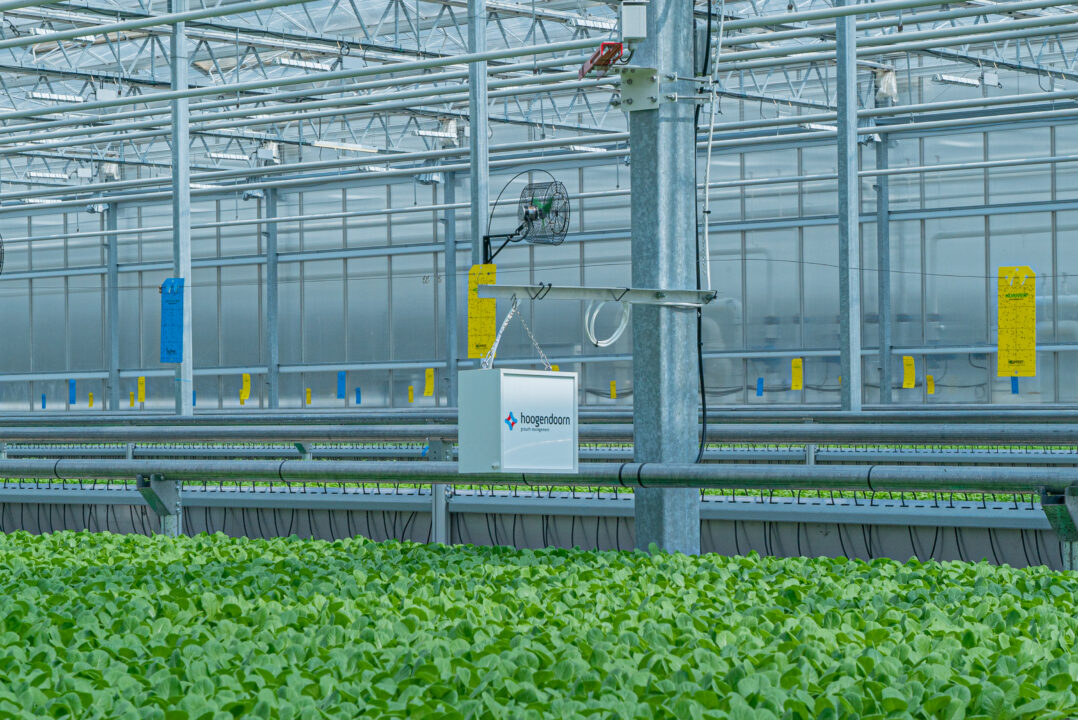
Facility upgrades can dramatically reduce indoor heat. As Hortica’s Summer Greenhouse Maintenance Tips article highlights, enhancements such as ventilation systems, shade cloths, evaporative cooling systems, and reflective roof coatings can help control internal temperatures. These facility improvements don’t just protect workers — they also support healthier plants and more consistent growing conditions.
Insurance Implications and Risk Management
Heat-related incidents directly threaten a business’s risk profile and insurance premiums. The likelihood of heat claims increases in industries where seasonal labor is common. Employers must work closely with their risk management team, insurance carriers, and brokers to:
- Document heat mitigation strategies.
- Demonstrate compliance with OSHA’s Heat Illness Prevention campaign.
- Incorporate heat exposure into onboarding and training programs.
- Develop a written emergency plan that includes response procedures and supervisor responsibilities.
Proactive planning can reduce heat-related illness claim frequency and severity, minimizing workers’ compensation for heat illness and avoiding penalties or legal exposure.
Final Thoughts: Creating a Work Culture Around Heat Safety
Extreme heat isn’t a rarity — it’s a predictable seasonal challenge. For greenhouse and nursery operators, this means recognizing heat stress prevention as a core element of safety and employee care. Implementing the right mix of assessments, training, hydration protocols, and facility improvements protects workers and enhances morale, operational efficiency, and long-term financial stability.
As summer approaches, it is time to implement extreme heat safety strategies. Protecting workers from heat is no longer optional — it’s an operational necessity and a sign of responsible leadership in the horticulture industry.
Subscribe to eNewsletter