



Trump Administration and Floriculture: Tariff and Funding Cut Effects Linger
 September 25, 2025
 On occasion, the editorial team at Greenhouse Grower and Meister Media Worldwide will bring you the latest updates from the Trump administration’s policies and their impact on floriculture, from labor to the farm bill to funding for anything from federal loans to research and Extension. We also want to hear from you. What questions do you have about immigration enforcement, tariffs, or other topics? Let us know, and we’ll do our best to get you answers.
Here’s our update for Sept. 25.
Funding Delays Compromising Ag Research
A recent article on Science.org highlights the setbacks that USDA-funded research has experienced in 2025 thanks to the administration’s freeze on research pending reviews.
“Competitive grants, which fund research at universities and other organizations, have fared the worst,” the article notes. “As of September 16, with two weeks left before the end of this fiscal year, USDA’s center for extramural research funding, the National Institute of Food and Agriculture (NIFA), had awarded just 558 competitive grants, according to its public database. That’s 68% fewer than during the prior fiscal year—and $741 million less in competitively awarded research funds. In contrast, the $800 million of so-called capacity funds, which are largely distributed by formulas to certain universities, has all been committed.”



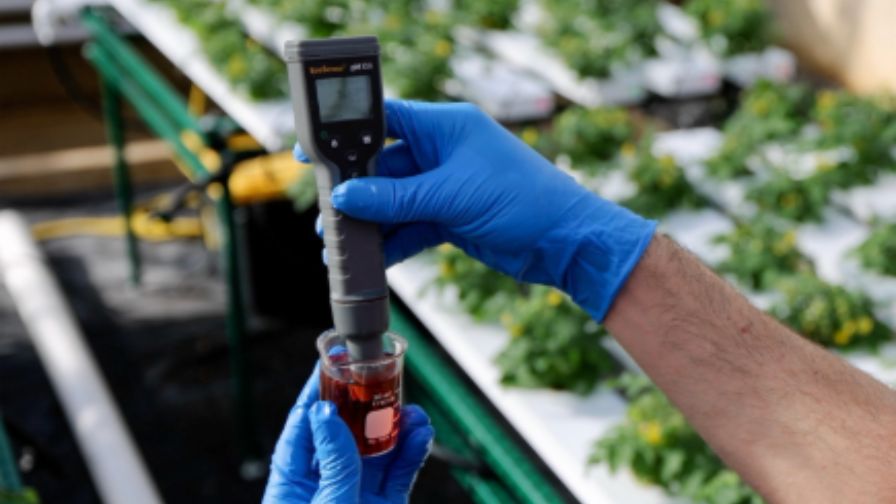
Even for scientists who were awarded grants, the path hasn’t been smooth. According to USASpending.gov, a federal database, USDA turned the spigot back on for many suspended grants in August. But the delays complicated research plans. Many labs have delayed hiring postdocs or project managers or have had to scramble to find other support.
Read the entire article here.
Tariffs Impacts on the Floral Industry
A report on SupplyChainBrain.com provides insights from Gregg Weisstein, co-founder of BloomNation (an online platform for 3,500 local flower shops across the U.S.) the plight of the U.S. flower industry in the face of tariffs.
The latest round of tariffs imposed by the Trump Administration is impacting florists. The majority of their product is imported, with most flowers that enter the U.S. sourced from Central and South America, which benefit from a favorable climate and low-cost labor, Weisstein says. In addition, the floral industry imports large amounts of hard goods, including vases and containers for arrangements, primarily from China.
“All costs are going up,” Weisstein says. For their part, small flower businesses typically operate on tight margins and have little negotiating leverage with suppliers. As a result, they’re forced to accept higher prices for their goods.
Weisstein says florists are working with suppliers to get the best possible price, but to date they’ve had to absorb some extra costs, and pass on others to customers, in the face of an across-the-board tariff of 10%, and an even higher amount on goods from China. On average, he says, the industry has seen an increase in order value of 3% to 5%.
Find the original article here.
Other Headlines
Michael Frantz Delivers Industry Perspective to U.S. House Agriculture Committee: Frantz shared perspectives on crop insurance, disaster relief, and more during the hearing. Learn more here.
Dr. Charlie Hall on Knowing Your Costs and Value: AmericanHort Chief Economist Dr. Charlie Hall unpacks tariffs, inflation, rising costs, and what growers can do to stay profitable in 2026. Learn more here.
How You Can Help Support Horticulture Research Funding (Video)
American Floral Endowment has been involved in ongoing discussions on alternative strategies to support horticulture research projects in the wake of funding uncertainties. Watch the video here.
Subscribe to eNewsletter