Management Meet the New Faces at Eason and Star Roses and Plants By Eason Horticultural Resources (EHR) | Star Roses and Plants|October 21, 2026
Universities Collaborate on Innovative Climate-Resistant Greenhouse Research By Nick Matysik|August 2, 2024 The University of South Dakota is the latest to join a group of universities researching greenhouse climate resistance.
CEA HERB Team Announces New Research Grant and Stakeholder Meeting By Michigan State University|August 2, 2024 The Controlled Environment Agriculture Herb Extension and Research Base team will discuss research results at its annual stakeholder meeting.
Special Recognition Award Recipients Announced at the 2024 PPA National Symposium By Perennial Plant Association|August 1, 2024 The Perennial Plant Association recognized five award winners at its 2024 National Symposium held in Asheville, NC.
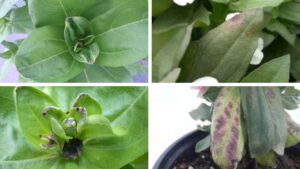
How to Identify and Prevent Calcium and Magnesium Deficiencies in Zinnias By Nick Matysik|August 1, 2024 The latest e-Gro alerts from Brian E. Whipker and Patrick Veazie of North Carolina State look at nutrient deficiencies in zinnias.
Don’t Miss Greenhouse Grower’s Digital Deep Dive on Plant Growth Regulators Posted by Brian Sparks|July 30, 2024 Greenhouse Grower’s Digital Deep Dives are designed to provide greenhouse professionals with an up-to-date understanding of a range of […]
‘Irrigation Water Quality and Treatment’ Continues 2024 Greenhouse Training Online Series By UF/IFAS News|July 29, 2024 The 2024 Greenhouse Training Online program from the University of Florida continues on Aug. 12 with ‘Irrigation Water Quality and Treatment.’
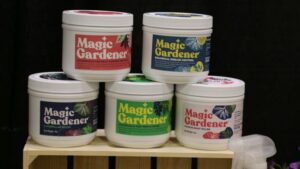
More New Products That Caught Our Attention at Cultivate’24 By Greenhouse Grower staff|July 25, 2024 At Cultivate’24, Greenhouse Grower sponsored the ‘New Products Zone’. Here’s a look at the rest of the products featured in that collection.
Last Chance to Complete Survey on Sustainability in U.S. Floriculture Industry By Sustainabloom|July 25, 2024 The survey on sustainability, from a North Carolina State University research team and the American Floral Endowment, closes on Aug. 9, 2024.
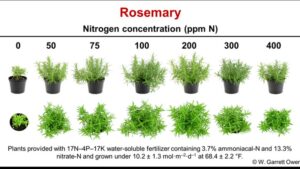
Video of the Week: Investigations into Basil, Gerbera, and Rosemary By Nick Matysik|July 23, 2024 The latest videos from e-Gro investigate common issues of crop production relating to basil, gerbera, and rosemary.
How to Educate New Growers on the Benefits of Biologicals By Nick Matysik|July 23, 2024 The Greenhouse Grower entry into the Global Insight Series report on Biological Crop Protection looks at the importance of grower education.
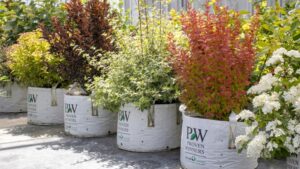
Proven Winners ColorChoice Debuts New Sustainable Plant Package By Spring Meadow Nursery|July 22, 2024 Partnering with Spring Meadow Nursery, Proven Winners ColorChoice Shrubs has announced a sustainable plant package created by PlantRight.
Atticus EcoCore Division Grows with New Products and Hires By Atticus|July 19, 2024 The company’s EcoCore Division announced new developments, including three products and the hiring of Ty Ferraro as Senior Business Director.
CEAg World Is Leading the Way in Covered Produce Production By CEAg World|July 19, 2024 CEAg World is covering all the news in the CEA market, with the latest advancements featured at its upcoming conference and expo in August.