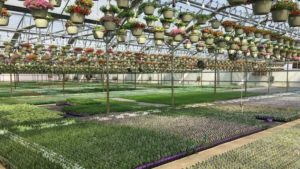
Today’s growers, regardless of the crops you’re growing, understand the benefits of nurturing plants to create healthy, high-quality, and profitable crops.
Energy costs for 2023 promise to be a crucial place for businesses to focus so controlled environment agriculture operations can maintain profitability.
Growers can earn a plant health professional certificate by taking greenhouse online courses administered through Michigan State University Extension and the University of Florida.
Ludvig Svensson recently developed a floral shading guide that explores the various ways that shading screens can be used to help improve yield, quality, and health of flowers.
The Vineland Research and Innovation Centre’s work with the Canadian horticulture market aims to define and address today’s challenges and opportunities.
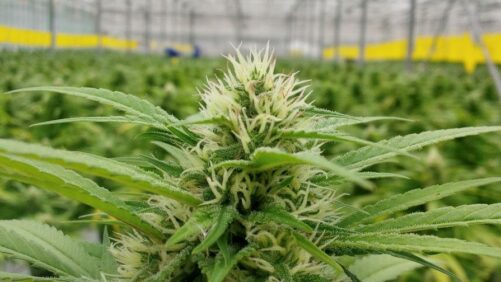
While there is no universally recommended planting density for cannabis, most programs utilize flowering plants at an average of .65 to one plant per square foot.
The report from IUNU, which includes information on spread, detection, and diagnostics, was developed based on input from commercial tomato growers across North America.
The greenhouse lettuce grower is partnering with autonomous growing specialist Blue Radix to optimize energy and climate control throughout the company’s expanding network of facilities.
The growing environment in greenhouses has a profound effect on numerous crop quality attributes, including crop yield, consistency, growth rate, flowering, and disease.
By changing the amount of light exposure plants such as poinsettias and cannabis receive on a daily basis, growers can manipulate when they grow and blossom.
The Michigan State University Extension floriculture team has developed an informative lineup of education sessions that cover perennially popular subjects, current issues, and contemporary topics.