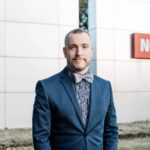
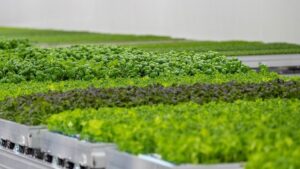
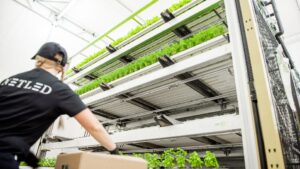
In an exclusive interview, Local Bounti co-founder and co-CEO Craig Hurlbert outlines the keys to the company’s business model, and what it will take for the company and others in the controlled-environment agriculture industry to survive.
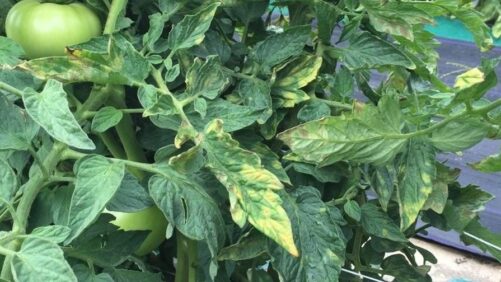
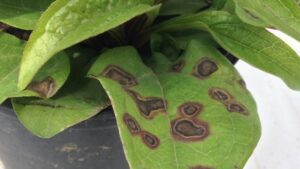
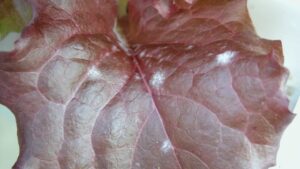
Management of leaf mold begins with recognizing early symptoms, applying preventative fungicides, and removing all infected plant material from the greenhouse.
The Indoor AgTech Innovation Summit is a week away, and one of the big focuses will be the unprecedented growth of the controlled-environment agriculture landscape.
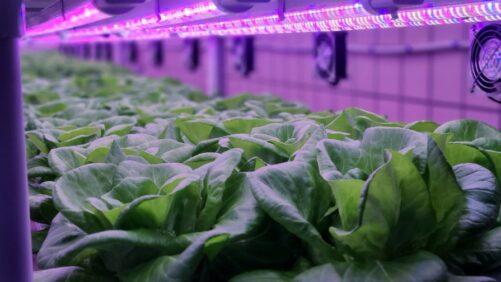
Intra-canopy lighting could be exactly what greenhouse vegetable growers need to maximize their crops’ potential and secure the future of their business.
The Ontario Greenhouse Vegetable Growers is partnering with the University of Windsor and Kruger Energy to investigate using wind farms to power and heat greenhouses in Southwestern Ontario.