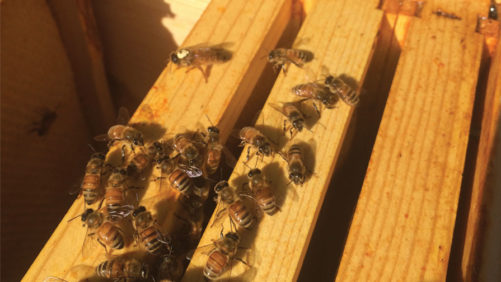
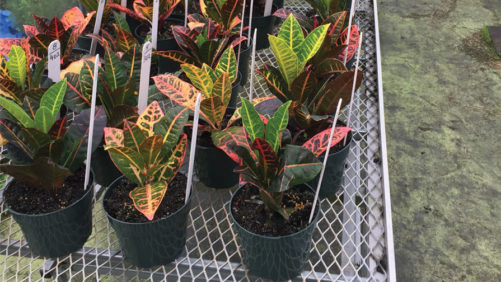
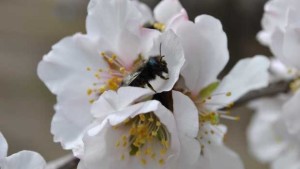
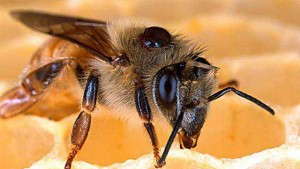
In spring 2014, Bell Nursery stopped using neonicotinoids to find out how it would impact production. Then the operation began keeping bees to learn more.
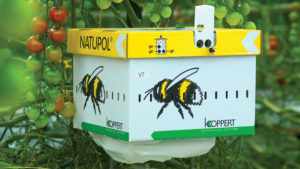
As the greenhouse produce industry continues to work toward keeping up with year-round demand for locally grown food, growers are finding that natural pollination is one way to increase yield, improve fruit quality, and reduce labor.
Recently, mainstream media reported that certain bee species have been placed on the endangered species list, but the situation isn’t as dire as one might think.
Public interest in protecting bees and other pollinators has initiated a new market for flowers that are good food plants for pollinators. Here’s a list of annuals Michigan State University Extension recommends that are attractive to bees and other pollinators.
While the Environmental Protection Agency conducts preliminary risk assessments of neonicotinoid pesticides and retailers phase them out, the industry focuses on promoting pollinator gardens.