



Do AI Flowers Pose a Threat to the Floral Industry?
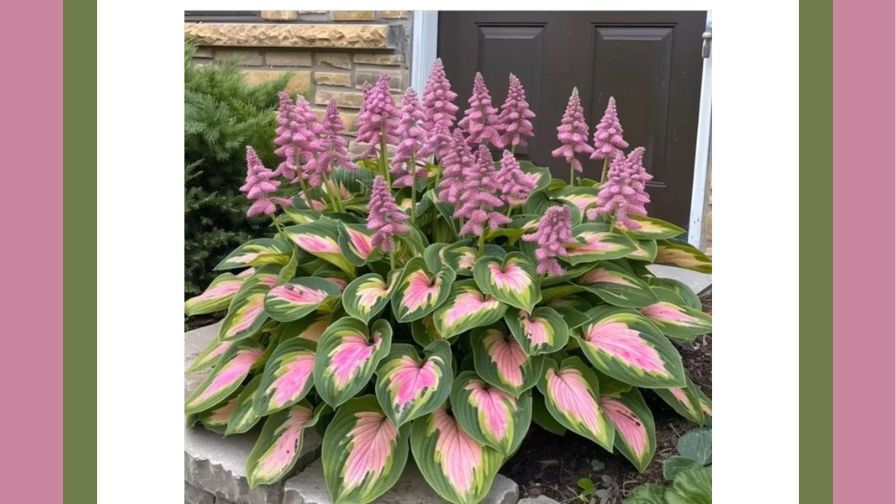
This image of a Hosta was generated by AI, but consumers believed it was real and asked to buy it at a garden center. | Created by AI
Not long ago, in a Zoom meeting, there was a sleek, modern office background — complete with a stunning floral wall behind the conference table. But as beautiful as it looked, something about it was… off.
The flowers were flawless. Too flawless. Roses the size of dinner plates. Colors too uniform. Textures too polished. It was the kind of background that looked incredible at first glance — but if you know flowers, it didn’t take long to notice: this was AI-generated.
Someone on the call smiled and said, “That floral wall is amazing — but those are AI.”
If AI-generated flowers already look this good, what happens when they get better? Will people start using these visuals instead of real products? Should the industry worry, or embrace it?



That one Zoom call led to something deeper: a reflection on how AI, when used with purpose, might actually help our industry. Not replace it — but support it. If used intentionally, it can help us do what we’ve always done — put real flowers at the center of the story, only now with AI to back it up.
Flowers Are Alive, and That’s Their Superpower.
Let’s get one thing clear: AI can mimic a lot of things, but it will never grow a flower. AI can create the image of a flower, but it can’t give you the scent of a freesia in full bloom. It can’t offer the feeling of soft petals between your fingers or the quiet energy that comes from something real, grown from the earth, the emotional connection.
But here’s what it can do: AI can help us share flowers in ways we’ve never imagined — sparking curiosity, wonder, and beauty. When used creatively, AI content doesn’t replace flowers. It draws people toward them, and it can create beauty around them.
Visuals can be created that go beyond physical limitations. A rainbow made of roses. An ocean of hydrangea. Entire dreamscapes of blooms that, while digital, stir a deep desire to experience the real thing.
Ways AI Can Make Life Easier for Floral Professionals
Whether you’re managing a shop, wholesaling blooms, planning events, or growing flowers, AI has the potential to simplify parts of your work, save you time, and sharpen how you show up online.
1. Branded Visuals That Capture Attention
AI tools can help you design customized floral imagery in seconds. Think campaign banners, product features, digital lookbooks, or even stunning header images for newsletters — all tailored to your brand. And with no photography required.
2. Test Ideas Without Cutting a Stem
Floral professionals are using AI to stage installations, experiment with color combinations, and plan bouquet recipes before touching a single bloom. Some upload product photos and ask AI to generate pairing ideas or styling suggestions — saving time, money, and waste in the process.
3. Content Creation That Saves You Hours
From email copy and website blurbs to Instagram captions and floral care tips, AI writing tools can help you draft content more efficiently. You still guide the voice — it just helps you get started (or get unblocked) faster.
4. Inspiring Through Play and Visual Storytelling
Jet Fresh Flowers is one of the floral companies boldly experimenting with AI, not just for marketing efficiency, but to spark creativity and connect with their audience in unexpected ways.
As Ryan Black, Marketing and Media Director of Jet Fresh, explains, “The goal is to experiment, to inspire, and to share our team’s creativity.”
The results speak for themselves. Some of their AI-generated posts have actually outperformed their traditional content in views, engagement, and shares, showing that when AI is used with intention, it can create emotional reactions and start new conversations around flowers.
So, Should Floral Professionals Be Worried?
It’s natural to be cautious. But the real risk is in sitting it out.
While writing this blog, there appeared a powerful reflection by Arnold Wittkamp from Thursd. He writes, “AI is impressive. It can write articles, generate artwork, hold a conversation, and mimic voices. It can attend meetings on your behalf, even replicate your tone. But while it can simulate, it cannot sense. It doesn’t know what a rose smells like at sunrise. It doesn’t understand the quiet joy of soil under your fingernails. It doesn’t feel the rhythm of seasons. That’s why I believe the future will swing back toward the physical. Back to what’s real. We will crave authenticity, not just in people, but in experiences. We’ll want conversations in person. Time in nature. Beauty that can’t be deepfaked.”
For additional information on AI use and its implications on the floriculture industry, please read the original article found on the New Bloom Solutions website.
Subscribe to eNewsletter