



Questions About Greenhouse Heaters? Here Are Some Helpful Answers
 December 26, 2025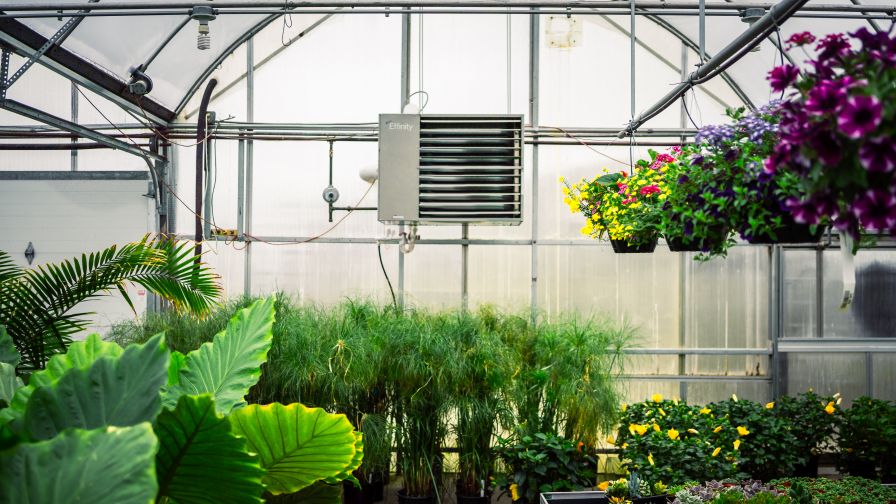
Photo: Modine
Note: In the article below, Jamie Tuinstra of Modine answers some of the most important questions growers may have about maintaining unit heaters.
What are the most common issues you see with unit heaters in commercial greenhouses, and how can owners spot early warning signs before they become major problems?
From my experience, the most common issues people have with unit heaters in their space are due to installation and setup, specifically installation of the vent systems. If the vent systems are installed improperly, it will affect the way that these units operate and can cause nuisance failure issues. Following the installation manual, along with local codes, will help ensure that these units are vented properly to allow the units to work as intended.
The second most common issue that we see from greenhouses is gas pressures not set properly on the unit. For these units to run as efficiently and properly as possible, the gas pressure has to be set on every unit that’s installed. If pressures are not set correctly greenhouse owners could be paying more for fuel, making the unit work harder or not heating the space properly. This is a critical item for ensuring these units run properly and last as long as they possibly can.


How often should greenhouse operators schedule routine maintenance for their unit heaters, and what tasks should be included in a comprehensive preventative care checklist?
Greenhouses should schedule time to inspect every unit at least once a year. Specifically, they should make time to inspect all vents, inspect the heat exchanger, clean any components, check and set gas pressures, and perform an overall visible inspection of the complete unit.
In your experience, what impact does poor or inconsistent maintenance have on greenhouse climate control, plant health, and energy costs?
The most common issue we see when greenhouses don’t maintain their equipment is premature breakdowns of the units. These early breakdowns in the units can be costly for the grower, and a worst scenario would be the loss of crops. Maintaining your equipment annually can be one of the easiest and most cost-effective ways to keep your equipment running safely for many years.
How does high humidity in greenhouse environments impact the lifespan of unit heaters, and what mitigating steps can operators take?
Moisture in the air certainly can affect any equipment in those spaces. It’s hard to mitigate against moisture given these spaces are designed to maintain moisture in the air. The most effective thing to do would be to annually check these units for wear and tear from the moisture in the space and replace or clean anything that looks like it’s starting to be affected by the humidity.
What are the most overlooked components during heater maintenance, and how do these oversights affect performance or safety?
The most overlooked component during maintenance checks is the gas pressure. This critical item affects the overall running of the unit, the efficiency of the unit and the gas bill that the consumer is paying to run the unit. This is an easy check to do every year. All it takes is being able to use a manometer and set the gas pressure according to the fuel type that the unit is burning. Natural gas would be set at 3.5 inches of water column. Propane gas needs to be set at 10 inches of water column. These settings should be on the manifold side or outlet side of the gas valve. This indicates the gas pressure the burners are running at.
What advancements have been made in modern unit heaters that make retrofitting older systems worthwhile for greenhouse operations?
There a number of improvements made over the years that help these growers, but efficiency would be the biggest one. Fuel bills are probably one of the biggest expenses for greenhouse growers. Having older, less efficient units can cost the grower much more than if they had upgraded equipment. Upgrading equipment can lessen overall fuel costs.
When evaluating whether to repair or retrofit a unit heater, what key factors should greenhouse owners consider?
This question really boils down to how old the equipment is, and how efficient. If the unit is pretty old, let’s say 15 years or older, then replacing the unit would be a much better option. If the unit is newer and the component is not a major one (like a heat exchanger), replacing the component would be much more economical.
The other factor would be weighing the cost of the part versus the cost of a total new unit; some components can be pretty pricey, and putting that money into an older unit just doesn’t make sense.
Subscribe to eNewsletter
