



The Real-World Benefits of Advanced Lighting Controls
 October 28, 2025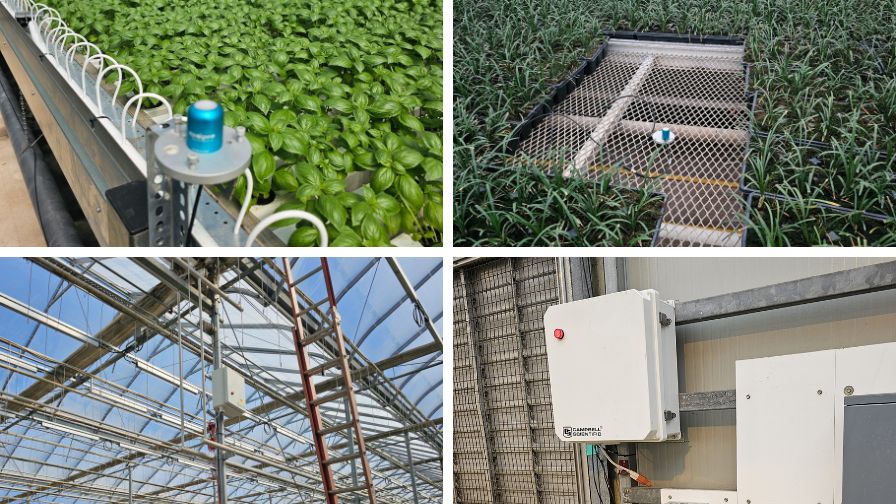
(Clockwise from top left) Lighting controls in action in Operations A, B, C, and D. | GLASE
It is easier to trust new practices or technology when you can see how they perform in real greenhouse operations. That’s why the New York Farm Viability Institute (NYFVI) funds projects that enhance the competitiveness of specialty crops through sustainable production practices that increase yield, reduce inputs, improve efficiency, boost economic returns, and conserve resources.
The Cornell University Greenhouse Lighting and Systems Engineering (GLASE) consortium recently wrapped up a multi-year research and demonstration project at four New York State (NYS) greenhouses growing floriculture crops, vegetables, and herbs. The project — formally titled “Energy Efficient Lighting Control to Increase the Profitability of NYS Commercial Greenhouses” — tested an automation algorithm called Light and Shade System Implementation (LASSI) in greenhouses using high-pressure sodium (HPS) and light-emitting diode (LED) lighting systems. LASSI turns supplemental lighting on and off in tandem with opening and closing climate screens using a predictive sunlight model to achieve a consistent Daily Light Integral (DLI) for each crop.
In this project, LASSI was used strictly for lighting control, while growers continued managing their existing shade systems as usual. Of the four participating operations, two had no shade systems at all. One preferred to keep manual control of its curtains systems separately to ensure they closed when needed, and another had a full-house climate screen that required existing controllers to remain in use.
Saving Money
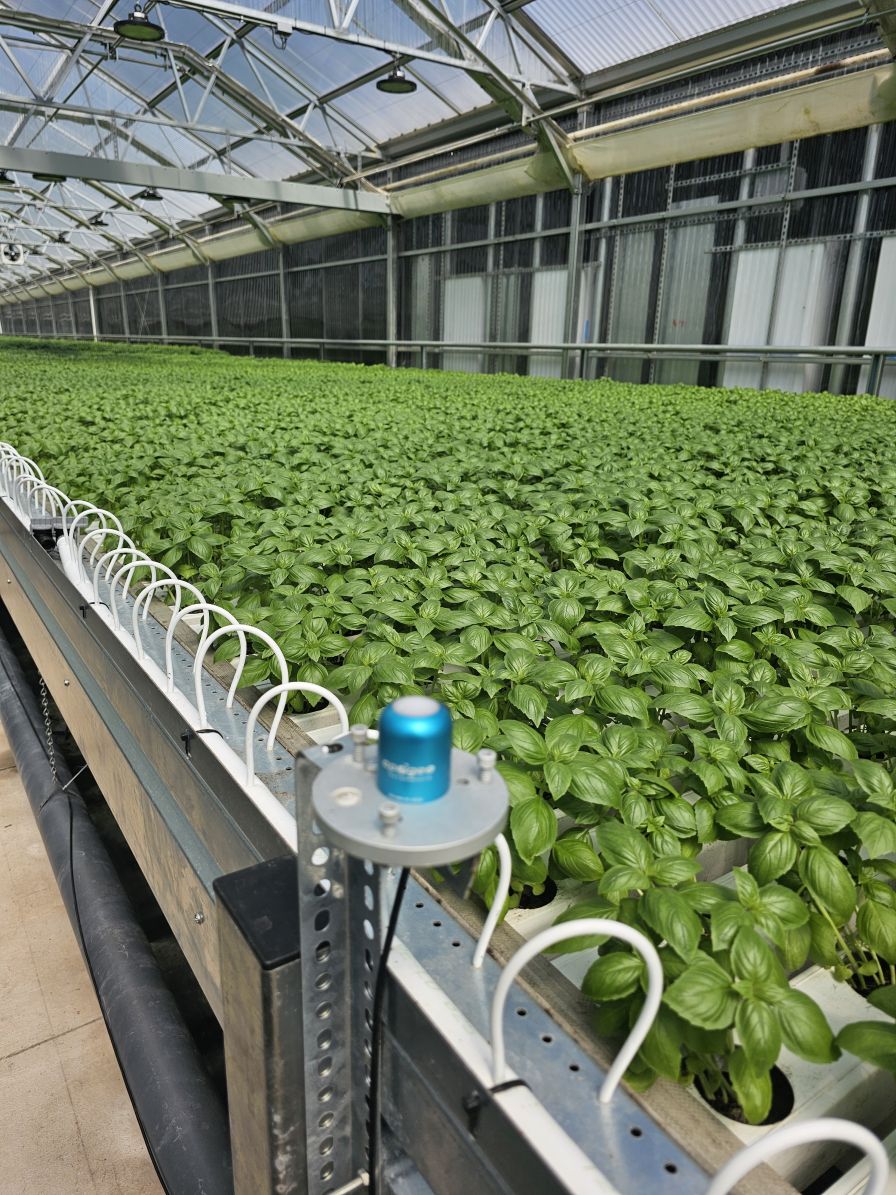
Greenhouse Grower A cut manual work by automating LED lighting with LASSI, gaining more precise and efficient control. | GLASE


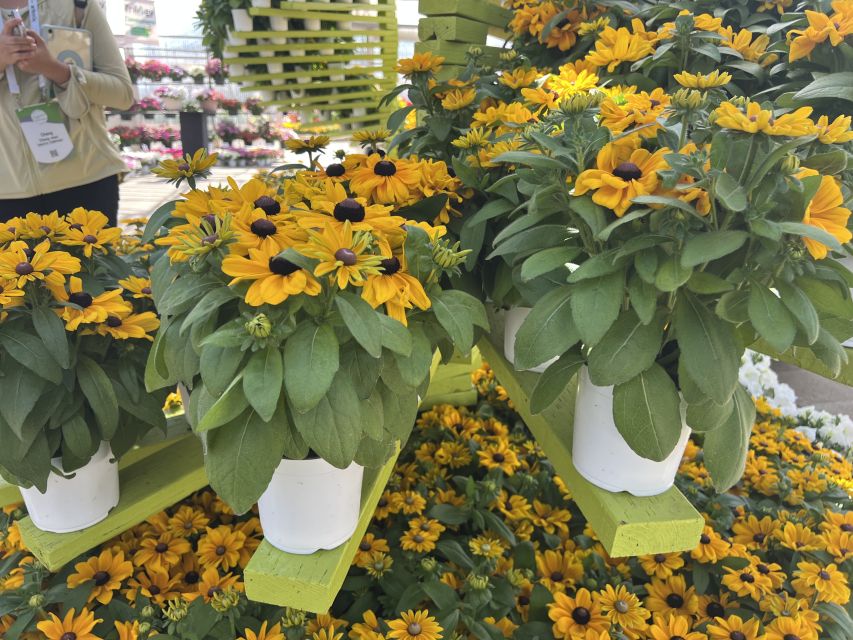
Greenhouse Grower A, a hydroponic basil producer, previously turned LED lights on and off by hand. Installing advanced lighting automation with LASSI gave them significant benefits with more precise and efficient lighting management. During the summer months, the system demonstrated its capability by supplementing natural light only when necessary, thus optimizing energy use. The grower is now considering expanding their lighting capacity and adding climate screens to further enhance efficiency and reduce energy demand charges. Beyond the immediate savings, this project highlights the importance of tracking DLI and how improved lighting strategies can translate into long-term cost efficiency.
Maintaining Targets
Greenhouse Grower B, who produces floriculture crops with a time-clock-controlled LED system, found that LASSI delivered more consistent light levels. They are eager to evaluate its performance year-round and are interested in experimenting with higher DLI targets and integrated shading control. For them, the project reinforced how advanced lighting systems can provide both optimal growth conditions and greater energy efficiency.
Year-Round Consistency
Greenhouse Grower C, who grows edible flowers and various vegetable crops under HPS lights with an integrated climate control system, found that LASSI complemented their existing automation practices. It gave them a clearer understanding of how DLI influences crop production and reinforces the importance of consistent light, especially during the darker winter months. The experience has sparked interest in increasing supplemental lighting capacity and informed their vision for a larger production area with a fully optimized system.
The Value of Accuracy
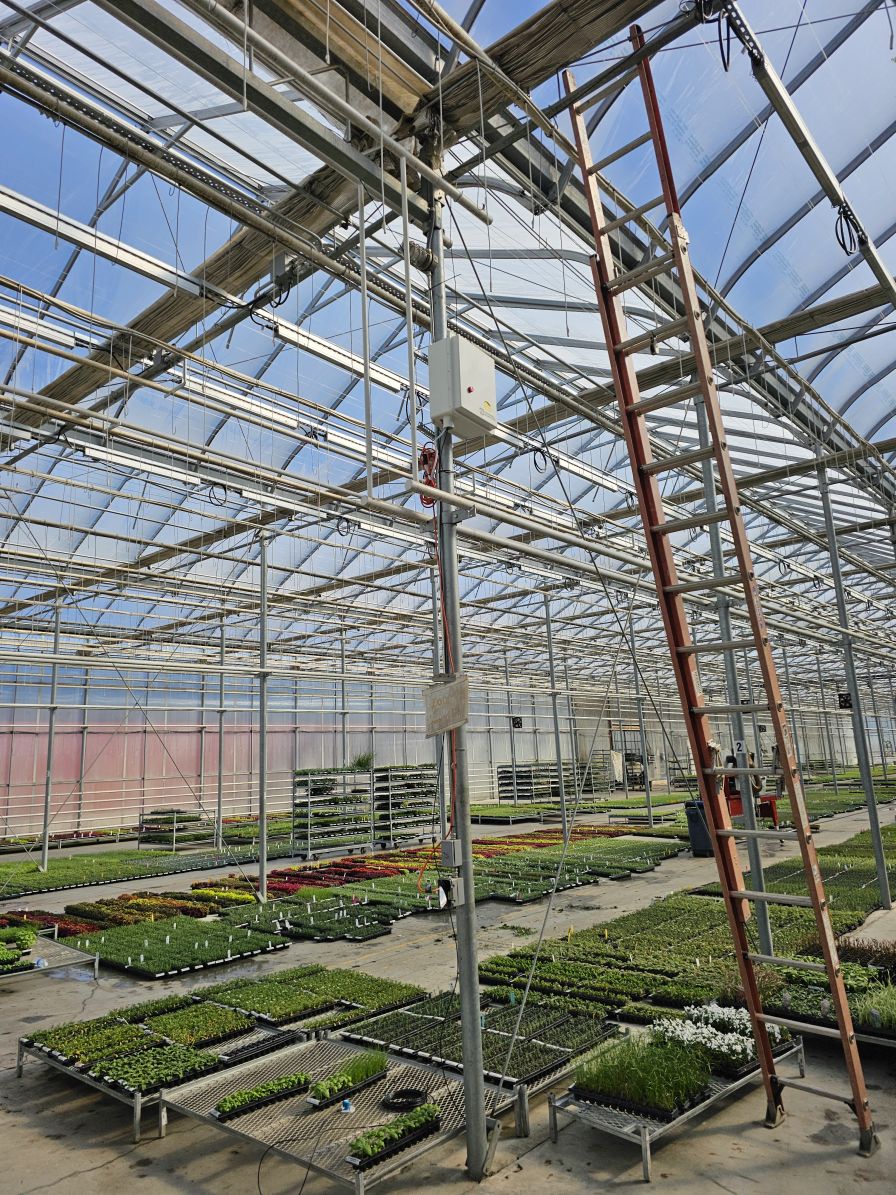
With LASSI, Greenhouse Grower D received more precise light measurements. | GLASE
Greenhouse Grower D gained new insights into the dynamics of their LED lighting and shading systems, as well as limitations of their existing controls. With LASSI, they received more precise light measurements and highlighted the need for better sensor placement and monitoring. The grower is now more aware of the importance of maintaining optimal light levels and is interested in continuing the experiment to compare LASSI’s performance over a full year. This project reinforced how advanced lighting control can elevate both crop performance and energy efficiency.
Across the board, every operation reported gaining a clearer understanding of the DLI achieved in their operation. All four growers have continued using the LASSI lighting control system. One grower even expressed interest in using LASSI to control their shade curtains for more coordinated control of DLI.
These success stories demonstrate how advanced lighting control systems can help greenhouse operations optimize energy use, improve crop production, and gain a deeper understanding of the benefits of supplemental lighting.
Subscribe to eNewsletter