



Why Dehumidification Is Essential for Sustainable Flower Farming

 March 21, 2025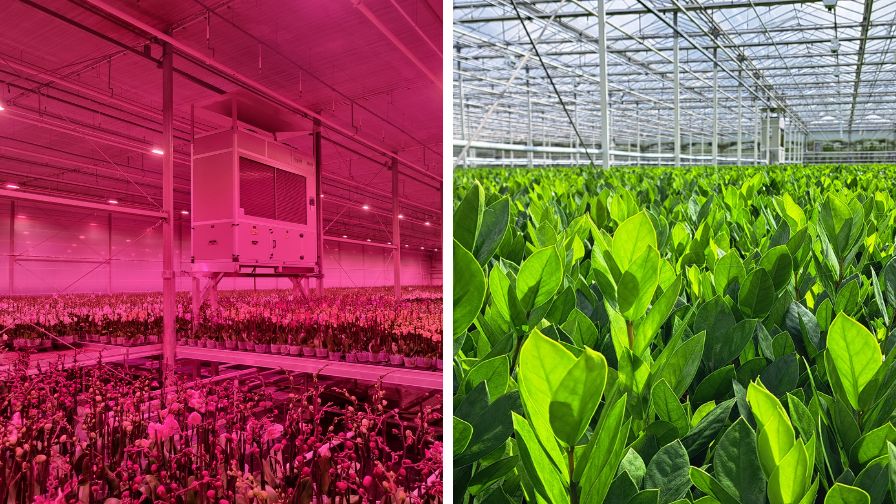
Greenhouse flower cultivation and humidity control | Van Geel Group (L) and Van Winden Nursery (R)
As the horticulture sector evolves, growers worldwide are turning to advanced climate control solutions to ensure high-quality, sustainable production.
Two Dutch flower growers, Van Geel Group and Van Winden Nursery, exemplify how dehumidification plays a critical role in achieving stable, energy-efficient cultivation. Both companies have integrated active dehumidifiers into their greenhouses, using them to optimize growing conditions while reducing energy consumption and improving plant resilience.
Sustainability as a Driving Force
Sustainability is a key challenge for many growers. Martijn van Geel, owner of Van Geel Group, emphasizes that making the cultivation process as sustainable as possible is a top priority:
“Making our process more sustainable is the biggest challenge of all for me. That goes from packaging to water quality and energy. The latter, in particular, has been a matter of urgency in recent years, with the huge rise in energy prices. So apart from the fact that I think the CO₂ footprint should be reduced, it also makes a lot of financial sense to use less energy.”

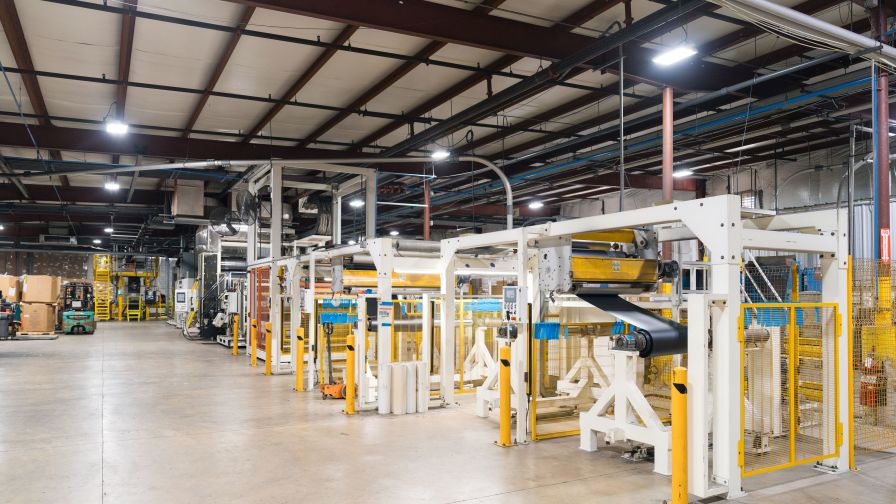
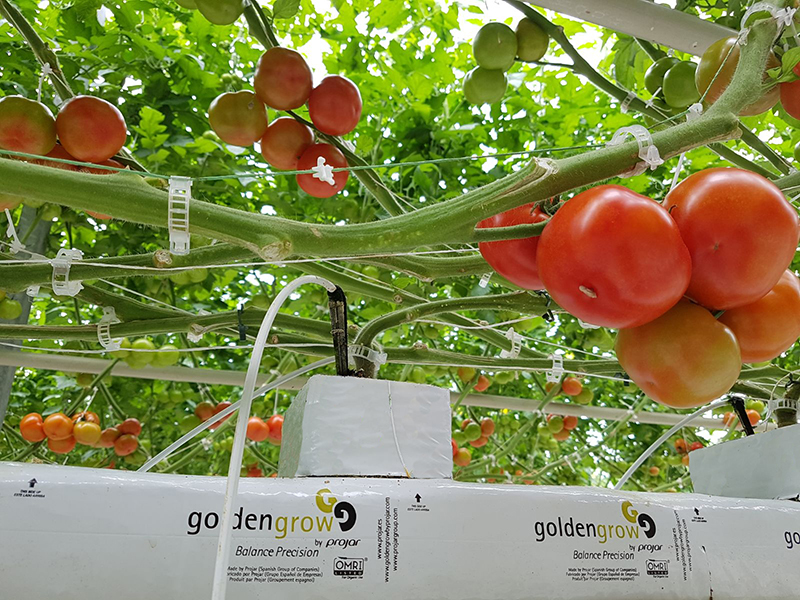
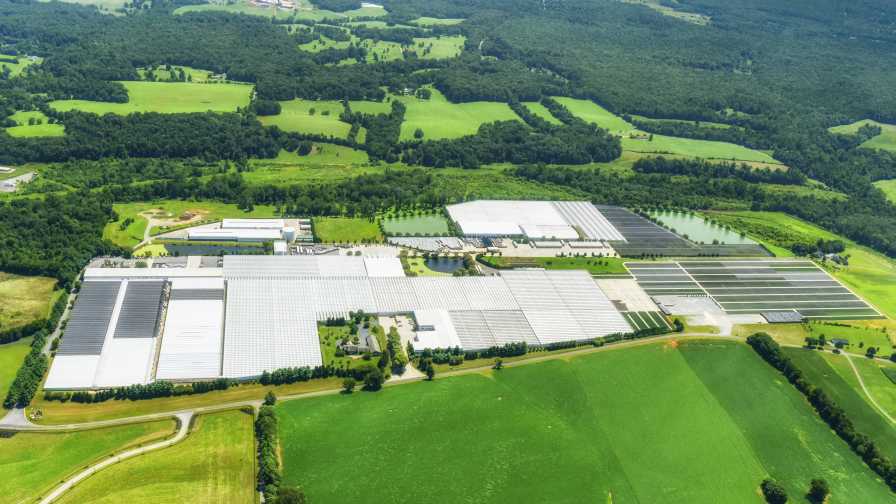
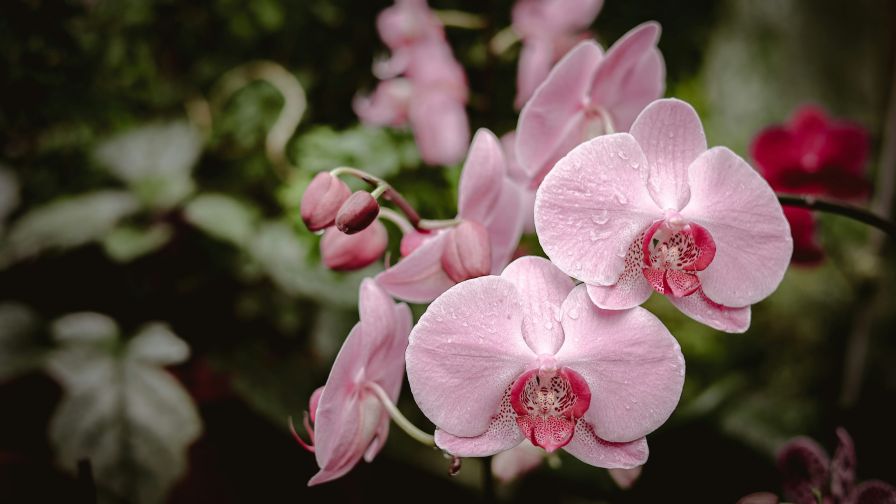
Van Geel Group’s chrysanthemum and orchid greenhouses span approximately 25 acres.
At Van Winden Nursery, a similar approach is taken. Tom van Winden, the third generation of the family-run business, explains that sustainability guides their decisions:
“We have double screen installations, one of which is also double-layered to save even more and keep heat inside, working as insulation. As far as lighting is concerned, we work with SON-T lights, but we also have a trial with LED going. We know that’s the future, so we are looking into that. We also have DryGair dehumidifiers.”
Van Winden Nursery focuses on zamioculcas, as well as bedding plants, growing on 40 acres of greenhouse space.
Next Generation Growing: A Holistic Approach
To transition towards zero-emission cultivation, Van Geel Group has implemented several key strategies, including better insulation, LED lighting, and a new approach to ventilation. Traditionally, growers ventilate by opening windows to release excess humidity, but this also leads to heat and CO₂ loss. Dehumidification provides an alternative solution:
“For one, dehumidification lets you keep your windows closed for longer periods. We also installed a third layer of insulating screens. And to keep the greenhouse closed for longer, we also installed weighted LED lighting. That does mean you have a moisture problem. With our dehumidifiers, we solve that and keep the heat and CO₂ inside.”
Similarly, Van Winden Nursery faced a challenge in maintaining an optimal climate for zamioculcas, a tropical houseplant that thrives in humid conditions. However, excess humidity can hinder plant activity, making dehumidification essential:
“Before we had the dehumidifiers, we would open the window a little to lower the RH – a low RH gives the plant the space to evaporate and be ‘active’. But in the winter, you don’t want to lose heat, so then the ventilation and screens in the greenhouse have to stay closed. With dehumidifiers, that is possible.”
By reducing reliance on traditional ventilation, both growers can retain heat, minimize CO₂ loss, and create a more stable climate for their plants.
Improving Climate Stability & Energy Efficiency
A stable climate is essential for healthy plant growth. At Van Geel Group, dehumidifiers play a key role in preventing climate fluctuations:
“With our dehumidification units, the fluctuating outdoor conditions don’t affect our operation; we don’t need this (colder) air and therefore don’t need to warm it up.”
This sentiment is echoed by Van Winden, who notes that dehumidification has become an essential part of climate control:
“In addition to lighting, ventilation, and screens, we now have an extra tool to control and manage the climate.”
Beyond climate stability, active dehumidification contributes to significant energy savings. Van Winden reports a 15-20% reduction in gas usage:
“The profit is primarily in gas reduction and energy saving. In addition, the DryGair units also ensure a stable climate, which is good for every crop. The lower RH gives you more activity in your crop, which makes your plant more resilient.”
The Future of Flower Cultivation
Both Van Geel Group and Van Winden Nursery see dehumidification as an essential step toward more sustainable and efficient cultivation. As Van Geel puts it:
“Look well ahead. Start with dehumidification and full LED, those first steps in terms of savings go fastest. And then you can really make an awful lot of quick strides.”
By reducing humidity without ventilation, growers can maintain optimal growing conditions, save energy, and produce healthier, more resilient plants. With dehumidification as a core component of their strategy, these leading nurseries are paving the way for the future of flower cultivation.
Subscribe to eNewsletter