



Emerging Greenhouse Risk and Insurance Trends for 2026
 December 6, 2025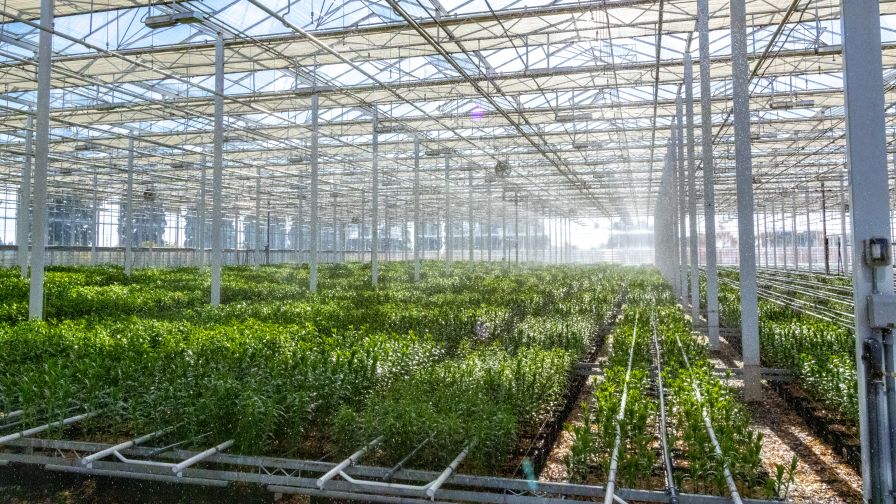
Greenhouse interior insurance coverage costs and risks. | Oregon Flowers, courtesy of Hortica
The greenhouse industry is heading into 2026 with a more complex risk landscape than we’ve seen in years. Extreme weather events, cyber exposures, inflation-driven property valuations, labor shortages, and rising auto liability costs are all converging at once.
For greenhouse operators, the challenge isn’t any one of these risks on its own; it’s how they interact. A delayed shipment, a severe storm, or a single auto claim can create far more operational and financial strain than it did even a few years ago. As the new year approaches, having a clear picture of your exposures and an educated update to both your risk practices and insurance program will help your bottom line.
Managing Rising Commercial Auto Costs
Commercial auto remains one of the fastest-moving areas of insurance cost escalation. For horticulture businesses with delivery vehicles, shared-use trucks, or employees using personal vehicles for business, auto exposures remain significant. Multimillion-dollar verdicts are more common, and even minor collisions now cost more to repair than a few years ago, as vehicles are more high-tech and their parts are more expensive.
Key Risk Exposures to Monitor
- Fleet vehicles used for deliveries or transportation.
- Employees using company or personal vehicles for business.
- Rising litigation costs and larger liability awards.
Greenhouse Risk Management Tips for Auto Exposures
- Screen drivers carefully. Motor vehicle record checks should be part of every hiring process — not just for drivers but for anyone who may operate a vehicle on behalf of your business.
- Reinforce driver training. Seatbelt use, speed management, and distracted driving prevention are non-negotiable. Annual refresher training helps reinforce expectations.
- Maintain vehicles consistently. Prioritize preventative maintenance, tire safety, and securing loads. Small issues can lead to large insurance claims and future premium costs when ignored.
- Review safety policies every year. Policies only work when they’re enforced. Document expectations and make sure all drivers understand the consequences of non-compliance.
Technology That Strengthens Your Driver and Vehicle Safety Program
Telematics and dash cams give owners more insight into driver behavior and accident details, but misconceptions still hold some operators back. Many assume the technology is only used to penalize drivers. In reality, telematics users often see the opposite — technology frequently helps protect drivers and prevent claims.
Recent Examples:
- A large retail florist in Philadelphia implemented a telematics program after conversations with our team. A few months later, dashcam footage showed that a customer vehicle backed into the company’s truck — not the other way around. That video helped the company avoid a costly claim and reinforced their drivers’ trust in telematics.
- One of our largest horticulture customers adopted in-cab cameras years ago, pairing that investment with a high liability deductible. Their approach reflects strong confidence in their safety program and keeps long-term costs sustainable.
Insurance Considerations
Review your liability limits, physical damage coverage, umbrella policy, and workers’ compensation coverage. Auto exposures touch multiple lines of insurance, and gaps can be costly.
Action Item:
Meet with your insurer or agent to review your fleet safety policies, identify high-impact improvements, and confirm adequate coverage for your current operations.
Reassessing Structure and Equipment Valuations
Property valuations remain among the most overlooked — and consequential — issues for greenhouse operators. Inflation may be slowing, but after multiple years of elevated costs, the price to rebuild or replace greenhouse infrastructure is significantly higher than many realize. Owners remember what they paid for equipment or construction years ago, but may not consider what it would cost to replace in today’s market.
Internal systems — HVAC, boilers, irrigation lines, environmental controls, and plumbing — are frequently undervalued. Mobile equipment, such as rolling racks, carts, potting machines, and inventory (e.g., soil, tags, fertilizers), can also add up to a substantial value but can be missed when you update your policy.
Underinsurance is a routine challenge we help customers address every day.
What to Review with Your Insurer
- Greenhouse structures and related buildings (frames, glazing, roofing materials, shade systems)
- Internal systems (HVAC, boilers, irrigation, plumbing, climate controls)
- Mobile or shared equipment used across locations
- Inventory values and storage locations (soil, fertilizers, pots, tags, supplies)
Action Items:
- Create a current inventory of mobile equipment across all locations. This helps speed up claims handling and ensure accurate coverage.
- Review automatic increase provisions to confirm they reflect your true replacement cost.
Integrating Sustainability into Business Protection
Sustainability continues to intersect with profitability and risk reduction. For many operations, sustainable investments not only cut resource costs but also strengthen operational resilience.
Areas Where Sustainability Supports Protection
- Water conservation through rain capture and recycling systems.
- Use of sustainable growing media.
- Reduced plastic use and enhanced recycling programs.
These initiatives increasingly influence buyer decisions and long-term cost savings. For additional guidance, you can explore resources such as Sustainabloom.
Addressing Cyber Risks in Greenhouse Operations
From climate control systems and irrigation timers to inventory software, mobile devices, and vendor platforms, greenhouses are becoming more connected every year. However, this expanding digital footprint brings additional vulnerabilities.
What’s more, cyber incidents are no longer limited to large corporations. Small and mid-sized horticulture businesses are increasingly targeted because attackers assume they have limited IT resources and security measures in place.
Risk Mitigation Strategies
- Enable multi-factor authentication (MFA). It remains one of the most effective defenses against unauthorized access.
- Conduct regular backups. Keep at least one backup stored off-site and test restore procedures to ensure they work.
- Restrict user access. Only grant access to the systems employees need to perform their roles.
- Review cyber liability coverage. Policies vary widely; understand what’s included and adjust as needed.
Action Items:
- Implement MFA across all systems.
- Back up systems regularly and store one copy in a secure off-site location.
- Talk with your insurer or agent about emerging trends and available risk management support.
Planning for Continued Supply Chain Disruptions
The supply chain challenges that began years ago haven’t fully stabilized. Geopolitical issues, shipping delays, and weather-related disruptions still affect key inputs such as plastics, growing media, replacement parts, and structural materials.
How to Build Resilience
- Diversify suppliers where possible.
- Collaborate with peer greenhouses in other regions to share lessons learned and identify alternative options.
- Plan for delayed rebuilds and permits to account for regional backlogs.
Understanding Labor Risk and Compliance for Seasonal Hiring
Labor remains one of the most significant operational constraints. Whether you use a direct workforce, seasonal employees, or contract labor, compliance is essential.
Best Practices:
- Vet labor contractors carefully. Confirm certifications, references, and compliance history.
- Clarify housing and transportation obligations. Misunderstandings lead to disputes and claims.
- Verify insurance requirements and get a Certificate of Insurance. Ensure your business is properly protected by getting a copy of the Certificate of Insurance from any contract laborers with whom you work. It’s critical to verify insurance is in place and current.
Preparing for More Extreme and Frequent Weather
Climate patterns continue to shift, affecting seasonal timing, storm intensity, and the availability of contractors and materials after large events. Greenhouses in all regions are experiencing faster temperature swings and more variable precipitation.
Action Items:
- Refresh your safety policies and training ahead of peak season.
- Update your greenhouse maintenance checklist to include structural inspections, drainage assessments, and emergency power verification.
- Review business interruption coverage to confirm it reflects current rebuild timelines.
Build Resilience Through Preparation
As 2026 approaches, the most successful greenhouse operations will be those that treat risk management as an ongoing discipline, not a once-a-year exercise. The insurance trends for horticulture businesses point to continued volatility, but preparation and partnership can significantly influence outcomes.
Now is the right time to meet with your insurer or agent, evaluate emerging exposures, update valuations, and strengthen your operational defenses. A proactive review today can position your business for a stronger, more resilient year ahead.
Subscribe to eNewsletter
