



Insights on a Novel Cold Plasma Technology to Fight Losses from Botrytis to Ethylene
 December 5, 2025
 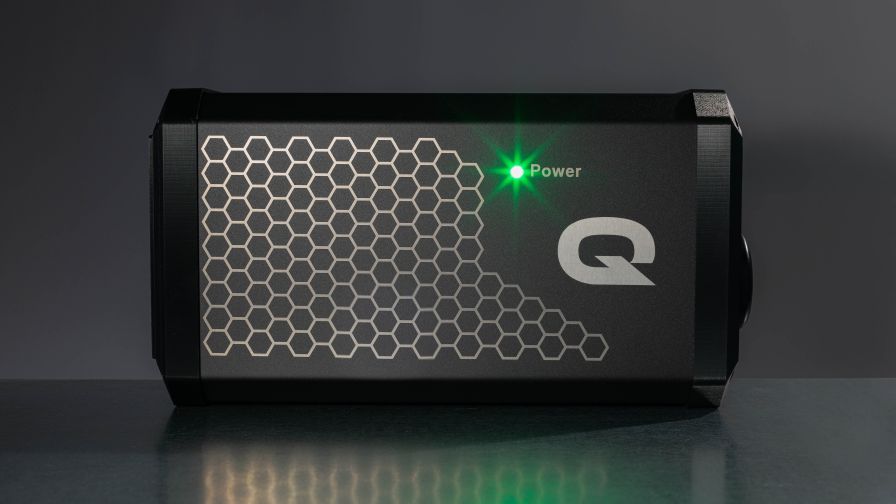 Due Diligence Horticulture is hosting a webinar on Dec. 10, 2025, that will shine a light on a revolutionary, zero ozone, cold plasma technology redefining how to protect crops, greenhouse production facilities, and products from pathogens and ethylene-related losses.
Unlike conventional disinfection or purification methods such as filtration systems, UV light, X-ray technology, or even chlorine dioxide injection, cold plasma forms a continuous active defense field that continuously neutralizes airborne and surface-borne microbes, as well as Volatile Organic Compounds (VOC) including the plant hormone ethylene. Instead of relying on passive or periodic protection, Quantum Clear (QC): The Plasma Field floods the environment with reactive oxygen species (ROS) that dismantle bacteria, mold, viruses, and VOCs at the molecular level — without chemicals, corrosion, or residue.
The webinar will provide updates from Due Diligence Horticulture-sponsored USDA research, independent third-party laboratory validation against more than 50 microbial species, an array of VOCs, and multiple grower trials across diverse crops and environments. The data confirms cold plasma’s ability to maintain continuous, non-corrosive, 24/7 protection while also reducing VOC buildup and disease-related losses in cultivation, storage, and distribution.
The studies conducted between grower trials, USDA, and third-party labs show that the technology cleans the environment of approximately 90% of all microbes and VOCs and is 100% safe on plants and humans.
Cold plasma sterilization is a cutting-edge air and surface purification technology that uses electrical energy to generate a plasma field — often described as the fourth state of matter. When electrical energy is applied to air, it excites gas molecules, freeing electrons and creating a mix of ions, radicals, and reactive oxygen species (ROS). These include hydroxyl radicals (•OH), and hydrogen peroxide (H₂O₂) in trace amounts.
These reactive species interact with airborne and surface-bound microbes, such as bacteria, molds, viruses, and spores, by breaking down their cell walls and disrupting vital cellular components, and attack chemical bonds of VOCs that result in harmless water and carbon dioxide. The reaction effectively neutralizes pathogens and VOCs without leaving chemical residues or harmful byproducts.
From ornamental crops in transit and fruits in storage to cannabis in cultivation and even CPG inventory storage at retail, Quantum Clear provides an invisible shield safeguarding product quality, extending shelf life, and enhancing operational safety.
Sign up for the webinar here.
Subscribe to eNewsletter