



How to Style and Maintain Winter Foliage and Flowering Plants
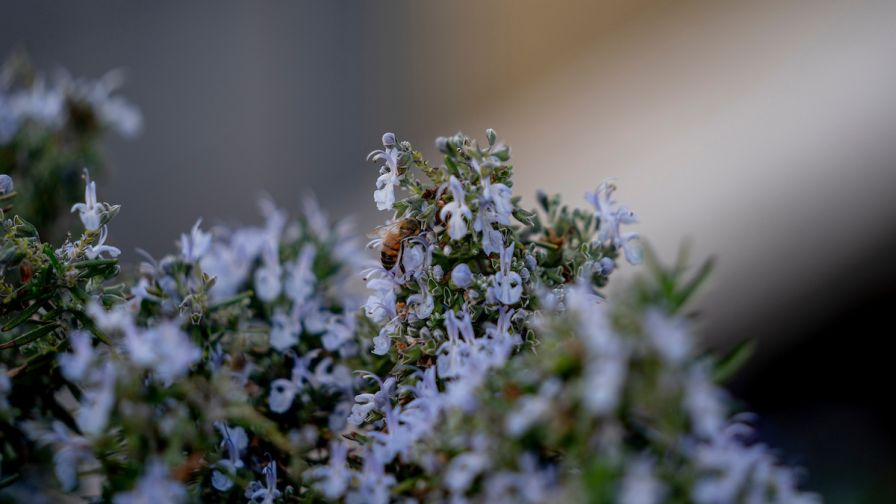
Winter pollinator flowering plants at Texas A&M AgriLife. | Laura McKenzie
When winter settles in and the blooms of summer fade away, beauty doesn’t hibernate — it simply shifts. Winter foliage takes center stage, offering texture, structure, and a palette of greens and silvers that define the season. In the floral industry, embracing winter greenery is not just a necessity — it’s an opportunity to create arrangements that evoke the quiet magic of the colder months.
Winter foliage provides the backbone of seasonal design. In the absence of abundant flowers, these textural greens add volume, depth, and longevity to arrangements. Many varieties also carry fragrances, enhancing the sensory experience of winter decor.
Whether designing for a festive centerpiece, a holiday mantelpiece, or a wintry wedding, foliage offers flexibility and form that floral elements alone can’t match. With its durability and fragrance, greenery becomes the heart of seasonal design — perfectly reflecting the winter season. Embracing the textures and tones of winter’s greens allows for arrangements that feel both luxurious and grounded in the season’s charm.
Top Winter Foliage Picks





Cedar
Cedar is a go-to for garlands and wreaths. It adds a romantic and woodland feel in addition to a homey fragrance. It works well as a base for arrangements, adding a cascading look.
Dusty Miller
Soft, silvery, and almost frosty in appearance, dusty miller is a accent that complements white, burgundy, and deep green elements in winter arrangements.
Magnolia Leaves
With their green tops and brown undersides, magnolia leaves add contrast and elegance. They dry well and work well in high-end designs.
Pine & Fir
Classic evergreens like pine and noble fir bring a strong seasonal identity to any arrangement. Their sturdy needles and conical shapes make them ideal for both structure and scent.
Design Tips for Winter Foliage
- Layer textures: Mix needle-like greens with broadleaf varieties for contrast and movement.
- Keep it natural: Let some elements drape organically to reflect the wild beauty of winter.
Color contrast: Mix deep green evergreens with blue-gray eucalyptus, golden cedar, or the copper tones of magnolia for a dynamic palette. - Add seasonal accents: Pair foliage with pinecones, dried citrus, or fresh berries for a festive touch.

For additional handling, care, and design tips for winter foliage and flowering plants, please read the original article from Nita Robertson of the American Institute of Floral Designers (AIFD) found on the New Bloom Solutions website.
Subscribe to eNewsletter
