




The Appeal of Heart-Shaped Houseplants During the Valentine’s Day Season
In anticipation of a market full of Valentine’s Day flower shoppers, the National Garden Bureau (NGB) recently shared information on the appeal of heart-shaped houseplants that pair well with the holiday.
“This year, we are asking people to think about what they appreciate most,” says Diane Blazek, Executive Director at National Garden Bureau. “Heart-shaped houseplants provide a sustainable, long-lasting way to brighten a loved one’s daily environment. They are truly the gift that keeps on growing.”
For growers and retailers looking for a creative fit to add to their Valentine’s Day offerings, consider the following options:
1. String of Hearts (Ceropegia woodii)
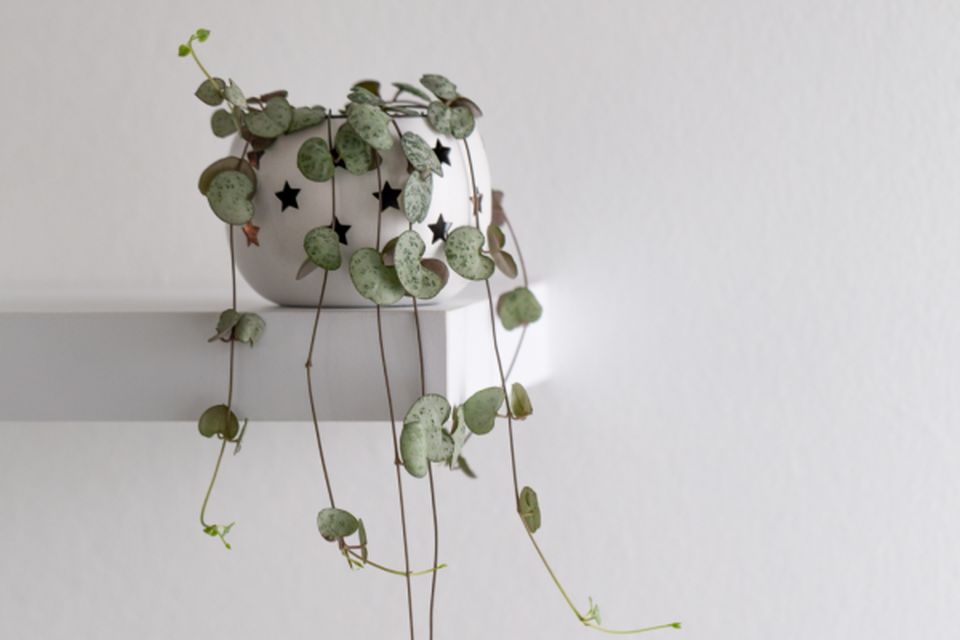
String of Hearts (Ceropegia woodii). | National Garden Bureau (NGB)
A String of Hearts has trailing stems dotted with small, heart-shaped leaves that are usually green and silver but can sometimes have a touch of pink.
2. String of Pearls (Curio rowleyanus)
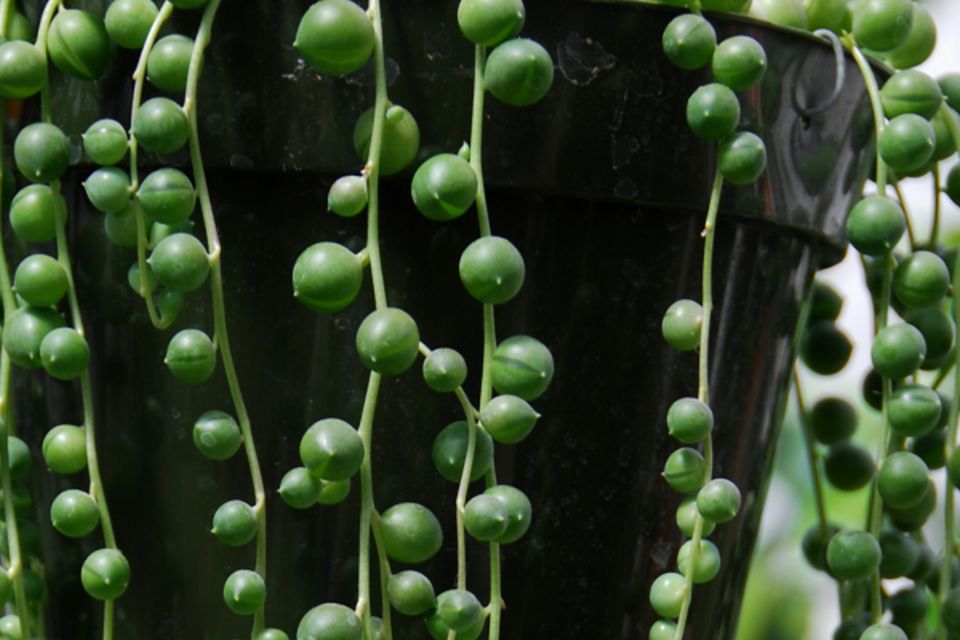
String of Pearls (Curio rowleyanus). | National Garden Bureau (NGB)
A String of Pearls features green beads reminiscent of a pearl necklace that spills down from a hanging basket or pot. As a member of the aster family, it will also bloom white, cinnamon-scented flowers during the summer months.
3. Sweetheart Hoya (Hoya kerrii)
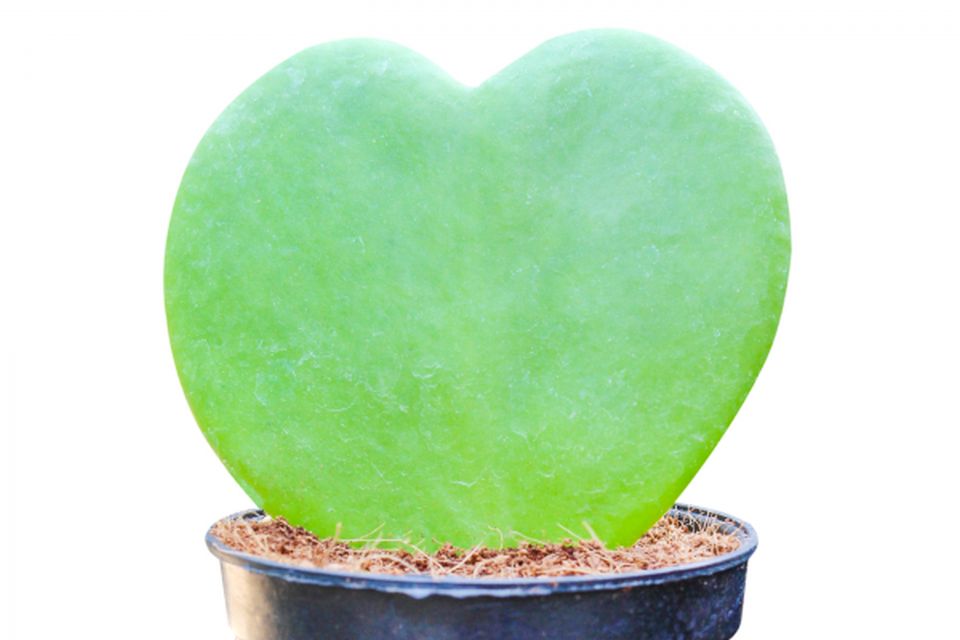
Sweetheart Hoya (Hoya kerrii). | National Garden Bureau (NGB)
Often referred to as the “Valentine Plant” for its distinct heart shape, this succulent starts with a single heart but will eventually grow into a vine covered in miniature hearts.
4. Anthurium (Anthurium andraeanum)
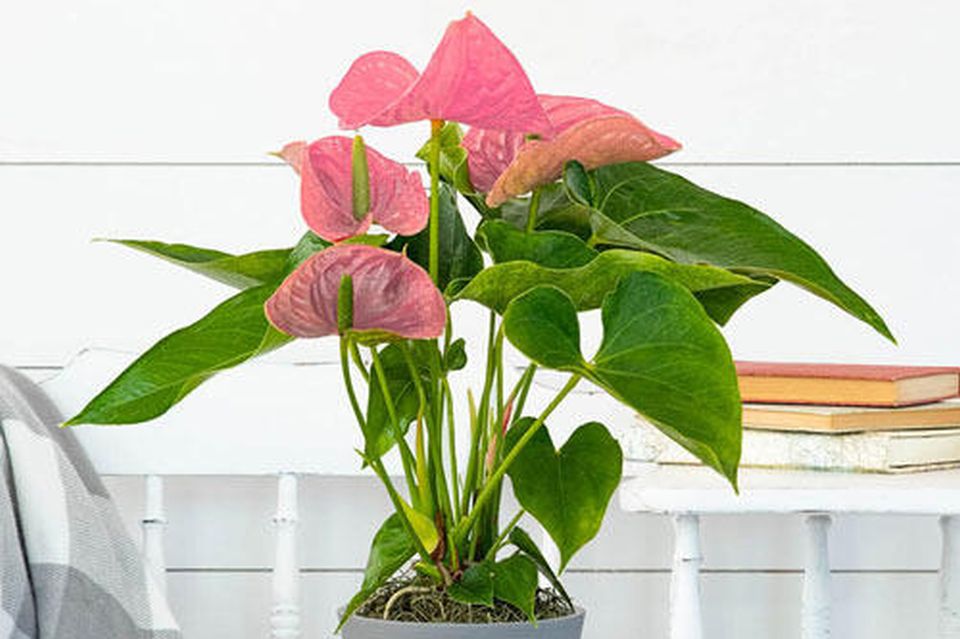
Anthurium (Anthurium andraeanum). | National Garden Bureau (NGB)
This tropical features glossy leaves paired with red or pink heart-shaped flowers that bloom nearly year-round.
5. Heart Leaf Philodendron (Philodendron hederaceum)
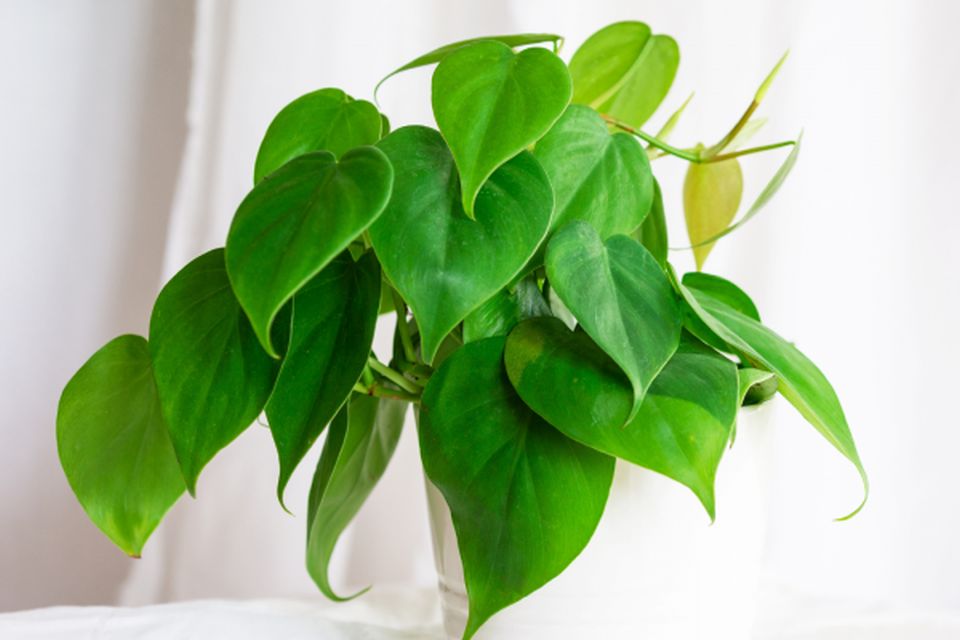
Heart Leaf Philodendron (Philodendron hederaceum). | National Garden Bureau (NGB)
An easy-to-grow option, the heart-shaped leaves of this houseplant create a dense canopy when grown in a pot, or it turns into a climber if attached to a pole.

For additional information on each heart-shaped houseplant, including care tips, please read the original article found on the NGB website.
Subscribe to eNewsletter