



Bridging the Gaps in U.S. Greenhouse Education
Empowering Greenhouse Resiliency with an Optimized Workforce (E-GROW) project logo. | GLASE Consortium
The Empowering Greenhouse Resiliency with an Optimized Workforce (E-GROW) project team has completed its first objective by identifying gaps in U.S. greenhouse education programs in 2025.
What is E-GROW?
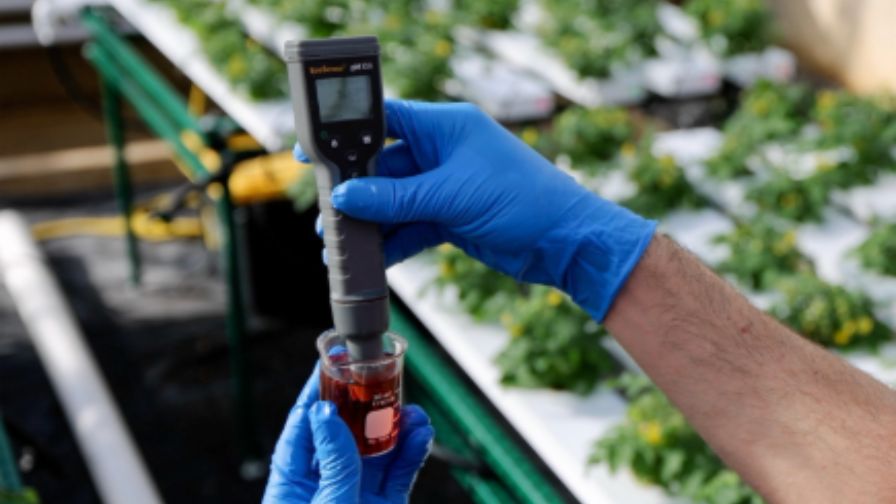
The E-GROW project is centered on developing youth interest and competency in agricultural technology (AgTech) in controlled environment agriculture (CEA). This is accomplished by creating non-formal agricultural educational content and activities to foster curiosity and competency of tech-savvy STEM students in disciplines like:
- Automation of greenhouse climate control systems
- Robotics and AI for crop science
- Energy and economic benchmarking of vertical farms
Learn more about the E-GROW project’s progress and goals here.



Gaps in Greenhouse Education and How to Fix Them
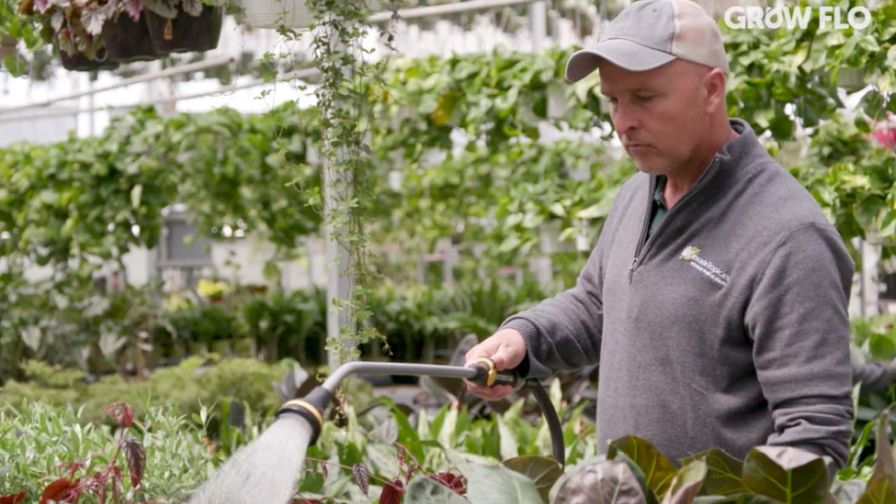
While some programs, such as New York Sun Works, Virginia’s GO TEC, and Pennsylvania’s AgWorks, have introduced CEA and AgTech concepts into classrooms through courses for credit and workforce pathway programs (WPP), efforts remain fragmented, teacher-dependent, and geographically uneven. In rural areas, barriers include a lack of certified educators, limited access to resources like funding for on-campus infrastructure or tools, and the absence of standardized curricula and certification programs to prepare youth for CEA and AgTech careers. In some cases, educators must create their own materials with little centralized support or coordination.
The next objective for the E-GROW team is to develop CEA Education Solutions most needed by pilot schools in New York, Pennsylvania, Virginia, and Wyoming in 2026.
“The E-GROW courses and tools we are developing will democratize access to the knowledge, skills, and abilities needed for careers in the CEA industry,” says Gretchen Schimelpfenig, Executive Director of Cornell University’s GLASE consortium.
Read the full Gaps in CEA Education report here.

Subscribe to eNewsletter