



Growers Grapple with Labor Pains as H-2A Costs Hit New Highs
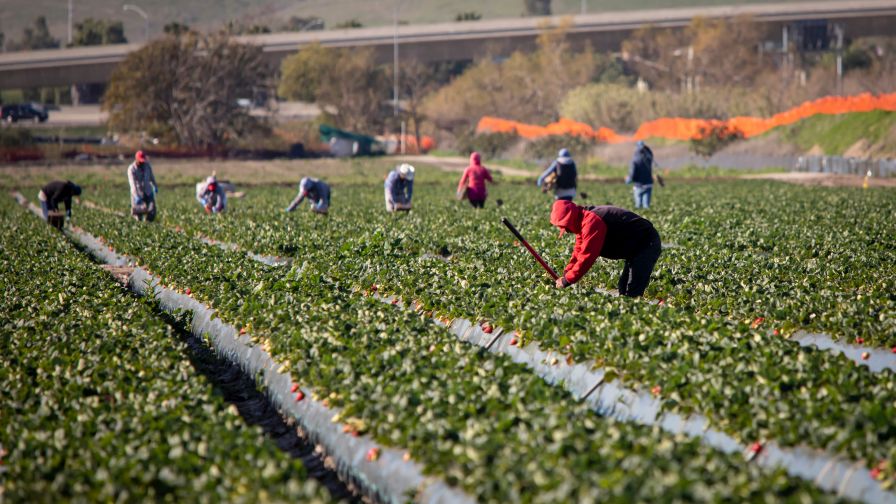
Farm laborers working in a field. | F Armstrong Photo via Adobe Stock
The Department of Labor’s (DOL) 2023 reclassification of some H-2A workers’ job titles continues to push costs higher, with another increase in wages on the way this year per the Bureau of Labor Statistics (BLS) 2024 Occupational Employment and Wage Statistics (OEWS), which was released in April.
In 2023, DOL changed its longstanding Adverse Effect Wage Rate (AEWR) methodology to set distinct hourly wages for any job description with duties the department believes go beyond the six farm occupations included in USDA’s Farm Labor Survey (FLS). Since farmworkers, particularly those on small farms, perform a variety of job functions, this rule, known as the “disaggregation rule,” has resulted in some farm positions being reclassified to higher wage categories.
While 96% of H-2A workers are still classified as farmworkers, graders and sorters, packers and packagers, or agricultural equipment operators – the classifications set by the FLS – some alternative job classifications have become more prevalent since the 2023 methodology was set.
The five most common disaggregated occupations at the end of the fiscal year 2024 were:



- Heavy and tractor-trailer truck drivers (1.5%)
- Construction laborers (0.6%)
- First-line supervisors of farmworkers (0.1%)
- Shuttle drivers (0.5%)
Farm equipment mechanics (0.2%) have also climbed into the top 10 occupations in year-to-date fiscal year 2025 positions. The additional qualifications and permits needed for these jobs in other industries mean that their wages are often much higher – sometimes more than $10 per hour higher.
Using national average wages, the small farms wage expenses increase around 30% a year, and large farms increase by more than 10% a year. These increases have contributed to pushing labor costs to record levels, forecast at more than $53 billion across the agricultural industry in 2025. While specialty crop revenues are expected to increase modestly this year, margins are still slim, and every additional cost risks the profitability of American farmers.
Farmworker wages are already subject to volatile year-to-year changes: the 2025 AEWR changed anywhere from a 10% increase to a 2% decrease, depending on the region. Each year since 1987, H-2A users have had to plan for a rise in their yearly wage in December or January based on the FLS, with no clues as to how much their expenses would change. In the past decade, these yearly spikes have become even more dramatic with a 30% increase in the AEWR in the last five years.
The disaggregation rule goes beyond this to add a second yearly increase that farmers are unable to forecast.
For additional information, please read the full article found on the American Farm Bureau Federation website.
Subscribe to eNewsletter