Management
How Canada is Taking Greenhouse Research to the Next Level
November 23, 2019
A benefit of preparedness is peace of mind, which goes a long way toward handling whatever the present or future throws your way.
Growers that export plant products to the European Union should be aware of new regulations that will require a phytosanitary certificate for most plants.
The horticulture industry generates one third of both all specialty crop revenue, yet it receives only 12% of federal funds earmarked for specialty crops.
Bill Swanekamp of Kube-Pak says any grower’s business succession planning process should start when your children are young.
A bipartisan bill has been introduced on Capitol Hill to help reform ongoing ag labor problems. See what industry leaders are saying about it.
USDA has drafted the Interim Final Rule for the alternative crop out ahead of what will be a 60-day comment period. Get your peek at a courtesy copy, plus five overarching takeaways we pulled out of the first few pages of the document.
From replenishment to electronic data interchange, growers are using technology to manage big data to improve their bottom line.
A team at the University of Connecticut is working to understand how greenhouse growers use water, including recycled water, and cope with limited irrigation water sources.
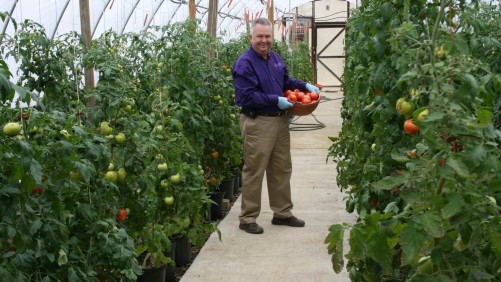
This Canadian-based greenhouse vegetable operation is now growing tomatoes in Ohio, allowing it to provide U.S. consumers with a locally produced, high-quality crop.
Effective management of digital information can give you a competitive advantage. Start with these five tips.
Gotham Greens, a controlled-environment producer of salad greens and herbs, will open its first greenhouse west of the Mississippi in Denver in 2020.
Micky Byland of N.G. Heimos Greenhouses has been awarded the Produce Marketing Association’s 2019 Floral Marketer of the Year Award.
Greenhouse Grower Editor Janeen Wright and Contributing Editor Allan Armitage discuss how labor and hemp are changing the game for the greenhouse industry.