



The Evolution of Field Trials at Mast Young Plants
 August 10, 2025
Mast Young Plants in Grand Rapids MI, is one of the many greenhouse growers across the country that conducts summer field trials. | Mast Young Plants
New varieties often shine at California Spring Trials (CAST), but their long-term potential is truly put to the test in field trials. It’s these real-world environments — at growing operations, universities, and other research sites — where performance, adaptability, and consistency are thoroughly evaluated.
Mast Young Plants in Grand Rapids, MI, which sells to many independent wholesale and retail growers through a broker network, is one of the many greenhouse operations nationwide conducting variety trials. What sets Mast Young Plants apart is its focus on more than just plant performance. These trials also consider the needs of the buyer — whether that’s another grower or the end consumer, helping to ensure the right plants reach the right markets.
“Our trials started out with more of a grower focus and were that way for many years,” says Brian Weesies, General Manager of Mast Young Plants, “But when you spend so much time in those trials and talk to broker sales reps and breeders, some of the questions they have start to sound more and more like homeowner questions.”
Over time, Weesies says his team was getting questions like, “How do you keep this looking so nice all summer?” and “How many plants do you put in a pot?”



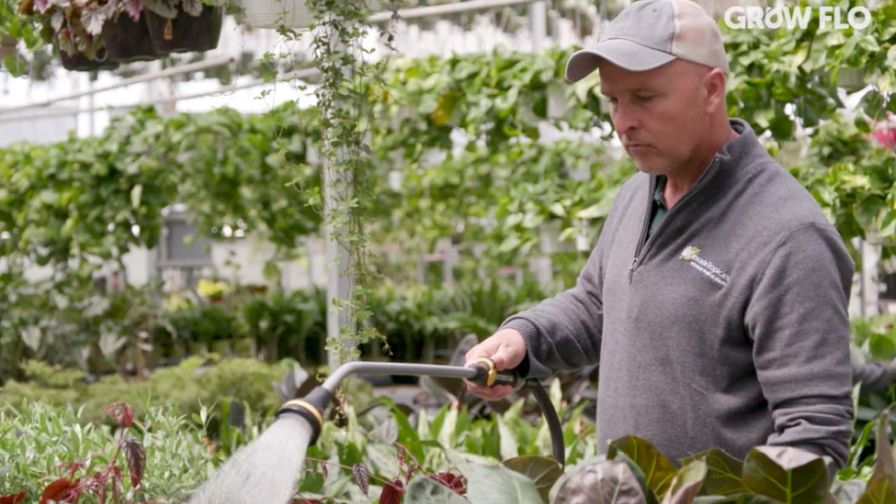
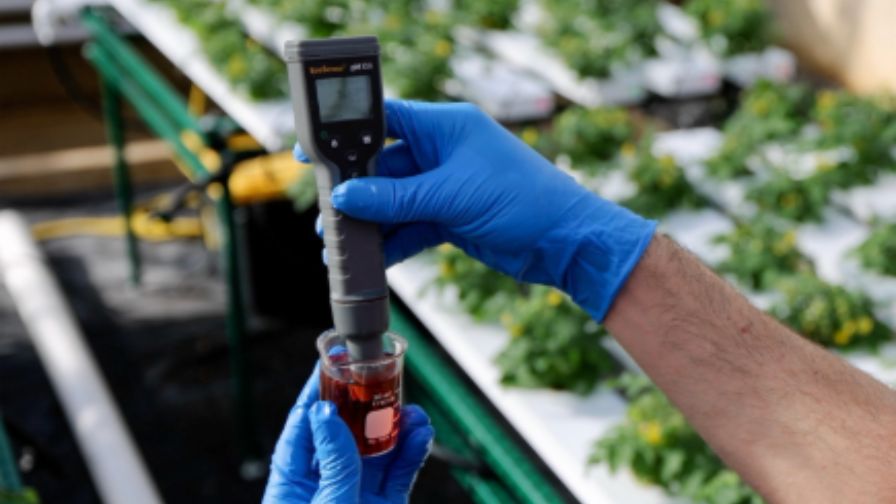

The trialing team at Mast Young Plants includes (left to right) Tara VanHouten, Brian Weesies, Michael DeBerti, Amber Staniulis, and Eric Pell. | Mast Young Plants
“Sales reps and breeders ultimately want answers to the same questions that homeowners ask at retail garden centers,” says Weesies. “The grower and consumer questions aren’t all that different when you think about it. They both want the same thing – customer success with the plants they purchased.”
Over the last 20 years, the grower and consumer trials have morphed into becoming one and the same. In fact, with the help of its retail partners, Mast Young Plants hosted its first-ever homeowner-specific event last year.
“It was so much fun to be a part of that, and I see it continuing into the future as long as our retailers are willing to help us promote the event to their own customers,” says Weesies.
You Asked, We Trialed
In 2024, Mast Young Plants designed two focused trials to address common questions it had been receiving from both growers and home gardeners. Branded as “You Asked, We Trialed,” these trials aimed to put popular concerns to the test in real-world growing conditions. The trials included:
Plants Per Pot Trial:
“We were asked how many plants were in the 14-inch pots that we use. People had the impression that we put extra plants in the garden pots to make the finished product look better,” Weesies says. “We honestly didn’t think that was true, but we did wonder how much difference we would see if we used three, four, or five plants. We always did five per pot (a square with one in the middle). The trial showed us that three works for a lot, four is good for all, and while five works, it might be too many for what we were trying to do.”
Fertilizer Trial:
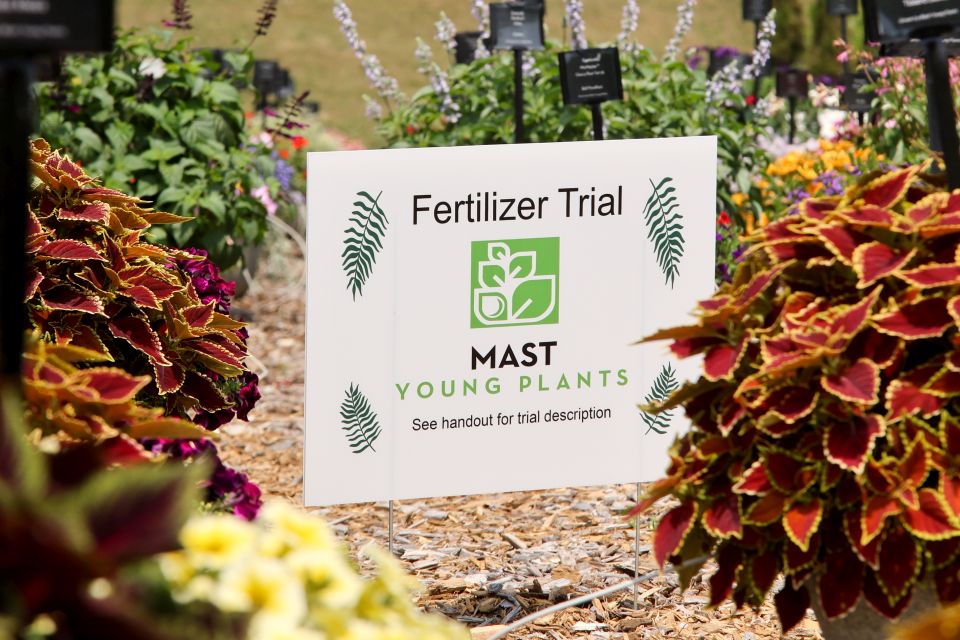
Mast Young Plants’ 2024 fertilizer trials, which are continuing this year, fed varieties such as Lantana ‘Shamrock Butterscotch Glow’ in a range of intervals. | Mast Young Plants
“People assume we are heavily feeding the plants, and that is why they look so good. While we do administer daily feed, we don’t feed heavily. In this trial, we grew one line with our standard feed of 150 ppm,” says Weesies. “We grew a second line with slow-release fertilizer incorporated in the soil and only watered with clear water (no liquid feed). We then grew a third line with no slow release and just clear water. The trial results demonstrated the benefits of regular fertilization. Additionally, we learned which plants can tolerate low feed the best: coleus and begonias.”
The fertilizer trial was one of the most popular trials Mast has ever run. It was popular among homeowners, growers, broker sales reps, and even breeders. This year, Mast expanded the trial, adding a treatment where the plants will receive clear water six days a week, followed by a single day of fertilizer application.
“The thought was that many homeowners feed their plants one time per week. We wanted to show people how much good/bad comes out of just feeding one day a week,” Weesies says. “We also added to our slow-release trial. Last year, we just had one treatment of slow release, which we felt ran out mid-summer. This year, we are doing a three- to four-month treatment and a five- to six-month treatment to see if we can see a difference. We are very excited to see the results of this trial.”
For its 2025 plant trials, Mast Young Plants has another new trial planned.
“We had a grower talk to us last summer about how they grow many urn liners for the cemetery. They were telling me that those plants often experience water stress,” says Weesies. “This grower asked if we had any experience with any commercial products that claim to help media retain moisture. From this conversation, we will run this trial with the brand Soil Moist. We will take one row of plants and water them how we always water our garden, and then grow a second duplicate row with Soil Moist, where we will give it reduced water all summer and see how the two compare in growth.”
Getting Closer to the Consumer
The trials at Mast Young Plants have played a key role in building strong relationships with the company’s retail customers — a crucial focus given the robust garden center market in Western Michigan. But the trials are just one part of a broader strategy to stay connected and responsive to customer needs. “Since these growers are local, they pick up their young plants from our facility throughout the planting season. This gives us a phone contact with them each week, alerting them of their schedule pick-up time,” Weesies says. “When they are here, the Mast Young Plants staff gets to know them, and it creates a quick touchpoint for how the season is going and how our plants are performing. Just the sheer number of times we see them builds the relationship.”
Weesies points out that the reverse is also true.

When it first started using LED lights, the team at Mast Young Plants was skeptical that they would help seed geranium flowering in the early spring. But in this photo, you can see the section in the back where LED lights led to significantly more flowers sooner. “We now light this seed geranium program with LEDs, which has allowed us to reduce crop time,” says Brian Weesies. | Mast Young Plants
“We love to see our ‘babies’ grown up at these retail locations, so we go out and visit,” he says. “This spring, a group from our office visited 16 of these retailers at the end of May and early June just to stop in and see how the season went and to touch base and say thanks for the business.”
Giving People What They Want
Mast Young Plants is always exploring new crops to meet evolving customer needs. In its 2026 catalog, the company is adding more tissue culture-started foliage varieties — a strategic move that reflects both logistical and market trends. “It can be hard to ship sensitive foliage plants from Florida up to Michigan in the winter, and we feel that by offering those to our customers, we give them a chance to receive foliage plants with their other deliveries,” says Weesies.
These additions are part of a broader effort to meet the needs of a new generation of gardeners, he explains. Not just with on-trend foliage, but also with varieties that are hardy and well-suited to their local growing conditions. “They’re looking for plants that can last long under the worst conditions, or as we call them, the ‘summer survivors’. As new gardening consumers enter the market, they may not know all the tricks their parents or grandparents did, so we want to make things as easy as possible for them,” says Weesies.
Brian Weesies began running trials many years ago while a grower at Mast Young Plants.
“I was trying to figure out which plant growth regulator I should use that would not impact flowering for the customer. Today, our company leadership sees the value of trials and eventually made it a full-time venture, and it’s become a big deal for our company,” Weesies says. “We believe to sell young plants, you’ve got to be able to tell the story of some of those varieties, and the best way to do that is to grow them and experience them, right next to your customers.”
Subscribe to eNewsletter