These standards are just the latest in a series of national standards designed to keep cannabis businesses operating safely, ethically, and responsibly.
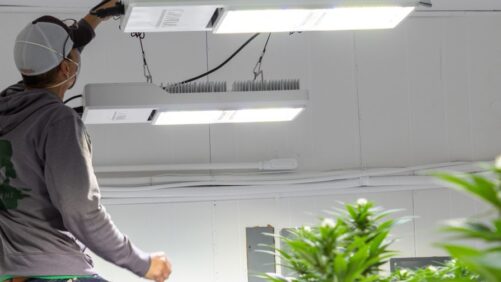
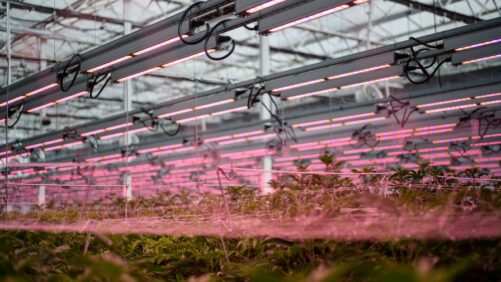
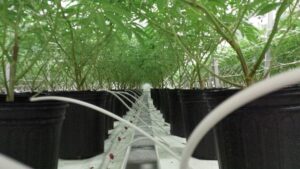
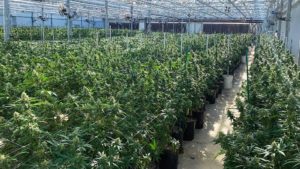
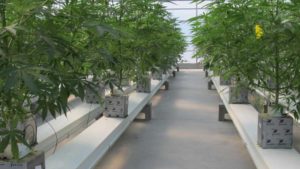
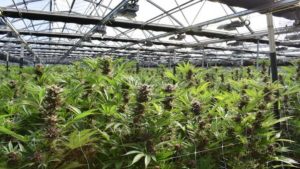
From lighting, growing media and structures to environmental management and pest control, growers need to be highly tuned to the needs of the crop to produce a high-quality product.
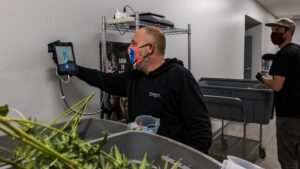
The cannabis operation will implement a full technology and workflow upgrade of its existing facility with greenhouse management solutions, enhanced cultivation practices, compliance upgrades, and computerized management services.
The Cannabis Energy & Environment Policy Primer offers insights on managing energy, water, and waste issues involved in cannabis cultivation operations.
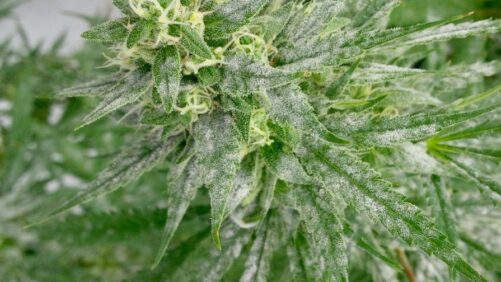
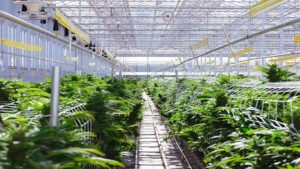
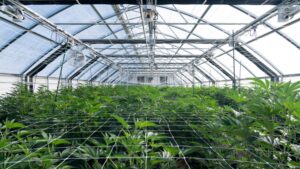
Humidity in a greenhouse is necessary, but controlling it is crucial to preventing plant stress and negative side effects like fungus, mold, or mildew.
Cavitation Technologies, Inc. has signed a pilot test agreement with Island Breeze Farms, a Southern California-based greenhouse cannabis grower with 130,000 square feet of production.