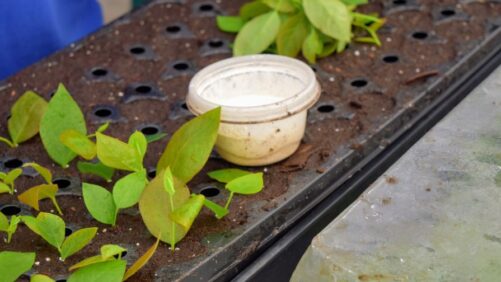
Growers must maintain a favorable propagation environment and implement cultural practices to promote root initiation and subsequent root growth and development.
Given the history of the poinsettia plant and its connection to the holiday season, federal agencies have taken an all-in approach to protecting this important crop.
Greenhouse growers that are new to the industry, or those that are interested in brushing up on their knowledge, can sign up for four courses in the Online College of Knowledge greenhouse series.
Many biostimulants include microbial or non-microbial components that promote plant growth by improving the efficiency of nutrient uptake, thereby reducing fertilizer application rates.
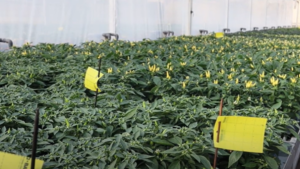
University of Florida researchers have found that adding pepper banker plants near roses helped establish higher predatory mite populations that eventually target chilli thrips.
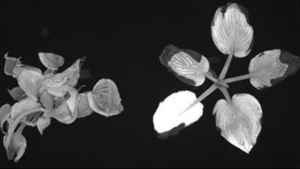
Two American Floral Endowment-funded research projects are investigating new ways to detect and reduce plant stress from abiotic pressures and diseases before they happen.
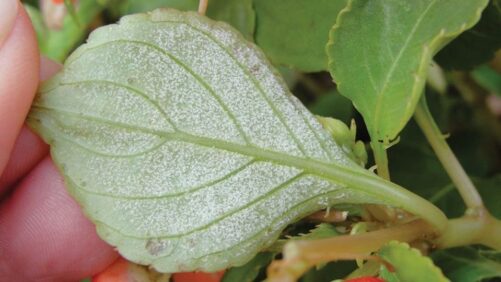
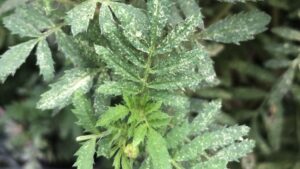
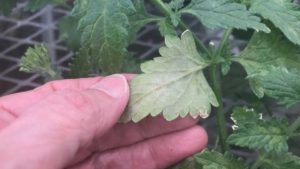
Correct identification of mite species or life stages is critical, as many biological control agents and miticides target specific species and life stages.