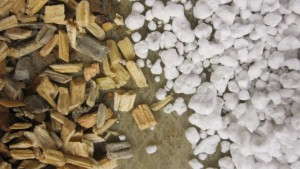
The Acme Group recently announced its new line of recyclable Agrifabrics and plant plug substrate, PlugEase. The products make recycling affordable for greenhouse growers, farmers and horticulturalists.
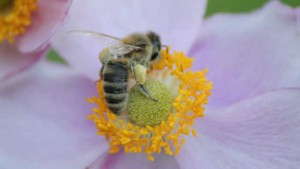
Bee death and colony collapse have been in the headlines of the mainstream media as well as the horticulture and agriculture industries. There have been many theories about what has caused these problems, and the latest debate involves neonicotinoid insecticides. Please take our poll and tell us how you feel about this issue.
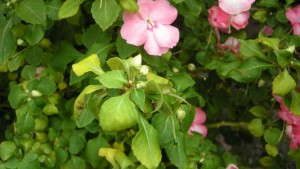
A recent study has determined the effectiveness of OxiPhos and ZeroTol 2.0 in controlling impatiens downy mildew.
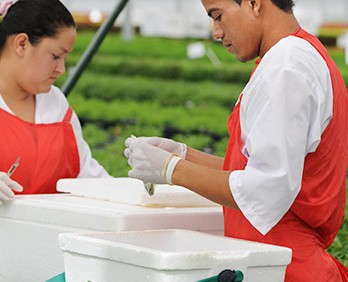
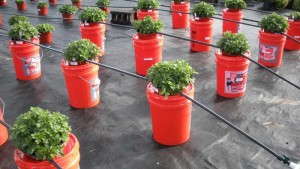
Emerald Coast Growers has constructed a new, consolidated soil mixing facility to increase efficiency and allow for easier custom blending by crop.
Growers who have received Red Fox brand petunia cuttings from the Dümmen Group’s Las Mercedes, El Salvador stock plant facility should inspect unrooted petunia cuttings and plants for any symptoms of tobacco mosaic virus (TMV).
Here is the advice Dümmen shared with its customers on scouting and preventative measures for dealing with TMV on petunia.
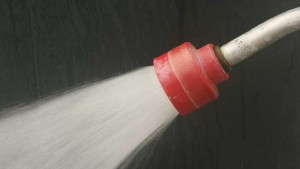
BioSafe Systems has introduced HOLDit, an effective, easy-to-use adjuvant that reduces drift risk and maximizes pesticide performance.
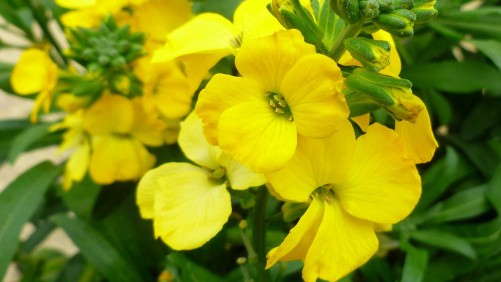
Demand for perennials has increased as consumers educate themselves and seek out new and improved varieties. Overwintering perennials can become an important profit center. Here’s some advice on how to overwinter successfully.
Co-owner Maria Kreidermacher explains how biocontrols became a necessity, what growers should look for in suppliers and how to go about assimilating them into application methods.
Keep your plants healthy and protect them from pathogens with these fungicides, bactericides and herbicides.
BioSafe Systems announced that AzaGuard is now labeled for hydroponic applications. The hydroponic application would control the immature stages of foliar and soil-borne insects in hydroponic systems. It is helpful for growers who are looking for a way to effectively treat larvae and nymphs in the water.
Avoid a buildup of soluble salts and create an environment most conducive to nutrient uptake with these three common media testing methods.
Microbial fungicides’ active ingredients are biological organisms, in this case, different types of bacteria that utilize various modes of action to prevent and control foliar plant diseases.