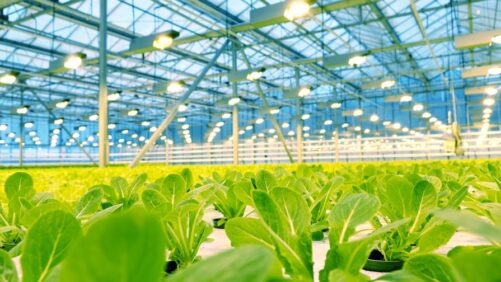
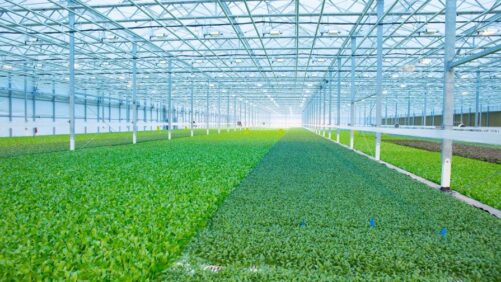
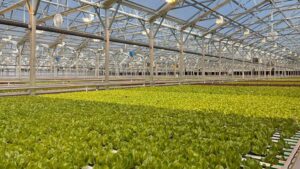
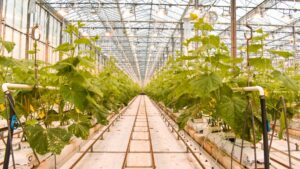
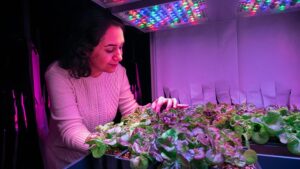
According to one lighting company, since LEDs produce less radiant heat, growers can apply much higher levels of light, achieving high yields without stressing the plants.
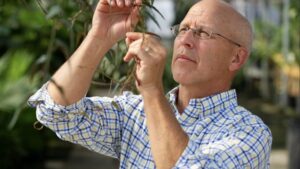
Steve Bogash, Territory Business Manager with Pro Farm Group, says it’s important to scout any plant you bring in to make sure you’re not inviting a problem.
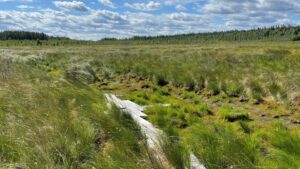
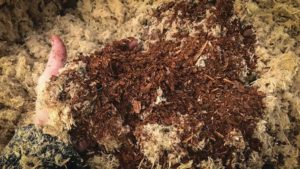
In a market that is unpredictable and swayed by the weather, the Canadian Sphagnum Peat Moss Association says to keep in touch with suppliers for updates.
The Resource Innovation Institute and FarmTech Society are joining forces to drive energy and water data collection and analysis, with the goal of advancing climate-smart indoor growing practices.
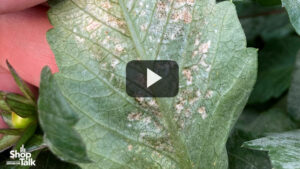
Fusarium spores and hyphae can survive on contaminated tools, benches, pots, trays, and in soil, and when it comes to control measures, it’s important to accurately ID plant diseases.
In a recent webinar, Dr. Brian Jackson of North Carolina State University (NCSU) offered the latest updates on media components, new materials, and how growers can select the right media.
“I am grateful for all we’ve accomplished in the past 25 years, and I’m excited for the next 25 years,” says Lauren Crane, President and CEO of BioSafe Systems.